



Understanding the Risks: More Than Just Water
Rainy conditions are a leading cause of weather-related vehicle accidents. [17] The danger isn't just the water itself, but how it interacts with the road and your vehicle. When rain first begins, it mixes with oil and grime on the pavement, creating
an unexpectedly slick surface that significantly reduces tire traction. [5, 17] This loss of grip makes it harder to steer and brake, increasing stopping distances. [13, 26] Furthermore, heavy rain severely limits visibility for all drivers on the road. [5, 7] Many drivers underestimate these combined hazards, treating a wet road with less caution than they would snow or ice, which contributes to a higher rate of accidents. [17]
The Threat of Hydroplaning
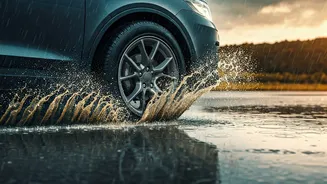
One of the most frightening experiences on a wet highway is hydroplaning, also known as aquaplaning. [2] This occurs when a layer of water builds up between your tires and the road surface, causing the tires to lose contact and skim across the water like a water ski. [9, 11, 15] This results in a temporary but total loss of steering and braking control. [4] Hydroplaning can happen at speeds as low as 55 km/h (about 35 mph) and in water as shallow as one-tenth of an inch. [2, 14] If you feel the steering become suddenly light or unresponsive, you may be hydroplaning. [4, 8] The correct response is crucial: do not slam on the brakes or jerk the steering wheel. Instead, ease your foot off the accelerator to let the car slow down naturally until you feel the tires regain their grip on the road. [4, 6, 24] Steer gently in the direction you want to go. [4, 6]
Before You Drive: A Pre-Monsoon Check
Safety on wet roads begins before you even turn the key. A pre-monsoon vehicle check is essential. First, inspect your tires. They are your only connection to the road. Ensure they have adequate tread depth—at least 2-3 mm is recommended to effectively channel water away and prevent hydroplaning. [20, 21, 26] Also, check that your tires are inflated to the manufacturer's recommended pressure. [19] Second, test your windshield wipers and replace them if they leave streaks. [12, 18] Top up your windshield washer fluid, perhaps adding a cleaning solution to help cut through road grime. [12, 29] Finally, confirm all your lights—headlights, taillights, and indicators—are working correctly. [16, 19] Clean lights are brighter and make you more visible to others in low-visibility conditions. [16]
Adapting Your Driving: Speed, Space, and Awareness
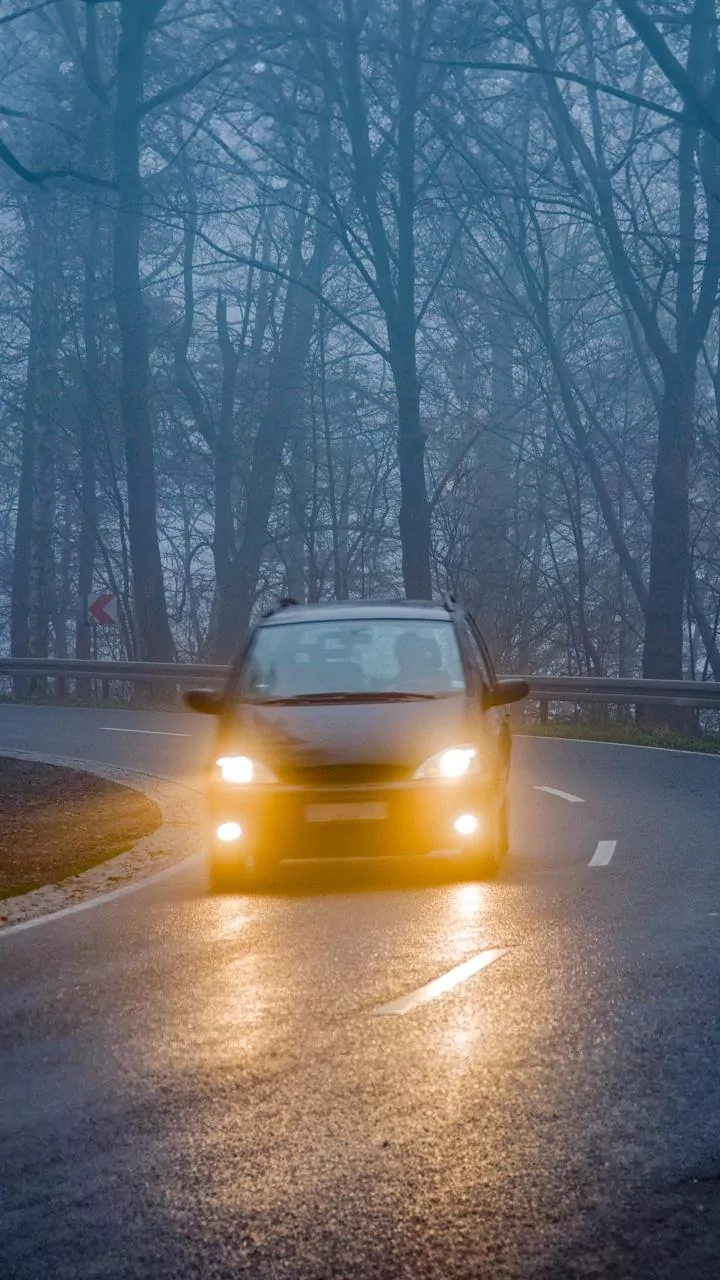
The single most important adjustment you can make when driving in the rain is to slow down. [13, 18, 20] Reducing your speed gives your tires a better chance to maintain contact with the pavement and gives you more time to react. [13] You should also significantly increase your following distance. While a three-second gap is standard in dry weather, you should double it to at least four to six seconds in the rain to account for longer braking distances. [10, 13, 23] Turn on your low-beam headlights, even during the day, to increase your visibility to other drivers. [20, 27] Avoid using high beams, which can reflect off the rain and create glare for oncoming traffic. [20] It's also wise to turn off cruise control; you need to be in complete manual control of your speed to respond to changing traction instantly. [6, 18]
Navigating Puddles and Poor Visibility
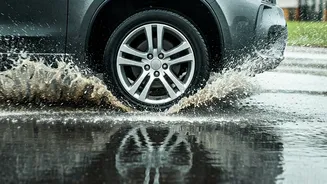
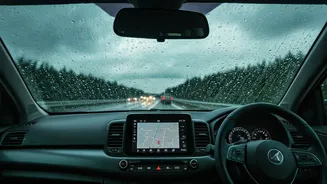
Standing water on the road poses a triple threat: it can hide deep potholes, cause you to hydroplane, or even stall your engine if it's deep enough. [5, 7] Whenever possible, steer around puddles and avoid the outer lanes where water tends to collect. [2, 15, 28] If you cannot avoid driving through water, slow down significantly before you enter it. [17] If visibility becomes so poor that you can no longer see the edges of the road or other vehicles at a safe distance, the safest action is to pull over. Find a safe spot well off the road, turn on your hazard lights, and wait for the downpour to lessen. [28] To prevent your windows from fogging up from the inside due to humidity, use your car's defogger or air conditioning system. [7, 19]