






What is Australia's Digital Declaration?
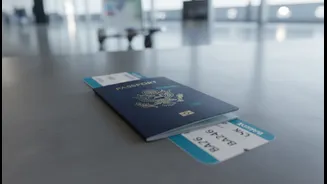
Australia is replacing its traditional paper-based Incoming Passenger Card with a digital equivalent called the Australia Travel Declaration (ATD). Instead of filling out the orange paper form handed out on the plane, travellers can now submit all their
customs, biosecurity, and personal information online before they land. This system collects the same details but in a digital format, accessible via a web form and, in the future, through airline apps. The process began with a successful pilot program on select Qantas flights starting in October 2024, involving over 450,000 passengers. The government has now committed to a full national rollout across all international airports and seaports over the next 12 to 18 months, backed by a significant funding package. For the many Indian students, tourists, and professionals who travel to Australia each year, this marks a significant shift towards a more modern arrival experience.
How the System Works
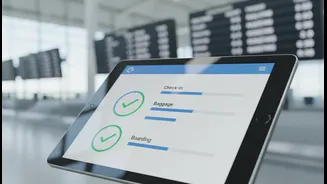
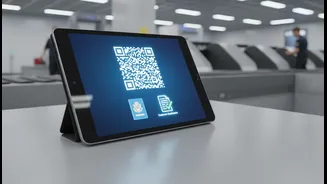
The process is designed for simplicity. Travellers can complete the declaration within 72 hours of their flight to Australia. Initially available via a web form, the system allows passengers to enter their personal details, flight information, and answer the standard questions about what they are bringing into the country. Once submitted, the traveller receives a digital pass with a QR code via email from the Department of Home Affairs. Upon arrival, this QR code is scanned by Australian Border Force officials, replacing the need to hand over a physical card. This allows border agencies to receive and assess passenger information even before the flight lands, which is a key advantage over the old paper system. While the digital system is being phased in, paper cards will still be available for those who cannot or choose not to use the digital option.
The Benefits of Going Digital
The primary advantage for travellers is speed. Completing the form before you land means less time spent in queues at the immigration counter. There is no more fumbling for a pen or trying to write on a shaky tray table. For border agencies, the benefits are even greater. Digital data is more accurate than handwriting and allows for faster, more effective risk assessments for both biosecurity and security purposes. This pre-arrival screening allows officials to identify potential issues early, leading to a safer and more secure border. Ultimately, it streamlines the entire arrival process, helping airports manage passenger flow more efficiently, especially during peak times.
How Does This Compare to India's System?
Indian travellers may find this concept familiar. India has also used a digital portal, Air Suvidha, to manage international arrivals, particularly for health declarations. Most recently, Air Suvidha 2.0 was made mandatory for all international passengers from June 25, 2026, as a precautionary measure in response to a global health alert. Like the Australian system, Air Suvidha requires travellers—including returning Indian citizens and foreign nationals—to submit their details online before their journey. The key difference is in the primary purpose. While Australia's ATD is a permanent replacement for the customs and immigration card, India's Air Suvidha has typically been deployed as a health surveillance tool in response to specific global health events, such as the COVID-19 pandemic and the more recent Ebola outbreak alert. Australia's system is focused on border management modernisation, while Air Suvidha is a public health tool.
Lessons for the Future of Travel
Australia’s move is part of a global trend. Countries like the US, Canada, the UK, and nations in the European Union are all implementing various forms of digital travel authorisations and arrival systems. These systems are more than just digital forms; they represent a shift towards pre-border compliance, where checks are done before a passenger even arrives. For travellers, this means that accuracy and preparation are more important than ever. The lessons from Australia's rollout are clear: digital declarations are becoming the norm. For India, which has already proven its capability with platforms like Air Suvidha, a permanent, integrated digital arrival system for all customs and immigration purposes could be the next logical step. Such a system could further streamline arrivals, enhance security, and solidify India's position as a modern, digitally-enabled travel hub.