



What is Edible Yield?
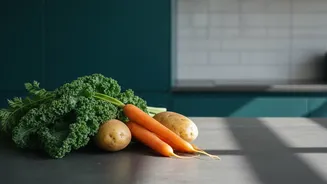
At its core, edible yield is the amount of a food product that you can actually eat or use after it has been prepared. This means after you've removed all the inedible or undesirable parts, such as peels, seeds, bones, skin, and stems. When you buy one kilogram
of whole carrots, you are paying for the 'as purchased' (AP) weight. But after you peel them and chop off the tops, the remaining 'edible portion' (EP) might only be 800 grams. That 200-gram difference is the trim loss, and understanding this gap is key to knowing the true cost of your food.
The Hidden Cost Calculation
Food retailers and restaurants are masters of calculating yield. They don't just price items based on the initial weight; they factor in the labour required for preparation and the amount of product that will be discarded. The final price of that convenient, ready-to-use item reflects not just the food itself, but the cost of turning the 'as purchased' item into the 'edible portion'. The formula is simple: the true cost of an ingredient is the purchase price divided by its yield percentage. So, if an item has a low yield, its true cost per gram is significantly higher than what the initial price tag suggests.
The Pomegranate vs. Banana Test
Let's compare two common fruits: pomegranates (anar) and bananas. A pomegranate has a very low edible yield. After you battle with the tough outer skin and separate the juicy arils from the bitter white pith, you're left with only about 45-50% of the original weight in edible seeds. A banana, on the other hand, has a much higher yield. Once you remove the peel, you have around 65-70% of the fruit left to eat. So, even if they were priced the same per kilogram, the actual cost of the edible part of the pomegranate would be substantially higher because you're throwing away more than half of what you paid for.
The Chicken Conundrum: Whole vs. Boneless
This principle is very clear in the meat section. A whole chicken is always cheaper per kilogram than pre-cut, boneless pieces. It might seem like a huge price jump, but it’s all about the yield. A whole chicken contains bones, skin, and other parts you might not use, resulting in an edible meat yield of around 70-75%. When you buy boneless, skinless chicken breasts, you are getting a product with a nearly 100% edible yield. The higher price accounts for the butcher's labour and the weight of the bones and skin that have already been removed. You're paying for convenience and a product that is entirely usable.
Leafy Greens and Tough Vegetables
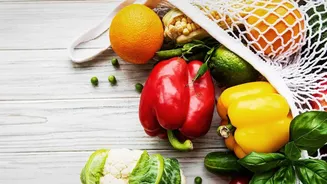
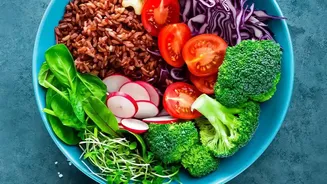
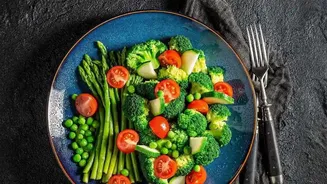
The same logic applies to vegetables. Think of a bunch of spinach (palak). The 'as purchased' weight includes thick, tough stems and roots that are often discarded. The yield for trimmed spinach leaves can be as low as 72%. Similarly, vegetables like broccoli and cauliflower have a lower yield if you only use the florets, which can be around 50% of the total weight. Even something as simple as peeling potatoes can result in a 15-20% loss of weight. This is why peeled potatoes or pre-cut florets always come at a premium; you are paying for someone else to handle the waste.
Making Smarter Shopping Choices
Understanding edible yield doesn't mean you should always buy the 'as purchased' version. It's about making an informed decision that balances cost and convenience. If you are short on time, paying extra for pre-cut pineapple with its 100% yield might be worth it, considering a whole pineapple has a low yield of around 40-50% and requires significant effort to prepare. However, if you're on a budget and have the time, buying whole products and preparing them yourself will almost always be more economical. You can also get more value by using the 'waste' products, like making a stock from chicken bones or vegetable scraps.