


The Allure of Pre-Packaged Perfection
The modern Indian household is busier than ever. Juggling demanding careers, family commitments, and personal time, the daily question of 'What's for dinner?' can feel like a chore. Enter commercial meal prep services, which have surged in popularity
by promising a perfect solution: convenient, portion-controlled, and seemingly healthy meals delivered right to your doorstep. The appeal is undeniable. They eliminate the need for meal planning, grocery shopping, and the mental load of deciding what to cook. For many, it feels like buying back precious time in a packed week. The promise is a balanced diet without the daily grind of chopping vegetables and washing up. But is this convenience coming at a hidden cost?
The Drawbacks of Dining from a Box
While meal kits offer convenience, they aren't without their downsides. The cost is often significantly higher than buying ingredients yourself. Then there is the environmental aspect; each ingredient often comes individually wrapped in plastic, contributing to a mountain of packaging waste. Furthermore, the 'healthy' label can sometimes be misleading. Many pre-made sauces and marinades can contain high levels of sodium, preservatives, and hidden sugars to ensure flavour and shelf life. Perhaps most importantly, relying on these services can create a disconnect from our food. It turns cooking from a creative, nurturing act into a simple task of assembly, potentially stunting the development of valuable kitchen skills.
Returning to Our Roots: The Heritage Kitchen
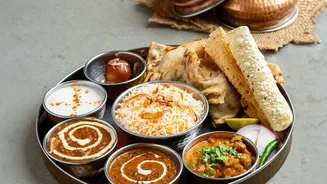
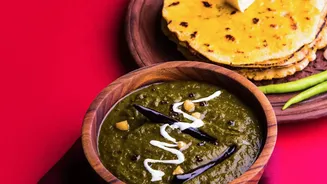
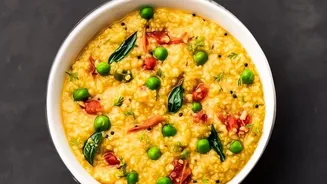
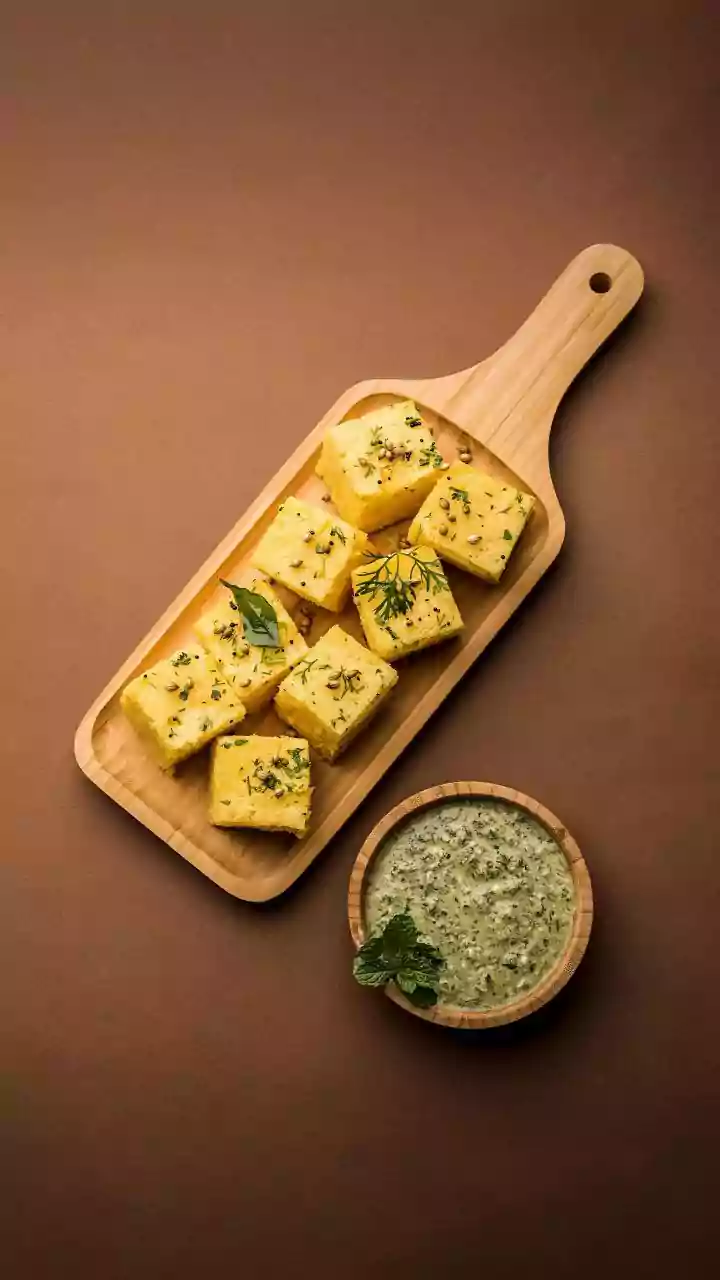
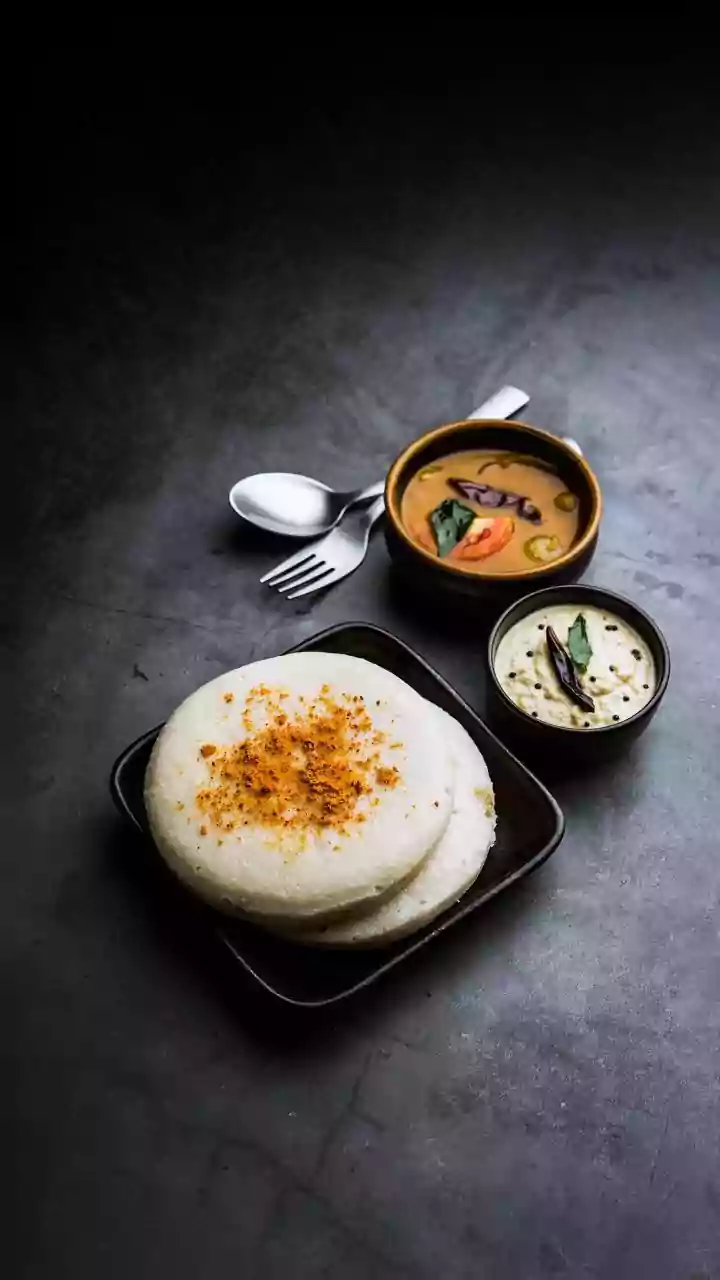
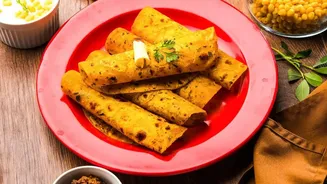
The alternative isn't about spending hours in the kitchen every night. It’s about looking backward to move forward. Heritage family dishes—the dals, curries, sabzis, and rotis passed down through generations—are the original meal prep. These recipes were designed for nourishment and practicality, using whole ingredients and time-tested cooking methods. They are naturally rich in fibre, plant-based proteins, and essential nutrients. Think of a large pot of rajma or chana masala made on a Sunday. This isn't just one meal; it's the foundation for several healthy and delicious meals throughout the week, ready to be paired with fresh rotis or rice.
Wholesome Ingredients, Honest Flavours
When you cook a family recipe from scratch, you have complete control over what goes into your food. You choose the quality of the ingredients, you control the amount of salt and oil, and you know there are no artificial additives or preservatives. Traditional Indian cooking, with its emphasis on spices like turmeric, ginger, and garlic, is not just about flavour but also about functional, health-boosting properties. These dishes are inherently nutrient-dense, built on a foundation of lentils, legumes, seasonal vegetables, and whole grains. This approach provides a level of wholesomeness that a commercially prepared meal, designed for mass production and a long supply chain, often struggles to match.
More Than a Meal: A Connection to Culture
Recreating a dish from your grandmother's kitchen is about more than just sustenance; it’s a powerful act of connection. It’s about preserving a piece of your family's story and cultural identity. These recipes carry memories of festive occasions, family gatherings, and the simple comfort of a home-cooked meal. Involving children in the process of making these dishes—even in small ways—passes on invaluable life skills and creates a new generation of family memories. It transforms mealtime from a transactional experience into a moment of bonding and tradition.
Making Heritage Cooking Work in Modern Life
Adopting this approach doesn't require a complete lifestyle overhaul. It's about smart adaptation. Dedicate a few hours on the weekend to do your 'heritage meal prep'. Cook a large batch of a favourite dal or curry that can be stored and used for two or three meals. Chop onions, ginger, and garlic to have your base ready for quick stir-fries. Make and freeze a batch of parathas. These simple steps, much like modern meal prep, save immense time during busy weeknights. The key is to see these traditional dishes not as complex projects but as versatile, batch-cook_friendly staples that fit perfectly into a contemporary schedule.