
The Challenge of a Veiled World
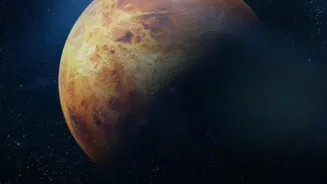
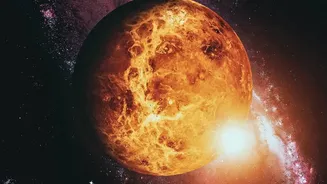
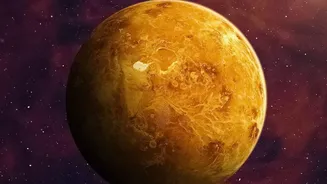
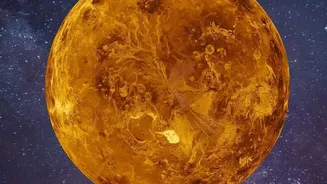
Looking at Venus is like trying to see through a permanent, planet-wide curtain. Its atmosphere, composed mainly of carbon dioxide with clouds of sulfuric acid, is about 90 times denser than Earth's. This makes direct visual observation of the surface
from orbit impossible. The extreme heat, with surface temperatures hot enough to melt lead, and crushing pressure present immense challenges for any landing probe. Because of this hostile environment, scientists have had to develop clever, indirect methods to hunt for one of the most exciting signs of a geologically alive planet: active volcanoes.
Sniffing for Chemical Fingerprints
If you can't see a volcano, the next best thing is to 'smell' it. Volcanic eruptions on Earth release vast quantities of gases into the atmosphere, and the same is expected on Venus. The primary chemical a payload sensor looks for is sulfur dioxide (SO2). On Earth, SO2 is quickly washed out of the atmosphere, but on Venus, its presence in large, fluctuating amounts in the upper clouds could be a tell-tale sign of a recent eruption from below. A sudden spike in SO2 could indicate a plume has recently been injected into the atmosphere, giving scientists a smoking gun to point to.
Spectrometers: The Eyes That See Gas
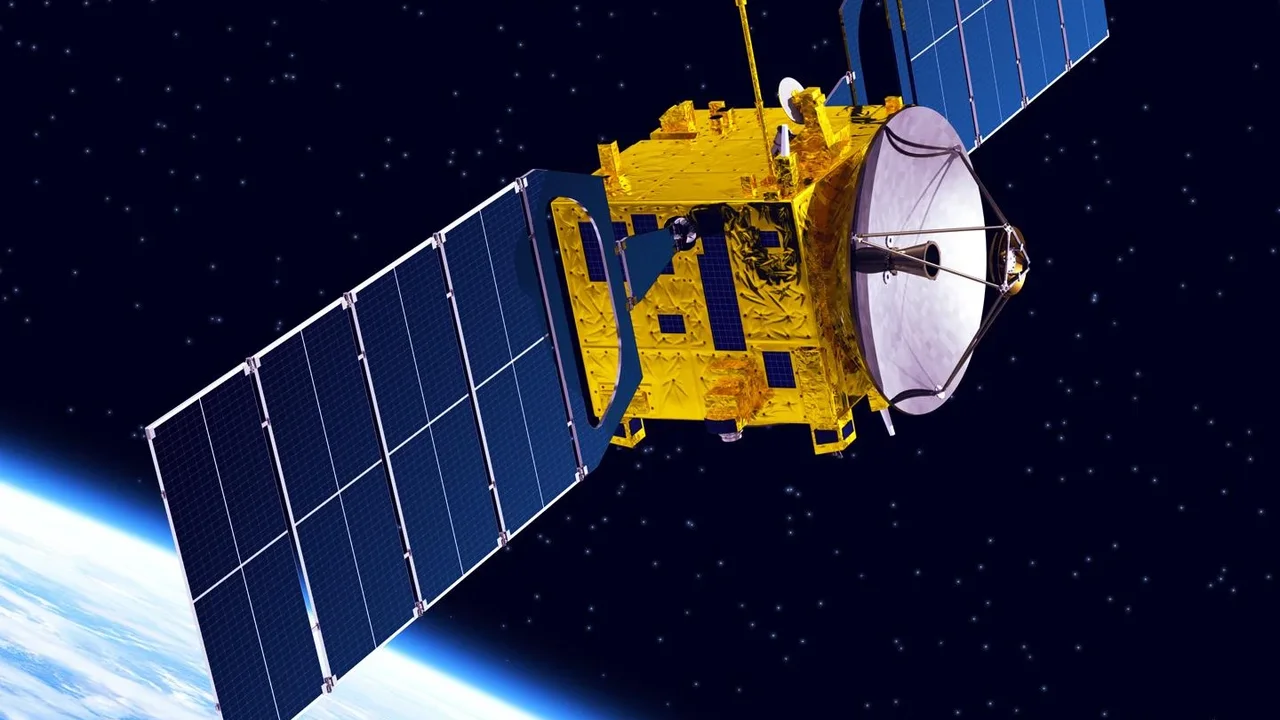
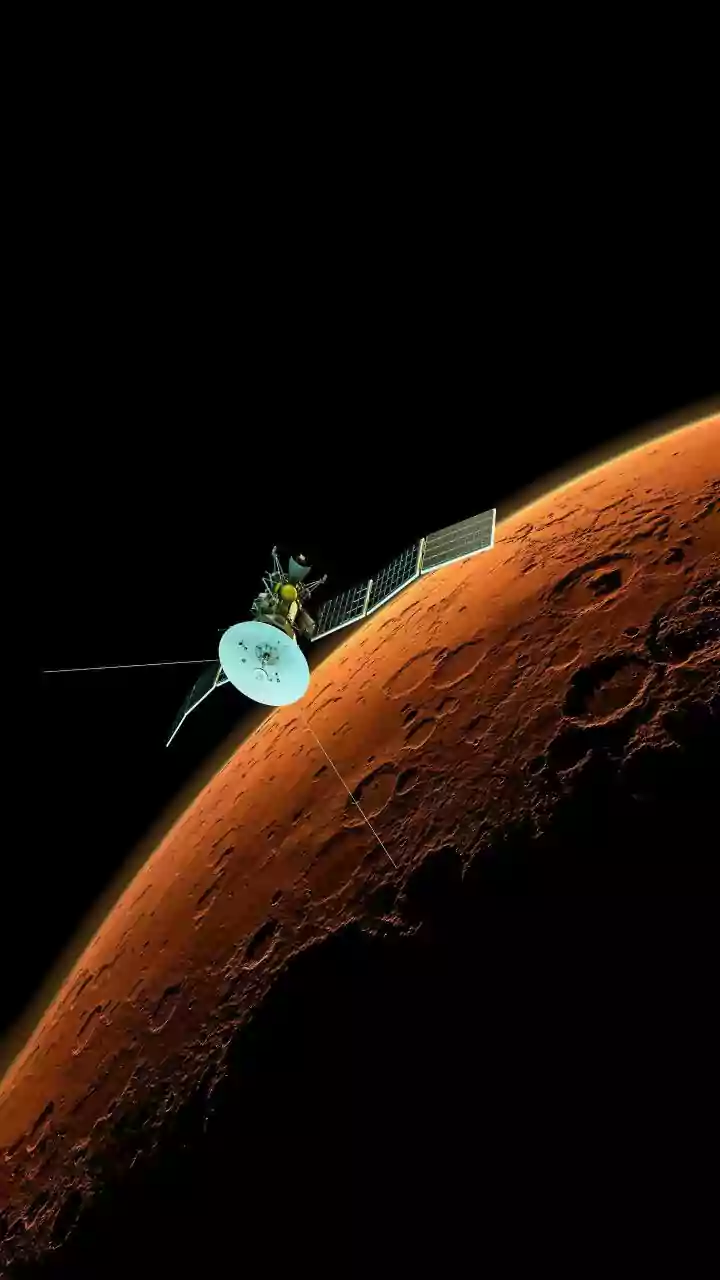
The primary tools for this atmospheric detective work are spectrometers. These instruments don't take pictures in the traditional sense. Instead, they analyse light. As sunlight passes through or reflects off Venus's atmosphere, different gas molecules absorb specific wavelengths of that light. An ultraviolet (UV) or infrared spectrometer on an orbiting spacecraft can detect these missing slivers of light, creating a chemical fingerprint that reveals the composition of the atmosphere. By mapping the concentration of gases like SO2, scientists can identify localised plumes and track their movement, which could correspond to an active volcanic source on the ground.
Radar and Heat: Piecing Together the Puzzle
Chemical analysis is just one part of the story. To confirm a volcanic event, scientists combine atmospheric data with surface observations. This is where Synthetic Aperture Radar (SAR) comes in. Radar can penetrate the thick clouds to map the surface, and by comparing images taken at different times, researchers can spot changes. For instance, analysis of old data from the Magellan mission has revealed surface areas that changed shape and brightness, consistent with new lava flows. In addition, infrared sensors can detect 'hot spots' on the surface — localised areas that are significantly warmer than their surroundings, which could be fresh, cooling lava.
Future Missions and India's Role
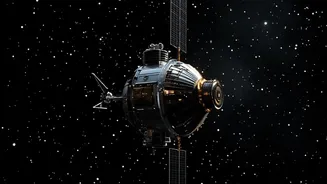
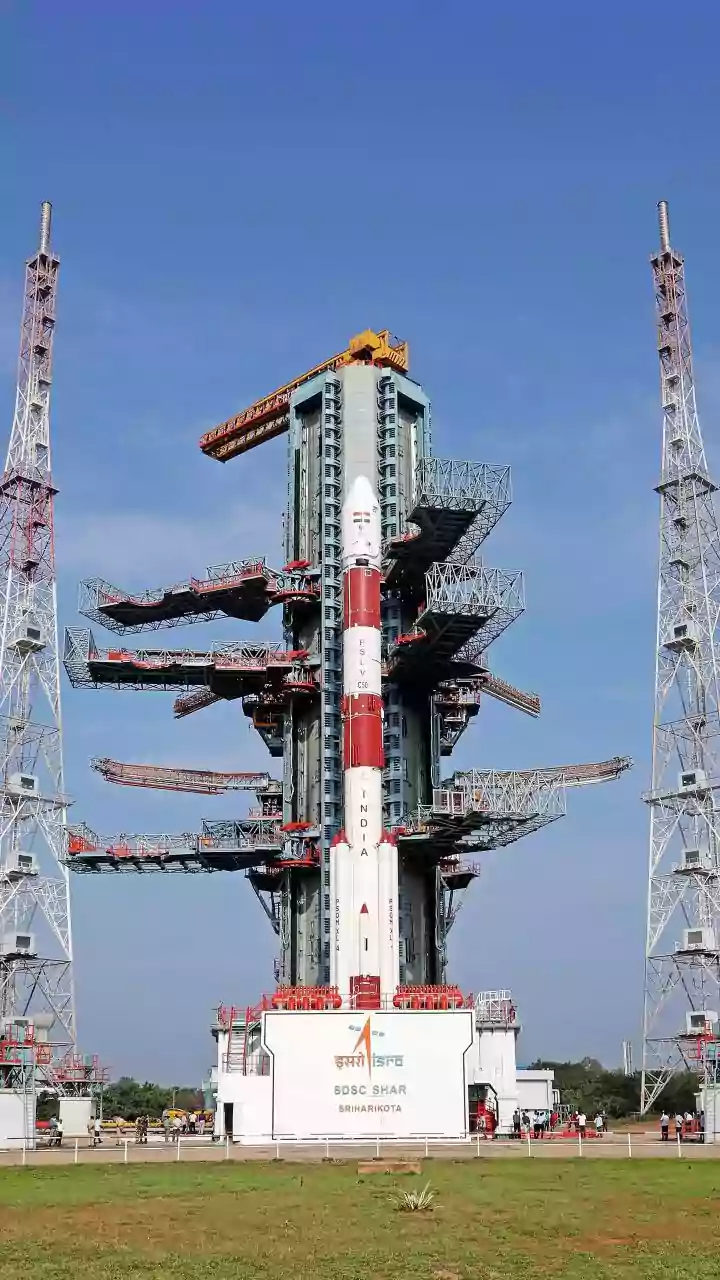
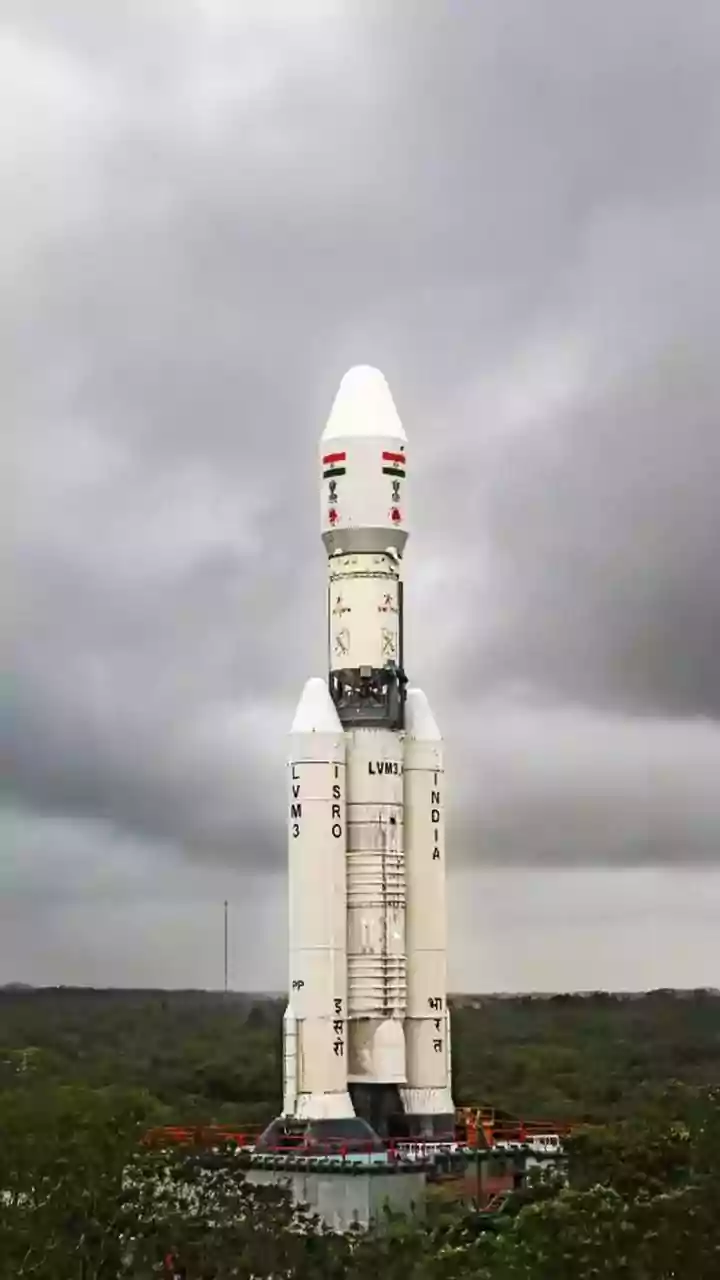
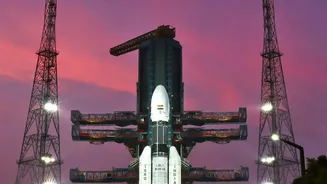
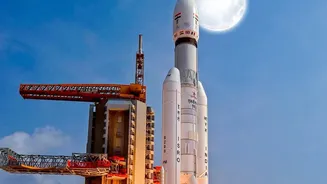
The hunt for active Venusian volcanoes is about to get a major boost. A fleet of new missions is planned, including NASA's VERITAS and DAVINCI and ESA's EnVision. These missions will carry advanced, high-resolution radar and spectrometer suites designed specifically to look for the signs of active volcanism. Excitingly, India is also poised to join this international effort. ISRO's proposed Shukrayaan-1 orbiter is planned to carry instruments including a high-resolution SAR and ground-penetrating radar to study Venus's volcanic activity and subsurface. These missions will provide unprecedented detail, helping to finally confirm how geologically active Earth's twin truly is.