






What is Cashback, Really?
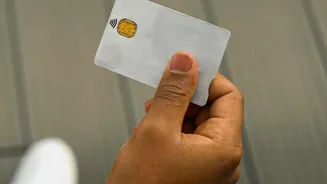
Think of cashback as a simple rebate. For every eligible purchase you make with your credit card, the bank gives you a small percentage of that money back. This is not a complex system of points that you need to save and convert; it's direct monetary
value. The amount is usually credited back to your card statement, effectively reducing your bill, or sometimes deposited into your account. For a first-time cardholder, its simplicity is its biggest advantage. You spend money you were already going to spend, and you get a little bit of it back. No complicated maths, no redemption portals, just straightforward savings.
First, Understand Your Own Spending
Before you chase after a card promising high cashback, take a moment to look at your own lifestyle. The best credit card is one that aligns with your actual spending habits. Are you ordering from Swiggy and Zomato often? Do you spend a significant amount on fuel for your commute? Or is most of your discretionary spending on online shopping portals like Amazon and Flipkart? Track your expenses for a month. Once you know where your money is going, you can choose a card that offers accelerated rewards in those specific categories. A card that gives 5% back on dining is useless if you rarely eat out, while a card with 5% on utility bills could be a consistent winner.
The Golden Rule: Always Pay Your Bill in Full
This is the most important rule of using a credit card, especially when chasing rewards. The interest charged on an unpaid credit card balance is incredibly high, often between 36% and 45% annually. Any cashback you earn, which is typically between 1% and 5%, will be instantly wiped out by interest charges if you carry a balance from one month to the next. Paying only the 'minimum amount due' is a trap; it keeps your account active but allows massive interest to build on the remaining 95% of your bill. To truly benefit from cashback, think of your credit card as a convenience tool for payments, not as extra money. Always aim to pay your total amount due before the deadline. Setting up an auto-debit from your bank account is a great way to ensure you never miss a payment.
Simple Strategies to Maximise Your Cashback
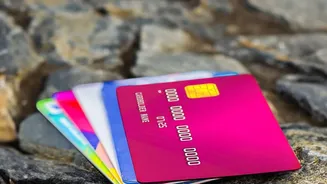
Once you have the right card and have committed to paying your bill in full, you can start maximising your returns. The key is to use your card for planned expenses—the things you would buy anyway. Co-branded cards can be very effective here; for instance, an Amazon Pay ICICI card gives Prime members 5% back on Amazon purchases, which is a significant saving for frequent shoppers. Similarly, cards like the SBI Cashback Card offer a flat 5% on almost all online spending. Be aware of monthly caps on cashback. Many cards limit the maximum cashback you can earn in a specific category per month, for example, '5% cashback up to ₹500'. Once you hit that limit, any further spending in that category will earn a much lower rate. Finally, look out for sign-up bonuses, which can provide a great initial boost if you meet a certain spending threshold in the first few months.
Beware of Common Traps and Pitfalls
While cashback is a great perk, it's designed to encourage you to spend. The biggest mistake is overspending just to earn a few extra rupees in rewards; this defeats the entire purpose. Also, be mindful of annual fees. Some cards with high rewards carry an annual fee, which may only be worth it if your spending habits generate enough cashback to offset the cost. Many cards waive this fee if you spend a certain amount in a year. Another major pitfall to avoid is using your credit card for cash withdrawals. These transactions typically don't earn rewards and start accruing high interest from the very first day, with no grace period, in addition to a withdrawal fee. Lastly, always review your monthly statement to track your spending, check your rewards, and spot any errors.