






From Passive Claims to Active Proof
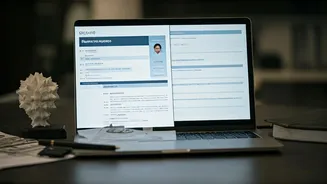
A resume is a list of claims. It says you have skills in project management, data analysis, or graphic design. But for a hiring manager sifting through hundreds of similar documents, these are just words on a page. A project, however, is tangible proof.
It’s a functioning app, a detailed marketing campaign analysis, a portfolio of design work, or a well-researched article. [6] It transforms your claimed skills into demonstrated abilities. [7] While a resume *tells* a potential employer what you can do, a project *shows* them. [6, 19] This shift from passive assertion to active demonstration is crucial in a competitive landscape where employers are looking for candidates who can make an immediate impact.
Bypassing the Digital Gatekeepers
Before your resume even reaches a human, it likely has to pass through an Applicant Tracking System (ATS). [21] These systems scan for specific keywords and formatting, often filtering out qualified candidates for minor discrepancies. [22, 25] A staggering 75% of resumes can be rejected by these bots before a recruiter ever sees them. [22] However, a compelling project hosted on a personal website, GitHub, or a professional portfolio gives you a direct line to the hiring manager. [8] By including a link to your work in your application, you provide an alternative path for engagement. [2, 3] A recruiter intrigued by a project title is more likely to click the link, bypassing the ATS filter entirely and getting a much richer sense of your capabilities than a standard resume could ever provide. It gives them a reason to pull your application from the pile.
What Makes a Project 'Good'?
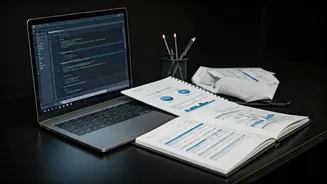
Not all projects are created equal. To be effective, a project should be relevant to the job you’re targeting. [4] A ‘good’ project doesn’t need to be a massive, complex undertaking. It needs to solve a problem, demonstrate specific skills, and be presented clearly. For a software developer, this could be a small app that solves a personal problem or a contribution to an open-source project. [8, 18] For a marketer, it might be creating a speculative social media strategy for a brand they admire. For a writer, a well-researched blog post on an industry trend is a great project. The key is to document your process. Explain the problem you aimed to solve, the steps you took, the tools you used, and the final outcome—ideally with quantifiable results. [5, 8] This shows not just technical skill, but also critical thinking and a results-oriented mindset. [3, 13]
Strategically Showcasing Your Work
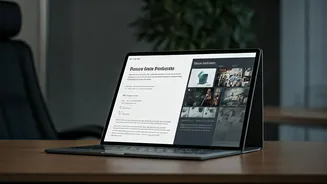
Once you have a project, you need to make sure employers see it. Don't just bury a link at the bottom of your resume. Create a dedicated “Projects” section where you can briefly describe the work, your role, and the impact it had. [1, 2, 5] Use strong action verbs just as you would for a job role: "developed," "managed," "designed," or "analysed." [3] Your LinkedIn profile is another prime location to feature your work, allowing for a more visual and descriptive presentation. If you have multiple projects, consider creating a simple online portfolio. [19] This serves as a central hub for your best work and makes it easy for hiring managers to explore your skills in depth. [7, 20] Remember to tailor which projects you highlight for each specific job application to maximise relevance. [4]
It’s Not Just for Tech Anymore
While the idea of a project portfolio is most established in fields like software development and design, the principle applies across almost any industry. A finance professional could create a detailed stock analysis or a financial model for a hypothetical company. A teacher could develop and share an innovative curriculum unit. A sales professional could create a detailed analysis of a target market. The medium may change, but the purpose remains the same: to provide concrete evidence of your skills, initiative, and passion for your field. [7] It shows you are a proactive professional committed to growth and learning, qualities that are universally valued by employers. [7, 12]