




A Return to Our Roots
For years, the quest for flavour often led us to restaurants or complex recipes. But a growing movement is proving that the most impactful flavours are often the simplest and closest to home. Across India, there is a renewed interest in heritage and seasonality.
People are looking past mass-market produce and rediscovering local vegetables, grains, and spices that their grandparents might have used. This shift is driven by a desire for authenticity, sustainability, and, most importantly, incredible taste. It's about letting the ingredient be the hero, a philosophy that home cooking is perfectly suited to embrace.
The Power of a Fragrant Lime
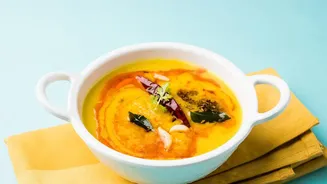
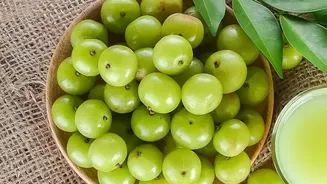
Forget the standard lemon. In Bengal and beyond, the Gondhoraj lebu, or 'king of fragrance lime', is transforming dishes with its intoxicating aroma. Unlike a regular lime, which is primarily sour, the Gondhoraj is celebrated for its powerful, floral fragrance. A small squeeze over dal and steamed rice, a bit of zest in a marinade for chicken, or even a leaf dropped into a curry can perfume the entire meal. This single ingredient adds a layer of complexity that tastes sophisticated but requires zero technique, proving how a unique regional citrus can do all the heavy lifting.
Discovering New Shades of Sour
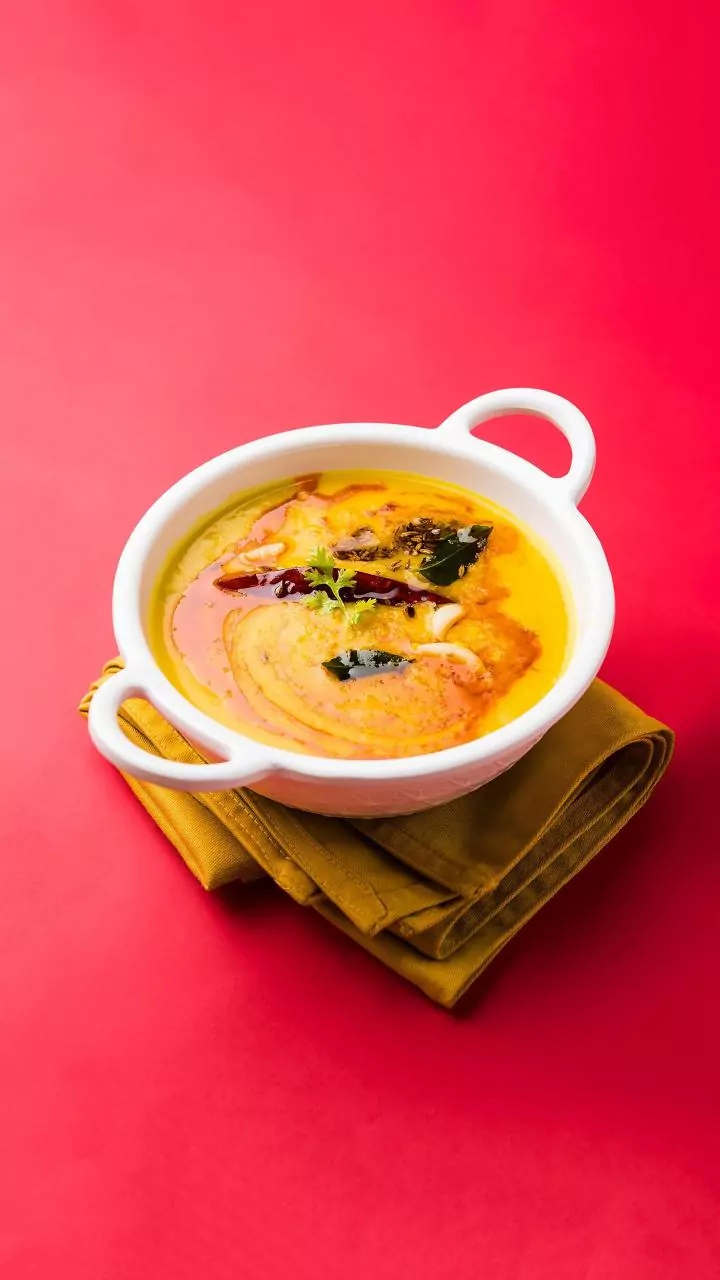
Indian cuisine is built on a balance of tastes, with sourness playing a key role. While tamarind and tomatoes are common, regional kitchens offer a wider palette. Along the Konkan coast, kokum, the dried rind of a fruit from the mangosteen family, provides a gentle, tangy flavour to fish curries and dals. In Kerala, its cousin kodampuli (also known as Malabar tamarind) offers a deeper, smokier sourness, essential for the classic 'meen' curry. These ingredients, easily available online or in regional grocery stores, introduce a nuanced tartness that is profoundly different from the usual suspects.
Not Just Another Sabzi
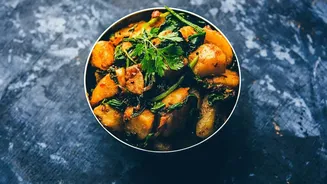
The world of Indian vegetables extends far beyond bhindi, gobi, and lauki. Have you ever tried arbi (taro root)? When cooked, it has a wonderfully nutty and mildly sweet flavour that’s perfect for a simple stir-fry or a thin, spicy curry. Then there are dozens of local greens, or 'saag', each with a unique taste. Moringa leaves, chaulai (amaranth), and gongura (roselle leaves) are packed with flavour and can be quickly sautéed with garlic and chillies for a delicious and nutritious side dish. Exploring the local vegetable vendor can often reveal treasures that break the monotony of everyday meals.
Grains with Character
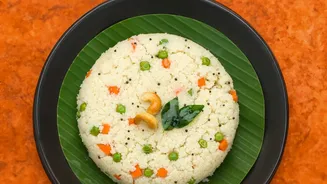
Even a simple bowl of rice can become a flavour experience. India has thousands of indigenous rice varieties that are now becoming more accessible. From West Bengal comes Gobindobhog, a short-grained, buttery-smelling rice perfect for khichdi or kheer. Maharashtra's Ambemohar rice carries the scent of mango blossoms, while black rice from Manipur (Chak-Hao) offers a nutty, chewy texture. Many heirloom varieties from states like Tamil Nadu, such as Mappillai Samba or Karuppu Kavuni, bring earthy and robust flavours to the plate. Simply swapping your usual rice can change the entire character of your meal.