




The Beauty and the Barrier
Imagine watching a Kathakali performance for the first time. The elaborate makeup, the larger-than-life costumes, and the intense facial expressions are undeniably captivating. Yet, without knowing that the green makeup signifies a noble character or that the narrative
is drawn from the Mahabharata, a crucial layer of meaning is lost. This is the central challenge for Indian classical dance forms like Bharatanatyam, Odissi, and Kathak on the world stage. Rooted in ancient scriptures like the Natya Shastra, and interwoven with spiritual and mythological narratives, their depth is both their greatest strength and their highest barrier to entry for an uninitiated audience. For many viewers, especially outside the Indian diaspora, the experience can be aesthetically pleasing but intellectually mystifying, a beautiful spectacle without a narrative thread to hold onto.
Beyond the Familiar Audience
For decades, the primary audience for classical dance abroad has been the Indian diaspora, acting as cultural ambassadors and keeping the traditions alive in community halls and temples. This has been vital for preservation. However, for these art forms to truly thrive and contribute to India's soft power, they must break out of this bubble. Relying solely on a diaspora audience risks stagnation, preventing the art from engaging in a broader cultural dialogue. The goal is to move from being a niche interest for a specific community to becoming a part of the global cultural lexicon, appreciated in international arts festivals and mainstream theatres. This transition requires more than just skilled performers; it demands a new approach to presentation.
The Art of Curation
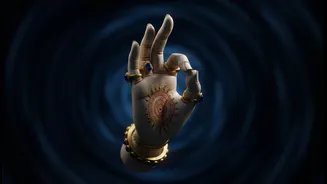
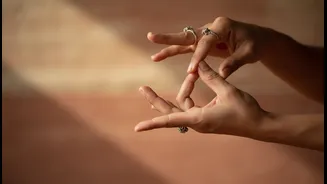
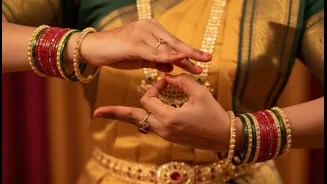
This is where curation and explanation become transformative. It’s not about simplifying the art, but about providing a 'way in'. This can take many forms. Pre-performance talks can introduce the themes, characters, and the specific 'language' of the dance, such as hand gestures (mudras). Program notes that offer clear, concise story summaries or explanations of the cultural context can bridge the knowledge gap. Some presenters use surtitles to translate the sung poetry in real-time, although this is a delicate balance to avoid distracting from the performance itself. Post-show Q&A sessions with the artists offer a personal connection and demystify the creative process. These tools don't dilute the art; they illuminate it, allowing the emotive power, which audiences connect with deeply, to shine through.
Pioneers of a New Path
Some of the most successful Indian dance exports have intuitively understood this. The Nrityagram Dance Ensemble, for example, has garnered global acclaim by presenting Odissi with impeccable technique and a contemporary spirit that captivates audiences worldwide. Their success demonstrates that ancient forms can feel modern and vital. Similarly, the work of the late Akram Khan masterfully blended the storytelling of Kathak with contemporary dance, creating a hybrid form that speaks a universal language. His work isn't just 'fusion'; it's a deep, thoughtful dialogue between traditions, proving that classical roots can anchor profoundly new and accessible creations. These artists show that respecting tradition doesn't mean being trapped by it.
Why It Matters for India
The successful projection of Indian classical dance abroad is more than just an artistic endeavour; it is a powerful act of cultural diplomacy. In a world increasingly connected, soft power—the ability to influence through culture and values—is a significant national asset. Each mesmerising performance of Bharatanatyam or Kathak on a global stage acts as an introduction to the depth and diversity of Indian civilisation. It counters stereotypes and builds bridges of understanding that politics or economics alone cannot. Furthermore, a vibrant international presence ensures the art forms continue to evolve. Engaging with new audiences and different cultures forces artists to innovate, ask new questions, and find new expressions, preventing these living traditions from becoming museum pieces.