



Udaipur, Rajasthan: The Desert in Bloom
Mention Rajasthan, and images of arid deserts and scorching sun likely come to mind. But visit the 'City of Lakes' during the monsoon, and you'll find a different world. The city's magnificent lake system, including Lake Pichola and Fateh Sagar Lake,
swells with rainwater, reflecting the ornate palaces and moody grey skies. The surrounding Aravalli Hills, parched for most of the year, suddenly burst into a soft green, creating a stunning contrast with the white marble architecture. The heat subsides, the tourist throngs thin out, and you can enjoy a boat ride on a full lake or sip chai while watching the rain fall over the City Palace—an experience far more romantic and serene than the peak season rush.
Munnar, Kerala: Tea Gardens in the Clouds
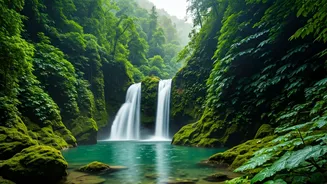
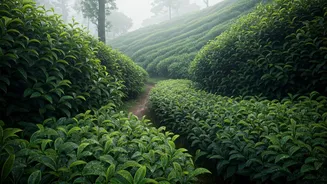
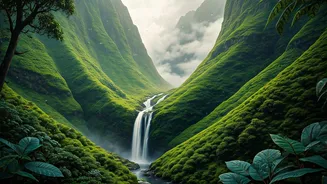
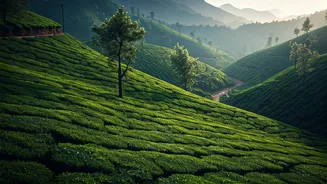
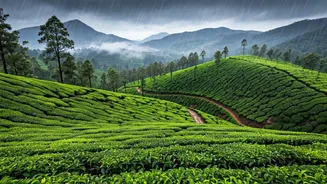
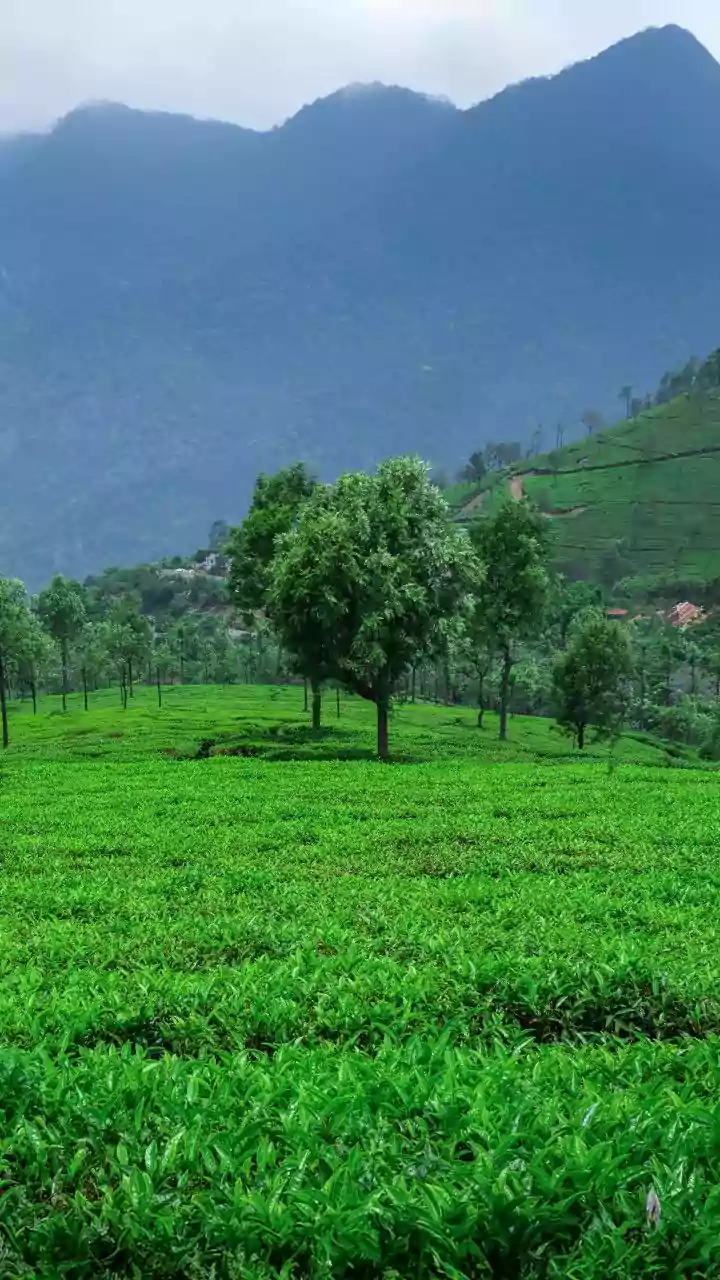
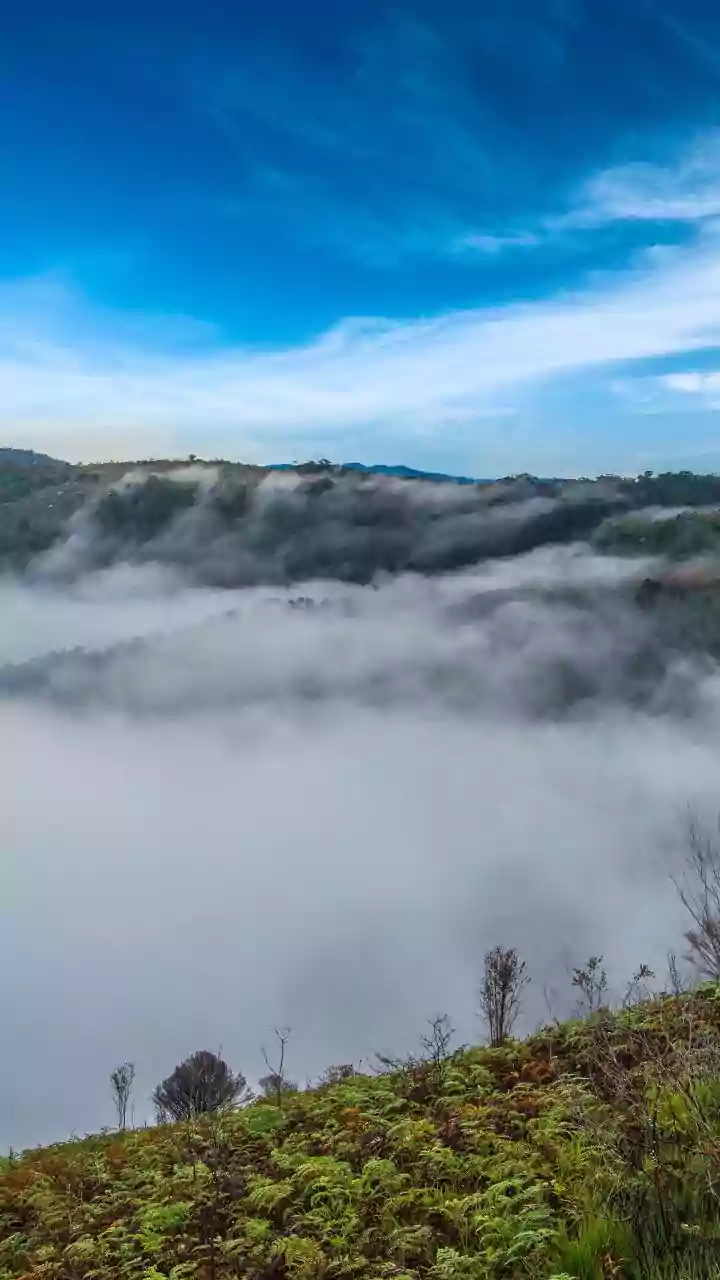
While Kerala's backwaters are a year-round draw, the hill station of Munnar becomes otherworldly during the monsoon. The rains wash the region's endless tea plantations, leaving them a brilliant, almost fluorescent green. Mist and low-hanging clouds drift through the valleys, shrouding the hills in a mystical haze that often parts to reveal breathtaking vistas. Waterfalls like Attukal and Lakkam, which are mere trickles in the dry season, roar back to life, cascading down the hillsides. It's the perfect time for cozying up in a bungalow with a book and a cup of freshly brewed local tea, venturing out for short, misty walks when the rain lets up.
Valley of Flowers, Uttarakhand: A Himalayan Carpet
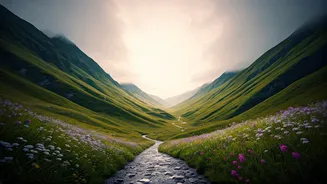
This is a secret that's timed by nature itself. Tucked away in the Himalayas, the Valley of Flowers National Park is a UNESCO World Heritage site that truly comes alive only with the arrival of the monsoon. The seasonal rains trigger a spectacular bloom, carpeting the high-altitude meadows with over 300 species of alpine flowers, from vibrant orchids to rare blue poppies. The trek to the valley is part of the adventure, taking you through dense forests and alongside rushing rivers. The window to witness this phenomenon is short—typically from July to early September—making it a precious and unforgettable monsoon-specific pilgrimage for nature lovers.
Shillong & Cherrapunji, Meghalaya: Embracing the Rain
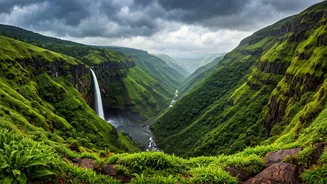
Why not go where the monsoon is king? Meghalaya, 'The Abode of Clouds,' is home to some of the wettest places on Earth. Instead of a nuisance, the rain here is the main attraction. It feeds the region's astonishingly powerful waterfalls, like the Nohkalikai and Seven Sisters Falls, which are at their thunderous best. This is also the place to see the famous living root bridges—a marvel of bio-engineering by the local Khasi tribes. These bridges, woven from the roots of rubber trees, become even more enchanting when draped in moss and surrounded by the sounds of the rainforest, offering a truly unique look at a community that has lived in harmony with the rain for centuries.
Coorg, Karnataka: The Coffee-Scented Downpour
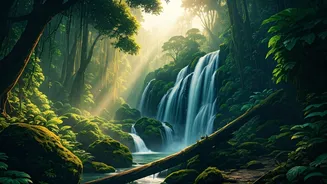
Known as the 'Scotland of India,' Coorg's rolling hills and dense forests are a haven for coffee and spice plantations. During the monsoon, the entire region is washed clean, smelling of wet earth, pepper vines, and blossoming coffee. The rain amplifies the chorus of the forest, and waterfalls like Abbey and Iruppu Falls are in their full, majestic glory. It’s an ideal time for 'drive-tourism'—navigating the winding roads through misty landscapes, stopping at viewpoints that appear and disappear in the clouds. Many homestays offer cozy fireplaces and covered verandas, perfect for enjoying the downpour with a cup of the region's famous coffee.