





The Refrigerator's Reign
The first hurdle for any ambitious recipe is often the refrigerator. It acts as the gatekeeper for what you can buy and how much you can prepare in advance. A grand plan for a multi-course meal, complete with marinated kebabs, various chutneys, and pre-chopped
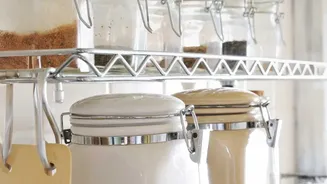
vegetables, can quickly collapse if there’s no room to store the components. For many Indian households, where preparing different elements for a meal is common, this is a daily challenge. Overstuffed shelves lead to forgotten ingredients and food waste, while a lack of organisation makes finding that small bowl of ginger-garlic paste a frantic exercise. The solution begins before you even cook: treat your fridge like a pantry. Use clear, stackable containers to see everything at a glance. Designate zones for dairy, vegetables, leftovers, and prep bowls. Embracing vertical space with shelf risers can double your storage. A well-managed fridge doesn't just store food; it gives your recipes room to breathe and develop.
Conquering the Counter
If the fridge is the gatekeeper, the kitchen counter is the stage where the magic happens. A cluttered, cramped countertop is perhaps the single biggest deterrent to attempting complex dishes. Professional chefs live by the principle of 'mise en place'—everything in its place—and it's a game-changer for home cooks, too. But 'mise en place' feels impossible without space. The key is to adapt it. Before you start, clear everything off your counters that isn't essential for the recipe at hand. Utilise vertical and unconventional spaces: a wall-mounted magnetic strip for knives, a rack for hanging spoons and spatulas, or even an over-the-sink cutting board can create precious real estate. Think about your workflow. Prepare ingredients in the order you’ll use them, cleaning and putting away bowls as you go. This 'clean as you go' mentality prevents the pile-up that makes cooking feel chaotic. A tidy counter not only makes cooking more efficient but also more enjoyable, turning a stressful task into a mindful practice.
The Serving Dish Dilemma
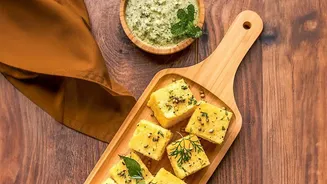
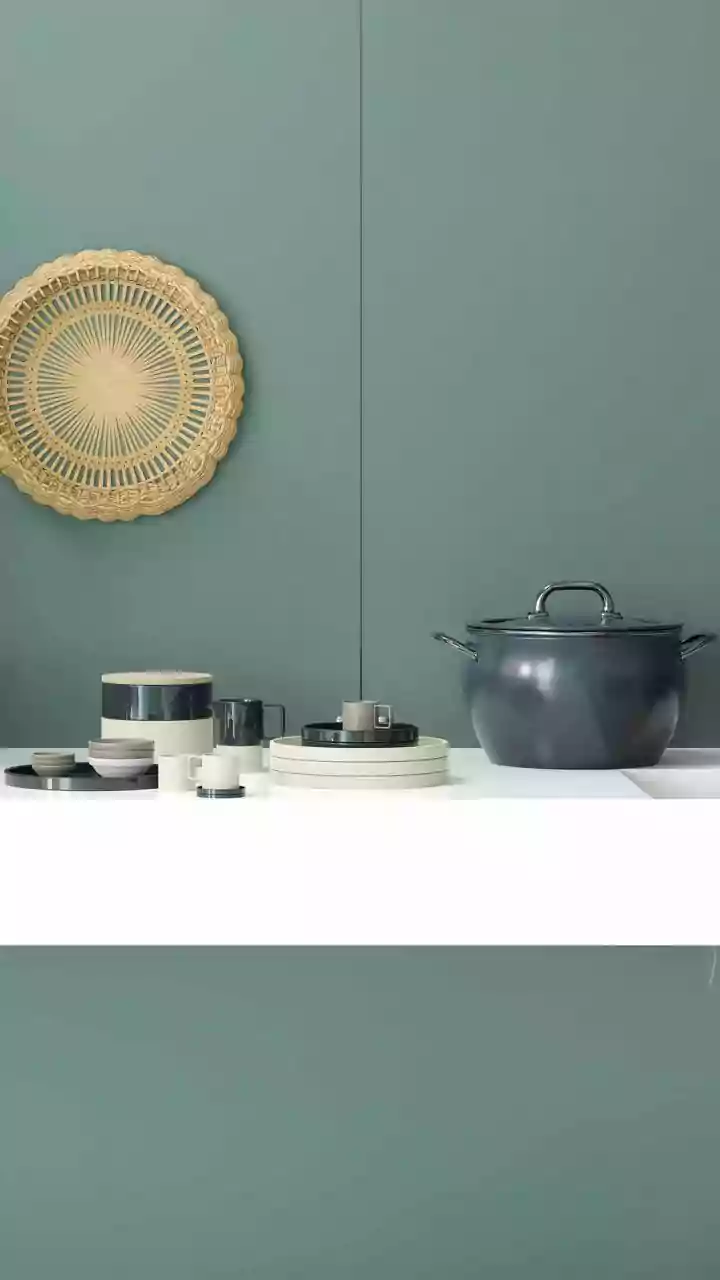
You’ve navigated the fridge, mastered the counter, and cooked a spectacular meal. But the final hurdle awaits: serving. The number, size, and shape of your serving dishes can unexpectedly limit your menu. That elaborate plan for a six-dish thali might be unrealistic if you only own three presentable serving bowls. You might find yourself reluctantly combining a dry vegetable with a gravy dish simply due to a lack of options, compromising the intended experience. This final step is as crucial as the cooking itself. The solution is to think about serving from the very beginning of your meal plan. Take a quick inventory of your serveware before you decide on the menu. Perhaps it's a good day for a stunning one-pot biryani served from a single, beautiful pot, or maybe a meal best served on large platters for family-style sharing. Having a versatile collection, including a few large platters and several small bowls (katoris), provides flexibility. Don't let a shortage of bowls dictate your culinary creativity; instead, let your available dishes inspire your presentation.
The Art of the Spatial Recipe
Ultimately, becoming a more confident and adventurous cook isn't about getting a bigger kitchen; it's about becoming a smarter one. Before tackling a new recipe, perform a quick 'spatial audit'. Ask yourself: Do I have the fridge space for the prep? Is there enough counter space for the chopping and mixing? Do I have the right dishes to serve this beautifully? By viewing your kitchen's physical limitations not as frustrating obstacles but as strategic parameters, you change the game. Constraints can foster creativity. A small counter might lead you to perfect the art of the one-pan meal. Limited fridge space might encourage you to shop for fresher ingredients more frequently. By acknowledging these limits, you can choose recipes that play to your kitchen's strengths, ensuring a smooth, satisfying process from start to finish. You begin to understand that a successful meal is a harmony of flavour, timing, and, most importantly, space.