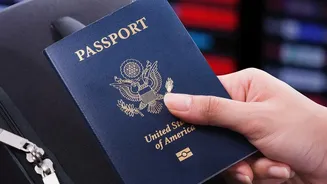





What if the 'best' passport wasn’t just about visa-free travel, but about the quality of life back home? A new study does just that, ranking nations on happiness, freedom, and prosperity to find the world's truly 'happiest' passports.
Redefining a Powerful Passport
For years, passport
rankings have been a simple contest of mobility: the more countries you can enter without a visa, the better your passport. But the 2026 'Happy Passports Index' from advisory firm Global Citizen Solutions offers a more holistic view. It asks a deeper question: what good is a powerful passport if life in your home country is lacking? This study rates 50 countries by combining traditional passport strength with crucial quality-of-life metrics. The final score is an equal blend of four pillars: Wellbeing (based on residents' life satisfaction), Freedom at Home (civil liberties and personal freedoms), Mobility (passport strength), and Prosperity, Health, and Safety (income, life expectancy, and peace). The result is a ranking that measures not just the ability to leave, but the quality of the life you have when you stay.
1. Finland: The Reigning Champion of Wellbeing
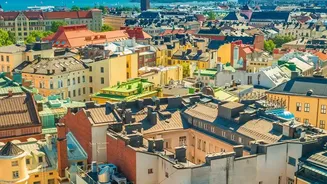
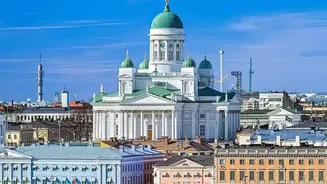
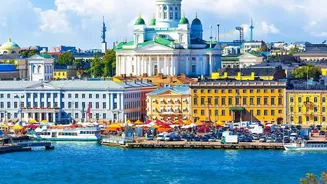
It’s no surprise that Finland tops the list with a score of 93.2 out of 100. The Nordic nation has become synonymous with happiness, consistently leading global life satisfaction surveys. According to the index, Finland’s top spot is driven by its exceptional scores in the Wellbeing and Freedom at Home categories. While its passport is powerful, its strength lies in the high levels of personal freedom, civil liberties, and the overall life satisfaction reported by its residents. This reinforces the study's core idea: the best nationality offers a superb quality of life at home, complemented by strong global access.
2. Iceland: Where Safety and Freedom Meet
Coming in a close second, Iceland scores 92.4, excelling due to its remarkable safety and high degree of personal freedom. It is ranked as the most peaceful country included in the study. Though its passport isn't the absolute strongest in terms of visa-free travel compared to some others, its top-tier performance in civil liberties and quality of life at home boosts its overall ranking significantly. Iceland's placement demonstrates that a sense of security and freedom can be more valuable than sheer economic might or mobility alone.
3. Denmark: The Master of Balance
Denmark, with a score of 92.1, stands out for its consistency. It is the only country in the entire index to place in the top four across all four pillars: Wellbeing, Freedom, Mobility, and Prosperity. This exceptional balance means Danish citizens enjoy a high degree of life satisfaction and personal freedom, have a top-tier passport for travel, and live in a prosperous and safe environment. Denmark's success in the ranking is a testament to a well-rounded national performance, rather than excellence in just one or two areas.
The Best of the Rest
The remainder of the top ten is dominated by European nations, underscoring the region's high overall quality of life. Norway (4th), Switzerland (5th), and Sweden (6th) follow the leading trio, all praised for their blend of happiness, freedom, and prosperity. Further down the list, countries like Singapore and Portugal offer interesting case studies. Singapore has an incredibly powerful passport and high income, but lower scores for personal freedom pull it down to 10th place. Meanwhile, Portugal has a top-tier passport but ranks much lower for life satisfaction, highlighting that mobility and happiness do not always go hand-in-hand.
Where Does India Stand?
For readers in India, one key detail from the Happy Passports Index is its scope. The 2026 study focused on a sample of 50 countries, and India was not included in this particular analysis. Therefore, it does not have a rank. The selection does not imply that unlisted countries would rank below the 50th spot; they were simply not part of this specific research cohort. While other indices focus purely on passport strength, where India's rank fluctuates based on new visa agreements, this study's exclusion means we can't draw a direct comparison on its unique blend of quality-of-life metrics.