


Master the Post-Walk Wipe Down
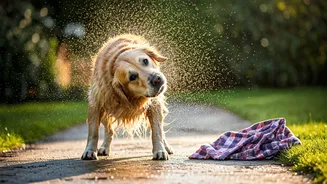
This is the most crucial step in monsoon paw care. Constant exposure to dampness and dirty puddle water can lead to fungal and bacterial infections like pododermatitis. After every single walk, make it a non-negotiable ritual to clean your pet’s paws.
Use a bowl of lukewarm water and a soft cloth or pet-safe wipes to gently clean all the mud and grime. Pay special attention to the area between the paw pads and toes, as this is where moisture and germs love to hide. Avoid using harsh soaps or human sanitisers, which can irritate their skin. The goal is to clean, not to strip their natural oils.
Drying is as Important as Cleaning
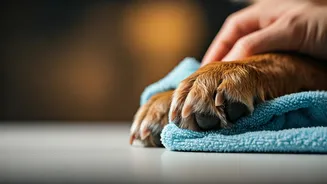
A clean but damp paw is a breeding ground for yeast and bacteria. After washing, thoroughly dry your pet’s paws with a dedicated, absorbent towel. Again, be meticulous about drying between the toes. Some long-haired breeds might benefit from a quick blast with a hairdryer on the lowest heat and speed setting, but only if your pet is comfortable with the noise and sensation. Never let them air-dry, as lingering moisture is the primary culprit behind most monsoon-related paw problems. A completely dry paw is a healthy paw.
Keep Fur and Nails Neatly Trimmed
Long fur around the paws acts like a sponge, trapping mud and moisture and making the drying process much harder. Keeping the hair between their paw pads trimmed short is an excellent preventative measure. It improves air circulation and reduces the surface area for dirt to cling to. Similarly, long nails can get caught on uneven, slippery surfaces, and can also accumulate muck underneath them. Regular nail trims not only prevent painful breakage but also make the paws easier to clean, contributing to overall foot hygiene.
Conduct Daily Paw Inspections
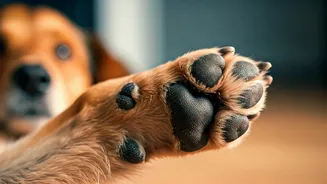
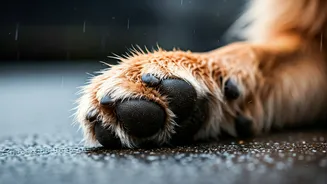
Make it a habit to check your pet's paws daily, perhaps during a cuddle session when they are relaxed. Look for any signs of trouble: redness, swelling, cracks, blisters, or excessive licking of the area. Check for any foreign objects like tiny pebbles, glass shards, or thorns that might have gotten lodged between the pads. This quick, five-minute check can help you catch potential issues early before they develop into painful infections that require veterinary intervention. Your pet can't tell you what's wrong, so your eyes are their first line of defence.
Consider Protective Balms or Booties
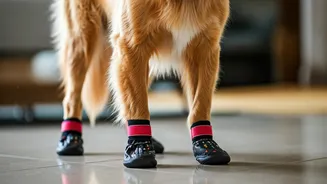
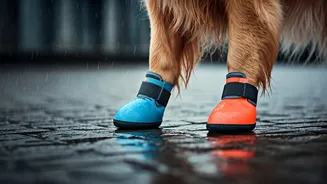
Pavement and roads can become abrasive and harsh when constantly wet. Applying a thin layer of a pet-safe paw balm or wax before walks can create a protective barrier against rough surfaces and allergens. These balms also help moisturise the pads, preventing them from becoming dry and cracked from the cycle of getting wet and drying out. For pets who are agreeable, waterproof booties are the ultimate solution. They keep paws completely clean and dry, though it may take some positive reinforcement and training for your dog to get used to wearing them.
Know When to See the Vet
While a good home-care routine can prevent most issues, it's vital to recognise the signs that warrant a professional opinion. If you notice a persistent foul odour from the paws, see any pus or discharge, or if your pet is limping or constantly licking/chewing at a paw, it's time to visit the vet. These are clear indicators of an infection or injury that requires medical treatment. Don't try to treat it with home remedies, as you could make the problem worse. Prompt veterinary care will ensure your pet gets relief quickly and safely.