




What Exactly Is Horse Gram?
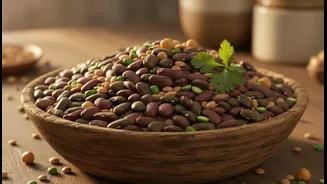
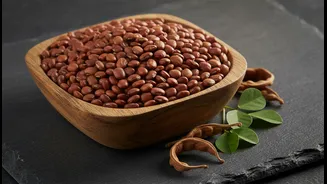
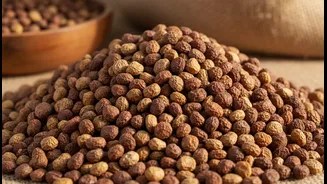
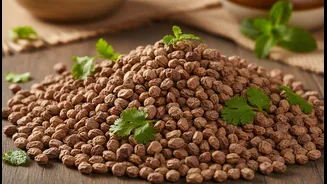
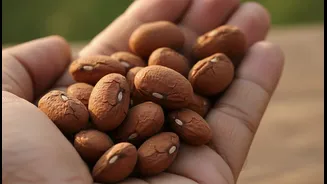
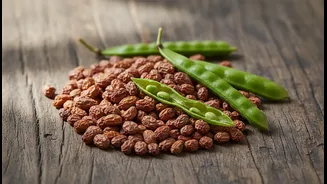
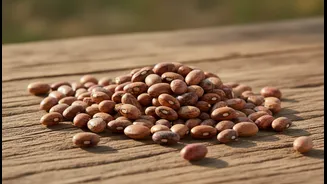
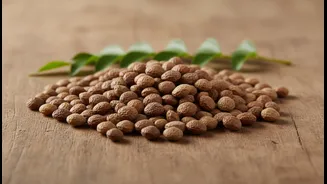
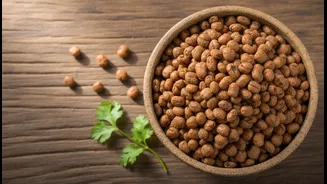
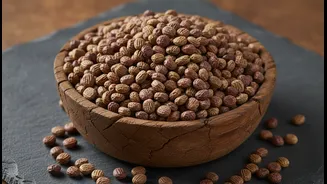
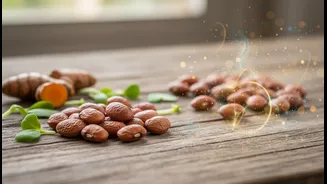
Known as kulthi in Hindi, kollu in Tamil, and ulavalu in Telugu, horse gram (Macrotyloma uniflorum) is a small, hardy lentil that has been cultivated in India for centuries. Its English name comes from its traditional use as a high-energy feed for horses
and cattle. For generations, it was a staple food, especially in southern India and hilly regions, valued for its ability to thrive in dry, tough conditions where other crops might fail. Despite being incredibly resilient and nutritious, it gradually fell out of favour in many urban kitchens, overshadowed by more common dals. Now, a renewed interest in traditional foods, sustainability, and powerful nutrition is bringing this 'poor man's pulse' back into the limelight.
A Nutritional Powerhouse
The renewed excitement around horse gram is well-deserved, primarily due to its impressive nutritional profile. It is considered the most protein-rich lentil on the planet, with protein content ranging from 22% to 25%. This makes it an excellent plant-based protein source. Furthermore, it is packed with dietary fiber, which aids digestion and promotes a feeling of fullness, making it beneficial for weight management. Horse gram also boasts the highest calcium content among all pulses and is a rich source of iron, phosphorus, and essential minerals. Its low-fat content and abundance of antioxidants, such as polyphenols and flavonoids, contribute to its health-promoting properties, which have long been recognized in Ayurvedic traditions for treating various ailments.
From Tradition to Trendy Bowls
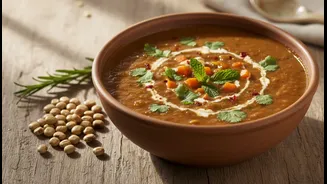
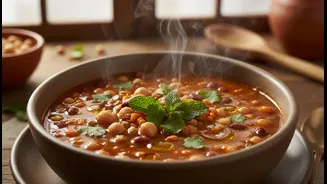
The resurgence of horse gram is not just about health; it's a culinary trend. Once confined to rustic, regional dishes like warming rasams in Tamil Nadu or robust dals in Uttarakhand, chefs and home cooks are now exploring its versatility. Its deep, earthy flavour makes it a fantastic ingredient for modern recipes. You can now find horse gram featured in hearty soups, nutritious breakfast bowls, sprouted salads, and even ground into flour for rotis and dosas. This shift from a traditional staple to a trendy superfood means it's easier than ever to incorporate into a contemporary diet, offering both flavour and function.
What It Means for Your Kitchen
For the Indian home cook, the return of horse gram is a fantastic opportunity to reconnect with a nutritious, affordable, and local ingredient. Its warming nature makes it perfect for winter soups and broths that can help soothe a cold or cough. Sprouted horse gram can be tossed into salads for a crunchy, protein-packed addition. As a dal, it offers a heartier, more robust alternative to everyday lentils, pairing beautifully with steamed rice or bhakri. You can also roast and powder it to create a chutney powder or use it as a thickener for curries. The key to cooking horse gram is patience; it's a tough lentil that requires soaking (overnight is best) and a longer cooking time, often in a pressure cooker, to become tender.
Getting Started with Kulthi
Ready to give it a try? Start simple. Soak one cup of horse gram overnight. The next day, pressure cook the soaked lentils until they are soft and mashable, which can take 6-8 whistles or more. Use this cooked dal to make a simple 'saaru' or rasam by tempering it with mustard seeds, cumin, garlic, and curry leaves. You can also make a 'usal' by sautéing the boiled grams with onions, tomatoes, and spices. Because of its dense nature, some find it can cause bloating. Soaking and sprouting can help make it easier to digest. As with any food, start with small quantities to see how your body responds.