


The Reign of the Picture-Perfect Breakfast
For years, the smoothie bowl has been the undisputed symbol of a healthy, modern breakfast. Packed with exotic fruits, superfoods, and colourful toppings, it’s a feast for the eyes and a staple on social media feeds. This Western wellness trend found
a huge following in urban India, promising a quick, nutrient-dense meal replacement. Cafes and health-conscious home cooks embraced these bowls as a delicious way to get a dose of vitamins and fibre. However, some nutritionists warn that they can be high in sugar and calories, potentially causing blood sugar spikes.
An Ancient Challenger From Our Own Kitchens
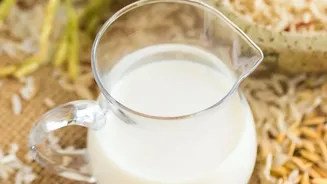
Enter fermented rice water. Known by many names across India — Panta Bhat in Bengal, Pazham Kanji in Kerala and Tamil Nadu, and Pakhala Bhata in Odisha — this is no new fad. It is a generations-old practice of soaking leftover cooked rice in water overnight. The mixture undergoes a natural fermentation process, resulting in a slightly sour, cooling gruel that was traditionally the breakfast of farmers and labourers for its ability to provide sustained energy and hydration in the heat. What was once seen as 'poor man's food' is now being recognised as a superfood.
The Science Behind the Simplicity
The magic of fermented rice water lies in microbiology. The overnight fermentation process creates a powerhouse of probiotics, particularly lactic acid bacteria like Lactobacillus. These beneficial bacteria are crucial for good gut health, aiding digestion, improving nutrient absorption, and strengthening the immune system. Studies have shown that fermentation dramatically increases the bioavailability of micronutrients. For instance, the iron content in rice can increase significantly, while levels of B vitamins, including the vital B12, are also enhanced. This simple process unlocks nutrients that are otherwise harder for the body to access.
Gut-Feeling: Why It's a Smarter Choice for Some
When placed side-by-side, the comparison is stark. While a smoothie bowl can be a sugar-heavy, cold meal, which can be challenging for some digestive systems, fermented rice water is a natural coolant and is light on the stomach. The probiotics actively support the gut lining and can help with issues like bloating and constipation. Traditional Indian wisdom has long prescribed it for digestive ailments. Furthermore, it is incredibly economical and sustainable, using leftovers to create a nutrient-dense meal. This stands in contrast to expensive, often imported, ingredients that feature in many Western wellness trends.
A Cultural Shift Back to Our Roots
The growing interest in fermented rice is about more than just nutrition; it's part of a larger cultural shift. Across India, there is a growing pride and curiosity in traditional food systems and ancestral wisdom. After a long period of looking to the West for lifestyle trends, many Indians are now looking inwards, rediscovering the powerful, time-tested practices of their own culture. The trend signifies a move away from a one-size-fits-all global wellness model towards solutions that are local, seasonal, and culturally resonant. It's not about rejecting the new, but about giving the old its rightful place at the table.