




First, What Is The Skin Barrier?
Think of your skin's outermost layer, the stratum corneum, as a tiny brick wall. The skin cells are the 'bricks', and a mix of natural fats like ceramides, cholesterol, and fatty acids act as the 'mortar' holding it all together. This structure is your skin barrier,
a mighty shield that performs two critical jobs: it keeps moisture locked in to prevent dehydration, and it keeps harmful pollutants, bacteria, and irritants out. When this barrier is damaged—by harsh weather, over-exfoliating, or aggressive products—it develops 'cracks'. The result is often dryness, redness, sensitivity, and a generally dull appearance. A healthy, intact barrier is the secret to skin that looks and feels calm, hydrated, and resilient.
Enter: The Hydrating Barrier Cream
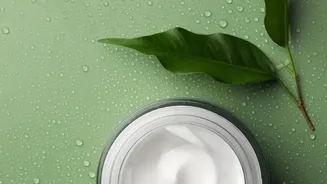
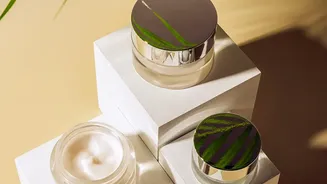
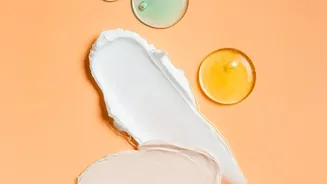
While a standard moisturizer provides daily hydration, a barrier cream is a specialized formula designed to both moisturize and actively repair that 'brick and mortar' structure. These creams are packed with ingredients that mimic your skin's natural lipids to reinforce its defenses. Key ingredients often include ceramides, which make up about 50% of your skin's natural mortar and are crucial for structure. They also feature humectants like hyaluronic acid and glycerin, which draw water into the skin, plumping it from within. Many modern formulas also include niacinamide (a form of vitamin B3) to calm irritation and peptides, which are amino acid chains that signal the skin to rebuild. Together, these ingredients don't just add temporary moisture; they help the skin rebuild its ability to hold onto hydration and protect itself.
The Foundation of Skin-First Makeup
The 'skin-first' beauty movement prioritizes enhancing your natural skin over masking it with heavy coverage. It’s about achieving a radiant, healthy-looking complexion where makeup is an accessory, not a necessity. This is precisely where barrier creams shine. By focusing on the health of the skin barrier, you create a smoother, plumper, and more even canvas before a single drop of foundation is applied. A well-hydrated and supported barrier means less visible texture, reduced redness, and fewer dry patches for makeup to cling to. The result is that you need less coverage. A sheer skin tint or a bit of strategically placed concealer is often all that's required because your skin already looks its best. The glow comes from within, powered by a healthy barrier, not from a heavy layer of highlighter.
How to Use It as Your New Primer
Integrating a barrier cream into your makeup routine is simple. Think of it as the final step of your skincare and the very first step of your makeup prep. After cleansing and applying any lightweight serums, dispense a pea-sized amount of barrier cream and smooth it over your face and neck. Crucially, give it a minute or two to fully absorb before moving on to makeup. This allows the cream to form a protective, hydrating layer that creates a smooth glide for any products you apply on top. Many users find that a good barrier cream provides all the smoothing and hydrating benefits of a traditional makeup primer, but with the added long-term benefit of actually improving skin health. For daytime, your SPF should always be the final step after the barrier cream has set.