

Why Sikkim's Skies Are So Special
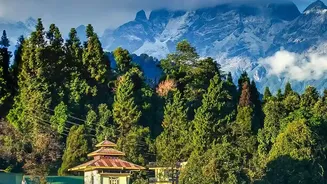
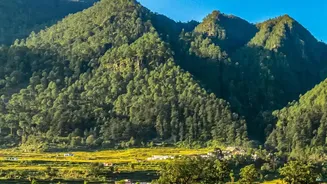
Sikkim's geography is almost purpose-built for astronomy. With vast areas under forest cover and minimal industrial light pollution outside Gangtok, the skies achieve a remarkable clarity. High-altitude locations, from remote valleys to glacial lakeshores,
become natural observatories. The thin, dry air, especially after the monsoon, means less atmospheric disturbance, making stars appear sharper and brighter. For travellers accustomed to urban skies, a clear night in North Sikkim can be a profound experience, revealing the dense band of the Milky Way with naked-eye visibility.
Lachung, Yumthang Valley & Zero Point
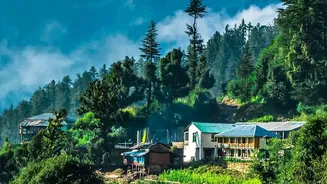
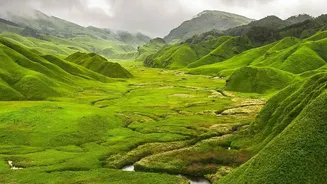
The twin villages of Lachen and Lachung serve as gateways to some of India's darkest skies. Lachung, the base for the famous Yumthang Valley, is a destination in itself. While Yumthang is known as the 'Valley of Flowers' in spring, after sunset it transforms into a stargazing amphitheatre. Further up from Yumthang lies Yumesamdong, or Zero Point, at an altitude of over 15,000 feet. Its extreme remoteness guarantees a sky free from artificial light, offering a panoramic canvas of constellations. A typical trip involves staying in Lachung and making an early morning or evening trip towards these higher reaches.
Gurudongmar Lake: A Mirror to the Cosmos
At an elevation of over 17,000 feet, Gurudongmar Lake is one of the highest lakes in the world and a truly epic stargazing location. The thin, crisp air at this altitude provides an exceptionally clear window to the stars. On calm, moonless nights, the lake’s still, sacred waters can create a stunning mirror-like reflection of the cosmos above, doubling the spectacle. The journey here is demanding and requires careful acclimatisation, with Lachen town serving as the primary base camp. Access to this high-altitude marvel is typically restricted to Indian nationals.
Zuluk & The Old Silk Route
While North Sikkim gets much of the astrotourism attention, East Sikkim holds its own secrets. The historic Old Silk Route, with its winding roads leading through Zuluk at around 10,000 feet, is a fantastic corridor for stargazing. Its proximity to the Indo-China border means development is sparse and light pollution is virtually non-existent. Nearby Gnathang Valley, often called the 'Ladakh of East Sikkim', offers wide-open meadows perfect for lying back and watching the celestial show. Permits are essential for this route, and foreign nationals may face travel restrictions.
Goecha La Trek: Stars on the Trail
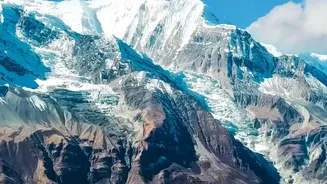
For the adventurous, stargazing isn't just a destination but part of the journey. The Goecha La trek, starting from the historic town of Yuksom, is one of Sikkim’s premier trekking routes, leading into the heart of Khangchendzonga National Park. As trekkers ascend to camps like Dzongri (around 13,000 ft) and Thansing, they leave the last vestiges of light pollution far behind. The nights at these high-altitude camps are intensely dark and clear, offering breathtaking views of the star-filled sky above the mighty Kanchenjunga massif. It is a rewarding experience where the trek itself becomes an immersive astronomical tour.
Planning Your Stargazing Trip
The best time for stargazing in Sikkim is during the autumn months of October and November, when the monsoon has passed, leaving the skies clear and dry. Spring (March to May) is another excellent window with stable weather. Most of the premier locations in North and East Sikkim require an Inner Line Permit for Indian nationals, which must be arranged through a registered tour operator in Gangtok. Remember to pack multiple layers of warm clothing, as temperatures at high altitudes drop significantly after dark, even in warmer seasons.