



A Groundbreaking Glimpse
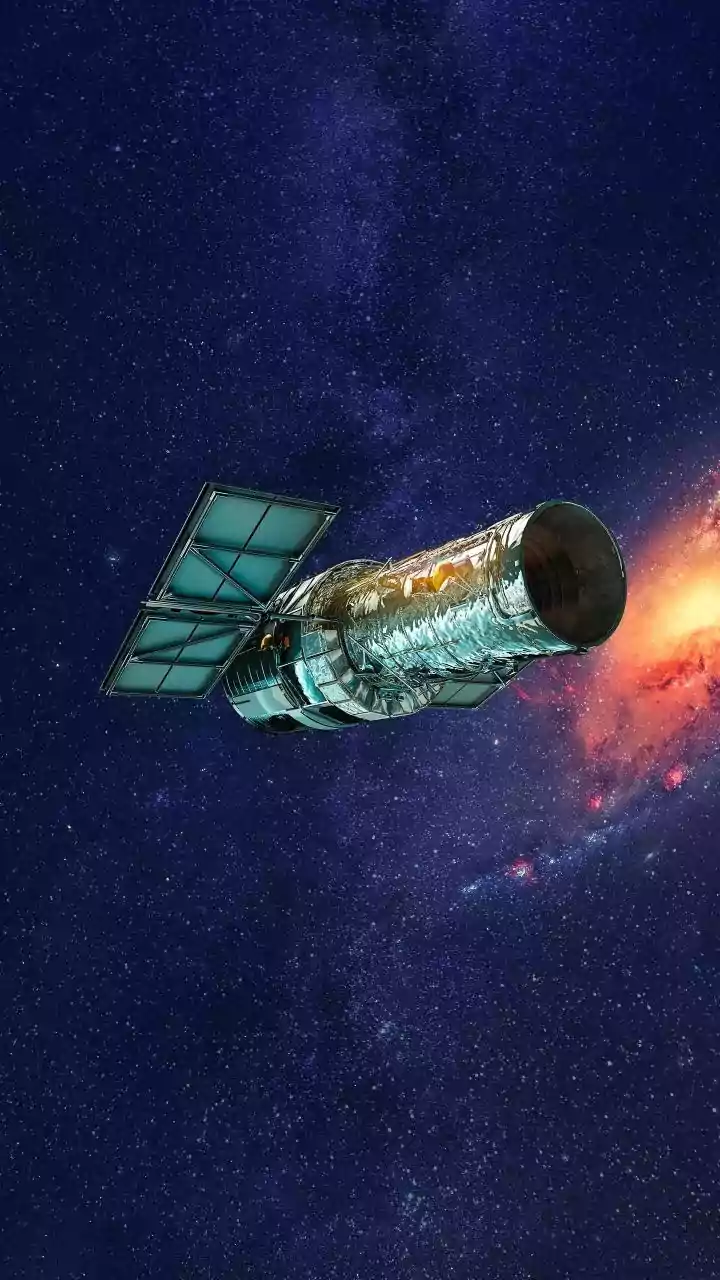
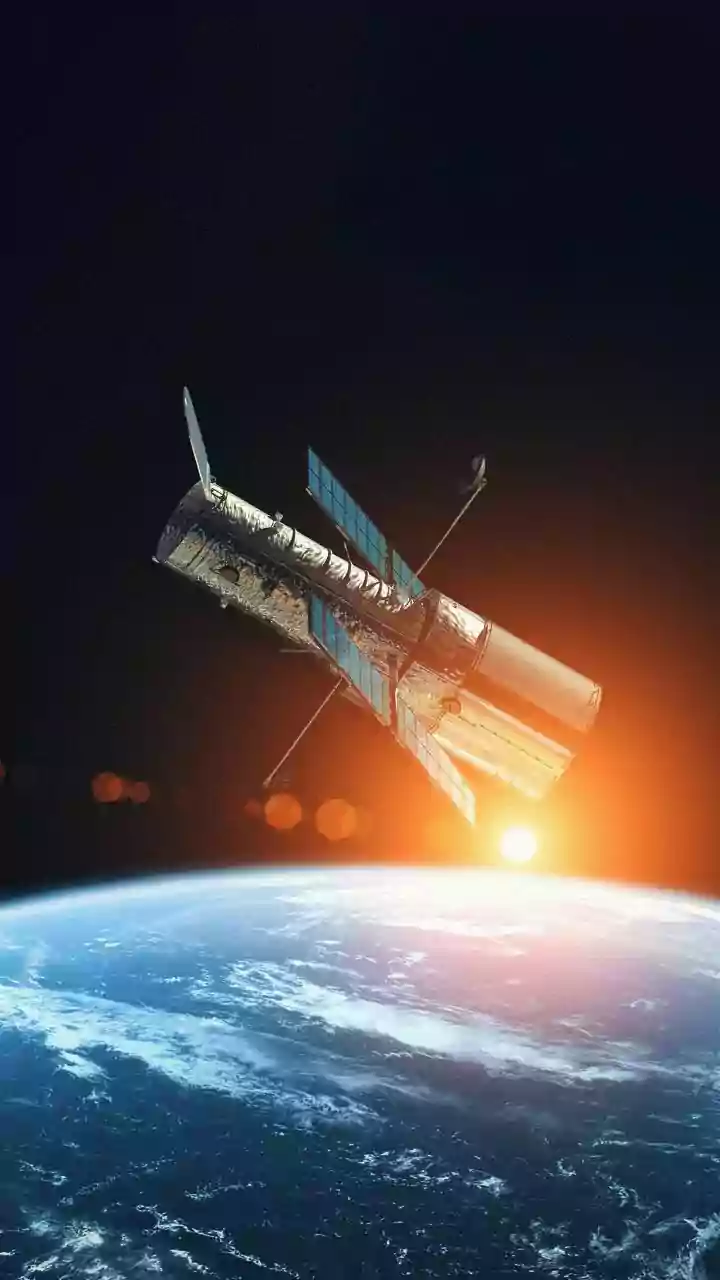
The search for atmospheres on rocky exoplanets has been a long and challenging frontier in astronomy. While water has been found on gas giants before, detecting it on smaller, rockier worlds is a monumental step. The James Webb Space Telescope's powerful
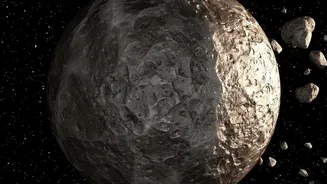
instruments have recently provided hints of water vapour around a rocky 'super-Earth' known as GJ 486 b, located just 26 light-years away. This planet is about 30% larger and three times more massive than our own world. The detection represents a major breakthrough, as no atmosphere had previously been definitively confirmed around any rocky exoplanet.
How Webb Reads an Alien Sky
So how does a telescope nearly 1.5 million kilometres from Earth 'see' the air of a planet light-years away? The technique is called transit spectroscopy. As an exoplanet passes in front of its host star from our point of view, a tiny fraction of the starlight filters through the planet's atmosphere. The molecules in that atmosphere absorb specific colours, or wavelengths, of light. For the JWST, this creates a 'fingerprint' that scientists can analyse. The Near-Infrared Spectrograph (NIRSpec) instrument on Webb observed GJ 486 b as it crossed its star, and the data revealed a signal that was a strong match for water vapour.
A Planet or Its Star?
Science, however, demands caution. Researchers have pointed out an equally plausible explanation for the water signature: it might not be coming from the planet at all, but from its parent star. GJ 486 b orbits a red dwarf star, which is much cooler than our Sun. These cool stars can have 'starspots'—similar to sunspots—that are cool enough for water vapour to form and exist within the star's own photosphere. This stellar water could create a signal that mimics a planetary atmosphere. Follow-up observations have suggested the signal is more likely from these cool stellar patches, meaning the planet is probably airless. Disentangling these two possibilities is the critical next step for astronomers.
Not Habitable, But Hugely Important
Even if GJ 486 b does have a steamy atmosphere, it is far from a paradise. With a surface temperature of around 430 degrees Celsius (800 degrees Fahrenheit), it's more of a scorching furnace than a potential home for life. Any water would exist as steam, possibly replenished by volcanoes. The true significance of this finding isn't about habitability on this specific world. Instead, it's a monumental proof-of-concept. It demonstrates that the JWST has the incredible capability to detect the faint atmospheric signals from rocky worlds, paving the way to study cooler, more Earth-like planets in the future. In other systems, like PDS 70, Webb has also found water vapour in the very zone where rocky planets are currently forming, suggesting water could be a core ingredient from the start.
The Next Chapter in an Ancient Quest
The detection of water around GJ 486 b, even with the existing ambiguity, marks a new chapter in exoplanet science. Scientists are planning further observations with Webb's other instruments, which can observe in different light wavelengths, to definitively solve the mystery of whether the water belongs to the planet or its star. Each observation, whether a confirmation or a puzzle, refines our understanding of planetary systems. While this discovery may not be the definitive evidence of an Earth 2.0, it is a crucial and exciting step forward, transforming the search for habitable worlds from a theoretical exercise into an observational reality.