
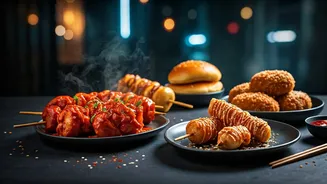


The Hallyu Effect on Your Plate
It’s a phenomenon called 'Hallyu' or the 'Korean Wave', and it’s about much more than just K-pop music and binge-worthy dramas. This cultural wave has powerfully influenced everything from fashion to food, and India is no exception. [14, 12] Viewership
for K-dramas on platforms like Netflix has surged, with one report noting a 370% year-over-year jump during the pandemic. [7] This has created a direct link between on-screen moments and off-screen cravings. When audiences see their favourite characters enjoying a steaming bowl of ramen or sharing a packet of Pepero sticks, the curiosity is immediate and powerful. [10, 4] This isn't just about watching; it's about wanting to experience a piece of that culture, and food is the most accessible way to do it. [6]
From Samosa to Shin Ramyun
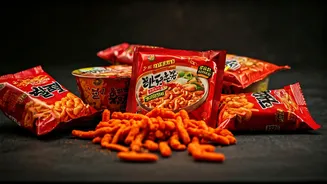
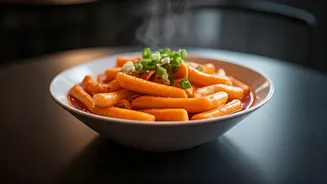
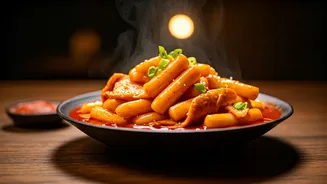
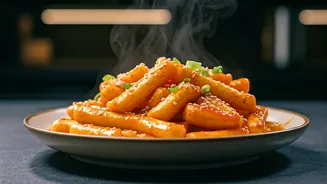
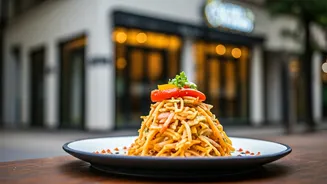
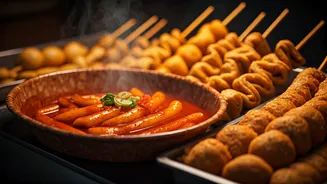
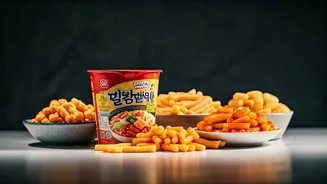
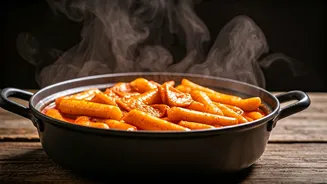
The numbers tell a compelling story. According to food delivery platform Swiggy, orders for Korean dishes grew by a staggering 50% year-on-year in mid-2025. [2, 3] While metro cities like Bengaluru and Mumbai lead the charge, the trend is rapidly spreading to non-metro areas, which saw a 59% rise in orders. [3] So, what's on the menu? Instant noodles, or 'ramyun', are the undisputed champion. [17] The Indian market for Korean noodles exploded from just ₹2 crore in 2021 to over ₹65 crore by 2023. [4, 18] Other favourites include tteokbokki (spicy rice cakes), kimchi, sweet and savoury honey butter chips, and various flavoured almonds. [11, 23] The appeal lies in a flavour profile that resonates with Indian palates — a love for spice, complexity, and bold seasonings. [10, 17]
Gen Z Leads the Flavour Charge
Driving this culinary shift is India’s youth. Gen Z, known for their digital-first approach and willingness to embrace global trends, are the primary consumers. They account for 27% of all Korean food orders, turning snacks into a social media event. [2, 7] From fiery ramen challenges on YouTube to aesthetic cafe posts on Instagram, Korean food is as much about the experience as it is about the taste. [4] This generation isn't just eating; they're participating in a global conversation, and food is their language. The immersive atmosphere of K-pop-themed cafes, complete with neon signs and curated playlists, further cements this connection, making it a shareable, cultural experience. [8]
The Market Catches On
The boom has not gone unnoticed by businesses. Indian imports of Korean food items have jumped significantly, from $1.5 million in 2020 to $12 million by 2024. [4, 18] Major Korean food brands like Lotte Wellfood and Nongshim are investing heavily in the Indian market, with some even setting up production facilities in the country. [5, 13] Simultaneously, Indian FMCG giants are launching their own Korean-inspired products. Brands like ITC (YiPPee!), Nestlé (Maggi), and CG Group are rolling out Korean-flavoured noodles and snacks to capture this growing market. [9] Even fast-food chains are adapting, with McDonald's India introducing items with Korean elements like gochujang, creating fusion flavours that appeal to both novelty-seekers and those who prefer familiar tastes. [9]