



Conduct a Kitchen and Tap Audit
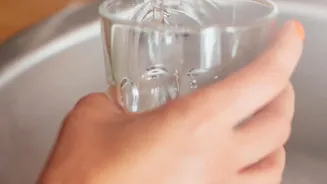
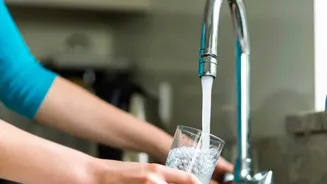
The first step to saving water is knowing where it's being wasted. Start in the kitchen and bathrooms. A single dripping tap can waste thousands of litres of water per year. Make it a monthly habit to check all faucets, under-sink pipes, and toilet cisterns
for leaks. For a simple check, read your water meter, avoid using any water for 30-60 minutes, and then check the meter again. If the reading has changed, you have a leak that needs fixing. While brushing your teeth or washing hands, turn off the tap. Instead of letting water run to wash vegetables, use a bowl of water. These small behavioural changes significantly cut down on daily water consumption without any cost.
Install Water-Saving Fixtures
Modern technology offers a simple way to reduce water use without sacrificing pressure or convenience. Installing low-flow aerators on taps and showerheads is one of the most effective changes you can make. Aerators can reduce the flow from a tap by up to 50% while maintaining pressure. Similarly, a water-saving showerhead can cut bathing water usage considerably. When it's time to replace a toilet, consider a dual-flush model, which uses significantly less water for liquid waste. These small, one-time investments pay for themselves through lower water bills and a massive reduction in your home's water footprint.
Reuse Every Drop of 'Waste' Water
Not all wastewater is created equal. The water from your RO water purifier, while not potable, is perfect for other tasks. An RO system can waste 2-3 litres of 'reject water' for every litre it purifies. Instead of letting it go down the drain, collect this water in a bucket or tank. It can be used for mopping floors, cleaning balconies, flushing toilets, or watering non-edible plants. Similarly, the water left over from washing vegetables can be used to water your houseplants. This practice of finding a second life for every drop is crucial in times of water stress.
Explore Greywater Recycling
Taking reuse a step further, consider the potential of greywater. This is the relatively clean wastewater from baths, showers, washing machines, and bathroom sinks—it excludes water from toilets (blackwater). Greywater accounts for 30-50% of a household's wastewater. With proper treatment, it can be safely reused for flushing toilets, gardening, and outdoor cleaning. While professional systems are available, even simple, small-scale home setups can be created. Several Indian startups now offer compact and affordable greywater recycling systems designed for residential buildings, making this advanced conservation method more accessible than ever.
Harvest the Rain
For those living in apartments or houses with even a small balcony or terrace, rainwater harvesting is a powerful tool. In urban areas with vast concrete surfaces, rainwater often becomes runoff, contributing to flooding rather than recharging groundwater. A simple system can be set up using barrels or tanks connected to rooftop drain pipes to collect this precious resource. Even a basic setup can capture a significant amount of water that can be used for gardening, cleaning cars, and other non-potable needs. Many urban local bodies now encourage or even mandate rainwater harvesting, recognising it as a key strategy for urban water security.
Run Full Loads Only
This is one of the simplest and most effective habits to adopt. Modern washing machines and dishwashers are designed for efficiency, but they use a significant amount of water for every cycle. Make it a rule to only run these appliances when they are fully loaded. Waiting until you have a full load of laundry or dishes can save hundreds of litres of water each month. If washing clothes by hand, be mindful of not leaving the tap running continuously. These conscious choices about appliance use directly translate into substantial water savings for your household.