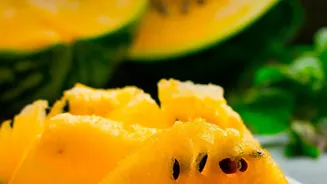







Every summer, after enjoying the sweet, juicy red flesh of a watermelon, most of us are left with a mountain of rind. But what if that part you've been throwing away is actually a versatile, nutritious, and money-saving vegetable in disguise?
The Case for Cooking Rind
The thick,
white layer between the green skin and the red fruit is not only perfectly edible but also packed with potential. In Indian kitchens, where nose-to-tail cooking has been a way of life for generations, using fruit and vegetable peels is a common practice. Cooking with watermelon rind is a fantastic way to reduce food waste and stretch your grocery budget. Instead of buying another vegetable, you can use a part of the fruit you already have. Its texture is crisp, similar to a cucumber or a gourd (lauki/doodhi), and it has a neutral flavour that readily absorbs spices, making it a perfect candidate for a variety of dishes.
A Surprising Nutritional Punch
Beyond the economic and environmental benefits, watermelon rind boasts an impressive nutritional profile. It is a good source of fibre, which aids digestion and can help you feel full for longer. The rind is also lower in sugar than the fruit's flesh. It contains vitamins A, C, and B6, as well as essential minerals like potassium, magnesium, and zinc. One of its most celebrated components is the amino acid citrulline, which is found in higher concentrations in the rind than in the flesh. Citrulline is known to help improve blood flow and may even reduce muscle soreness, making it a valuable addition to your diet.
How to Prepare the Rind
Preparing watermelon rind for cooking is simple. Once you have eaten the red flesh, take the remaining rind and wash it thoroughly. Using a vegetable peeler or a sharp knife, carefully remove the tough, dark green outer skin. This part is edible but can remain tough even after cooking, so it's best to remove it. What you are left with is the firm, white part. You can then chop this white rind into one-inch cubes, slice it into strips like french fries, or even grate it, depending on the recipe you plan to follow. It can be used immediately or stored in the fridge for a few days.
Recipe: Classic Watermelon Rind Sabzi
One of the most popular ways to cook watermelon rind in India is to make a simple and flavourful sabzi or curry. Start by heating oil in a pan and tempering it with mustard seeds, cumin seeds, and a pinch of asafoetida (hing). You can then add grated ginger, chopped green chillies, and sauté for a minute before adding turmeric. Add your chopped watermelon rind and stir-fry for a couple of minutes. Season with salt, red chilli powder, and coriander powder. Cover the pan and let it cook for about 15-20 minutes, or until the rind becomes tender. The rind releases its own water, so you may not need to add any extra. Finish with a squeeze of lemon juice or some amchur (dry mango powder) for a tangy kick and garnish with fresh coriander. This delicious sabzi pairs wonderfully with hot chapatis or as a side with rice and dal.
More Creative Ways to Use Rind
The versatility of watermelon rind doesn't stop at sabzi. You can make a sweet and tangy pickle, known as 'achar', which is a fantastic condiment for any meal. The process often involves brining the rind pieces before mixing them with a blend of spices and oil. Another popular option is to make candied watermelon rind, where the pieces are simmered in a sugar syrup until they become translucent and chewy, similar to the famous Agra petha. You can also add diced rind to lentil stews (dals), incorporate it into stir-fries with other vegetables, or even blend it into soups. Its ability to absorb flavours makes it an exciting and experimental ingredient in the kitchen.