

Sarson (Mustard Greens)
The king of winter greens, sarson is more than just its iconic saag. Its pungent, slightly bitter flavour brings depth to many dishes. While Sarson ka Saag is a must-have, don't stop there. Try finely chopping the leaves and making a Sarson ki Bhurji,
a quick stir-fry with onions, tomatoes, and spices. You can also add it to dal for a nutrient boost or even blend it into a zesty chutney with green chilli and ginger. For a truly unique take, mix it into a yoghurt base to create a flavourful Sarson ki Kadhi.
Gajar (Carrots)
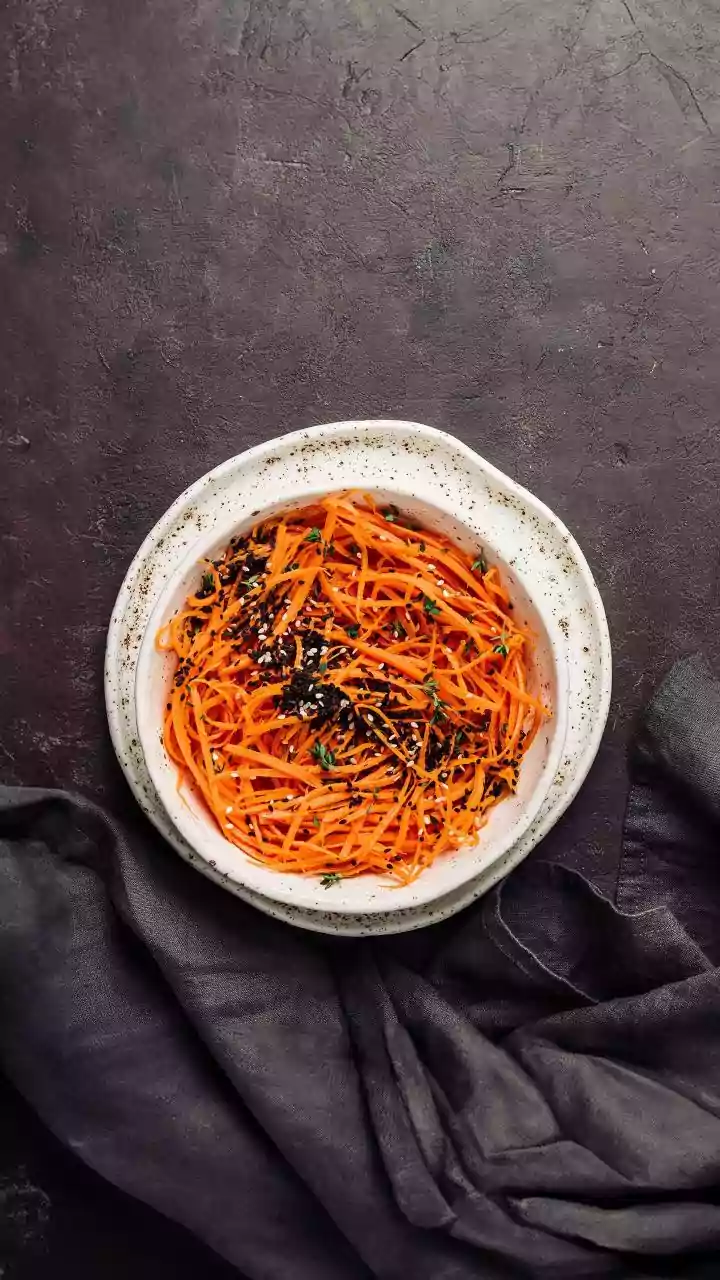
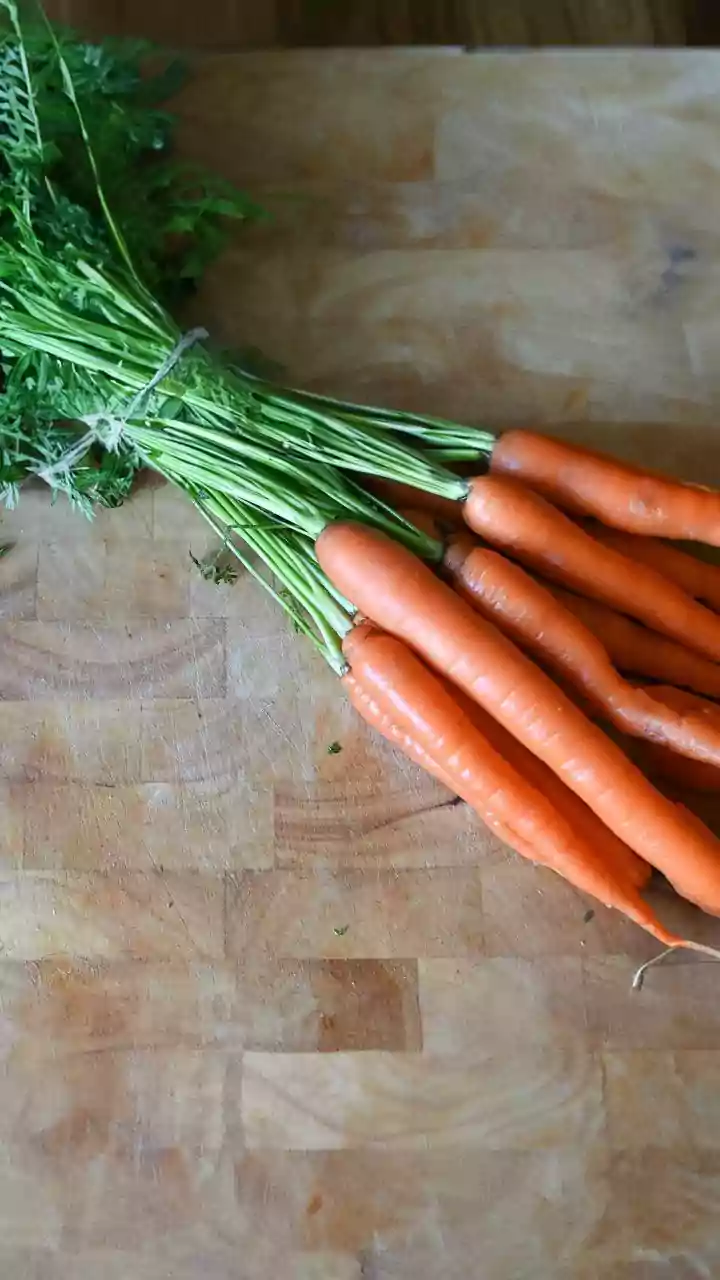
Winter carrots are exceptionally sweet and vibrant, making them a kitchen favourite. The most famous use is, of course, the decadent Gajar ka Halwa, a slow-cooked pudding with milk, ghee, and nuts. But their sweetness also shines in savoury dishes. A simple Gajar Matar Sabzi, combining carrots and peas, is a quick and healthy side dish for any meal. You can also add grated carrots to your regular dal, make a tangy carrot pickle (gajar ka achaar), or simply enjoy them in a fresh, crunchy salad.
Palak (Spinach)
Spinach is available year-round, but winter spinach is particularly tender. It is incredibly versatile and can be incorporated into almost any meal. Beyond the classic Palak Paneer, you can blend spinach into a puree and add it to dal for a wholesome Dal Palak. Another popular option is Aloo Palak, a simple dry stir-fry with potatoes. For breakfast or a light meal, knead spinach puree into your atta to make vibrant green Palak Parathas or Pooris. It can even be the base for a warming soup or a creamy pasta sauce.
Methi (Fenugreek Leaves)
Fresh methi leaves have a unique, slightly bitter taste that is quintessentially winter. Aloo Methi, a dry curry with potatoes, is a staple in many Indian homes. The leaves can be kneaded into dough to make fragrant Methi Theplas or Parathas, perfect for breakfast or travel. For something richer, Methi Matar Malai is a creamy, indulgent curry made with peas and cream. You can also add methi to dals, make crispy pakoras (bhajiyas), or even mix it with chickpeas for Methi Chole.
Mooli (Radish)
The crisp, peppery flavour of mooli is a refreshing addition to winter meals. The most beloved preparation is Mooli ka Paratha, where grated radish is stuffed into flatbreads. But this humble root has much more to offer. You can make a simple Mooli ki Sabzi, a dry or semi-gravy stir-fry. Grated mooli can also be turned into a tangy chutney or a cooling raita. In South India, it is often added to sambar, where it absorbs the flavours beautifully. Even its leaves are edible and can be cooked as a saag.
Shakarkandi (Sweet Potato)
Sweet potatoes are a naturally sweet, starchy, and filling winter vegetable. A popular street food is roasted shakarkandi, which is cubed and tossed with chaat masala and lemon juice. At home, it can be used to make a creamy and satisfying sabzi. For those with a sweet tooth, it can be turned into a halwa or a healthier version of Gulab Jamun. You can also make crispy tikkis or cutlets, or mash it to use as a stuffing for parathas.
Bajra (Pearl Millet)
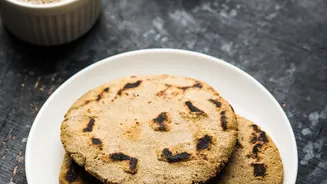
This warming millet is a winter powerhouse, especially in the drier regions of India. Bajra is gluten-free and packed with energy. The most common way to eat it is in the form of Bajra Roti or Bhakri, a dense flatbread often served with a dollop of ghee. It can also be cooked with lentils to make a wholesome Bajra Khichdi, a perfect one-pot meal for a cold night. For a different texture, you can make a hearty porridge (raab), a savoury upma, or even sweet ladoos for a healthy dessert.