

Respect the Altitude, Conquer the Sickness
The number one rule in Spiti is to acclimatise properly. Acute Mountain Sickness (AMS) is a real risk, especially when you ascend quickly. Kaza, Spiti's main town, sits at about 12,500 feet. AMS is not about physical fitness; it can affect anyone. The most
common symptoms include a persistent headache, dizziness, nausea, and fatigue. The 'secret' is patience. Choose the route from Shimla to Kaza, as it involves a gradual ascent over a couple of days, allowing your body to adjust naturally. The Manali-Kaza route, while shorter, forces a rapid climb over high passes like Kunzum La (over 14,900 feet), significantly increasing AMS risk. Spend at least one night in a lower-altitude town like Kalpa or Nako before proceeding to Kaza. Stay hydrated, avoid alcohol, and eat light, carbohydrate-rich meals. If symptoms appear, do not ascend further. Rest, and if they worsen, descend immediately.
Mastering Autumn's Treacherous Roads
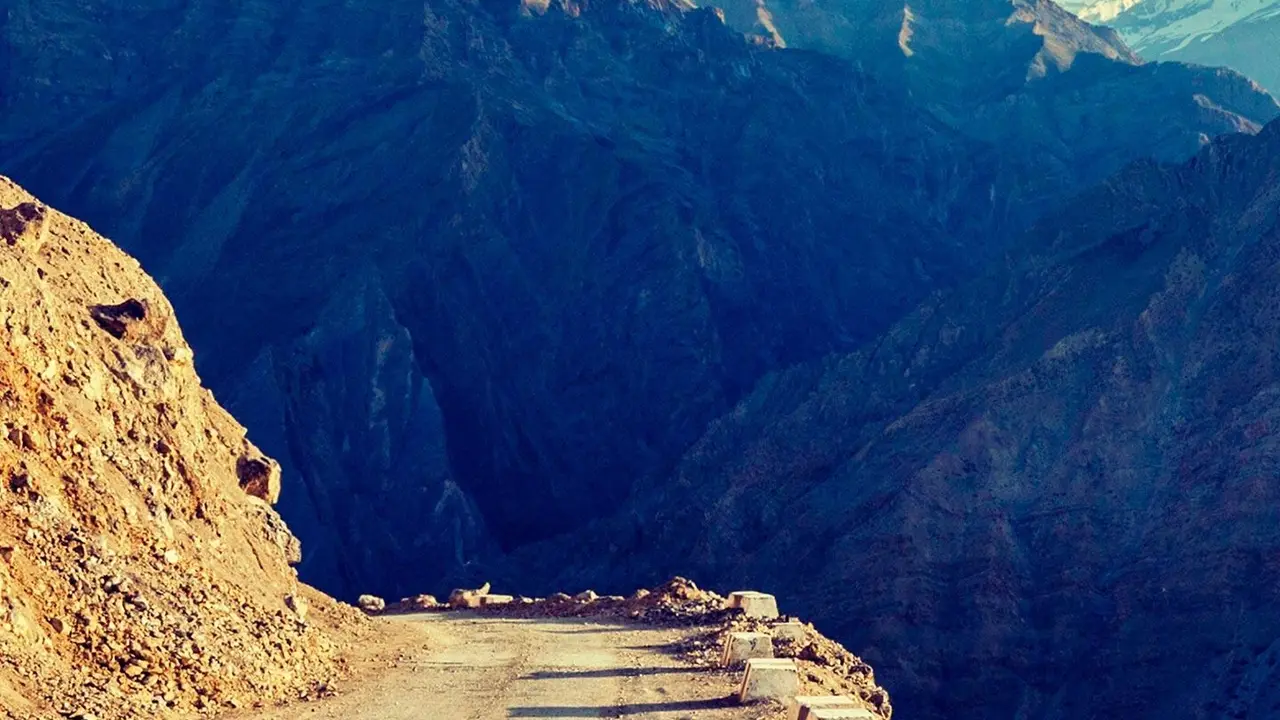
Autumn roads in Spiti are a mix of breathtaking and challenging. While the summer crowds have thinned, the weather becomes unpredictable. During the day, temperatures might be pleasant, but they plummet below freezing at night. This daily freeze-thaw cycle creates black ice, an invisible and treacherous layer of ice on the tarmac, especially in shaded areas and on bridges. Drive slowly, avoid sudden braking, and always start your travel day early to maximize daylight. Night driving is extremely risky and should be avoided due to poor visibility and isolated roads. By late October, the Manali-Kaza highway often closes due to early snowfall at the high passes. The Shimla route via Kinnaur is the more reliable choice for autumn travel. Always check the latest road status from official sources before starting your journey, as conditions can change overnight.
Your Vehicle is Your Lifeline
On a Spiti road trip, your car or bike isn't just transport; it's your survival pod. Before you leave, get your vehicle thoroughly serviced. Pay special attention to brakes, tyres, and the engine. A vehicle with high ground clearance is highly recommended for tackling the rugged terrain and unpaved sections. Fuel is another critical factor. The last reliable fuel pump on the Shimla route is in Reckong Peo. On the Manali side, it's Tandi. Always top up your tank and, if safely possible, carry spare fuel in a jerry can. Running out of fuel between the sparse villages can turn an adventure into a crisis. Also, prepare for punctures by carrying a complete toolkit and a spare tyre. The cold can drain batteries faster, so ensure your vehicle's battery is in good health.
Pack Smart: Layers are Your Best Friend
Packing for Spiti is all about layering. The temperature can swing wildly from a warm 15°C in the sun to below 0°C after sunset. Don't pack bulky woolens; instead, bring multiple layers. Your packing list must include thermal innerwear, a fleece jacket, and a windproof, waterproof outer jacket. These allow you to adapt as the weather changes. Other non-negotiable items include UV-protection sunglasses, high-SPF sunscreen, lip balm, and a woolen cap or beanie. The sun at high altitudes is harsh and can cause severe burns. A well-stocked first-aid kit with medicines for headache, fever, pain, and any personal prescriptions is essential. Remember to consult a doctor about AMS medication like Diamox before your trip.
The Disconnect: Navigating a No-Network Zone
Prepare to be digitally disconnected for large parts of your trip. Outside of main towns, mobile networks are scarce. BSNL and Jio offer the best (but still patchy) connectivity, primarily in Kaza and Tabo. Airtel and Vodafone-Idea have almost no presence in the valley itself. Don't rely on digital payments; cash is king. Withdraw sufficient cash in Manali, Shimla, or Reckong Peo, as ATMs in Kaza are often out of service. The most important secret here is to download offline maps of the entire region on Google Maps or a similar app before you enter the valley. This will be your primary navigation tool. Inform your family and friends of your itinerary and let them know you will be out of contact for extended periods. Carry a high-capacity power bank, as electricity can be intermittent in smaller villages.