


From Soil to Solution
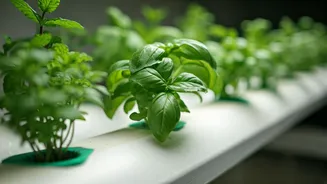
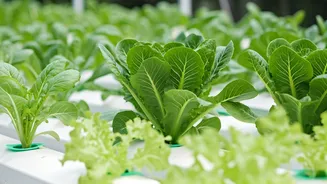
At its core, hydroponics is a method of growing plants in a nutrient-rich water solution instead of soil. By delivering essential minerals like nitrogen and phosphorus directly to the roots, the plant doesn't have to work as hard to find nourishment.
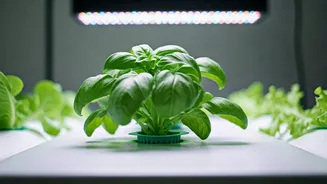
This approach offers several advantages for the home gardener: it can lead to faster growth, reduces the risk of soil-borne pests and diseases, and often uses significantly less water than traditional gardening. For those in apartments or with limited outdoor space, hydroponics provides a clean, efficient way to cultivate everything from herbs to houseplants. The basic components are simple: a container, water, nutrients, a way to support the plants, and a light source.
The Home as a Laboratory
The real magic begins with the control that hydroponics offers. Plant parents are becoming amateur scientists, tweaking variables to see the results. You can create custom nutrient blends, adjusting mineral levels to try and enhance the flavour of herbs or the vibrancy of a flower. Lighting is another frontier for experimentation. By using different spectrums of LED lights, growers can influence everything from a plant's size to its taste; for instance, less blue light can result in milder lettuce, while more can make it spicier. This level of precision turns gardening from a passive activity into an engaging, hands-on experiment where you directly influence the outcome.
Designing with Greenery
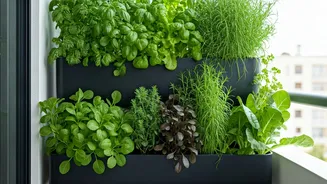
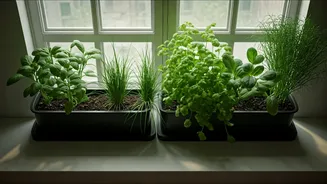
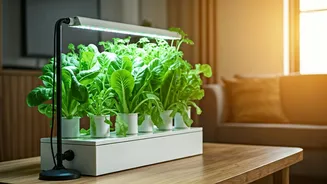
The experimental nature of hydroponics extends to aesthetics and design. Without the constraints of heavy soil and traditional pots, the possibilities for integrating plants into home decor are endless. Vertical wall gardens can turn a blank space into a living tapestry of lettuce and strawberries. Sleek countertop systems make it possible to have a fresh herb garden right in the kitchen. Hobbyists are building their own systems using everything from PVC pipes to recycled bottles, creating functional art pieces. There are even designs for hydroponic coffee tables and bookshelf gardens, blending greenery seamlessly into furniture and making plant care a visual centerpiece of the home.
Beyond Herbs and Lettuce
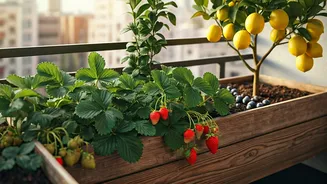
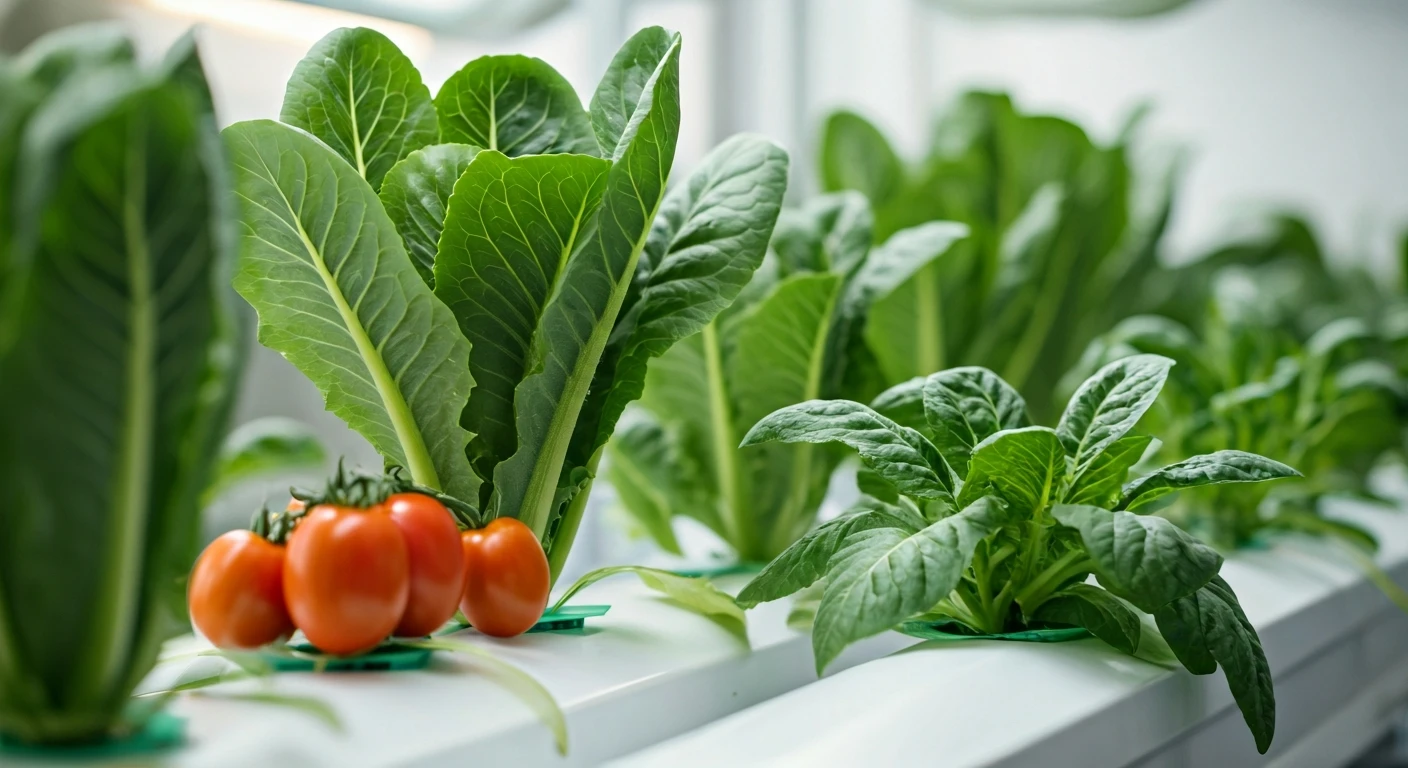
While beginners in India often start with forgiving plants like mint, basil, and spinach, the experimental spirit is pushing growers to try more ambitious projects. Many common houseplants, such as pothos, spider plants, and peace lilies, thrive in water-based setups. This allows for beautiful displays in glass vases where you can watch the root systems develop. Emboldened by their success with leafy greens, home growers are now cultivating flowering plants, vining tomatoes, and even strawberries indoors, enjoying fresh produce year-round regardless of the weather outside. This ability to grow a diverse range of plants outside their typical environments is a huge part of the appeal.
Getting Your Feet Wet
Embarking on a hydroponics journey can seem intimidating, but it's more accessible than ever. Simple DIY methods, like the Kratky method which uses a static container of water without pumps, can be set up for a minimal cost. For those in India, a basic DWC (Deep Water Culture) bucket system can be assembled for a few thousand rupees. The main challenges for beginners often involve managing the pH and nutrient concentration of the water, which can be easily monitored with affordable testing pens. While there's a learning curve, the rewards—faster growth, fewer pests, and the satisfaction of a successful experiment—are convincing a growing number of plant lovers to take the plunge.