

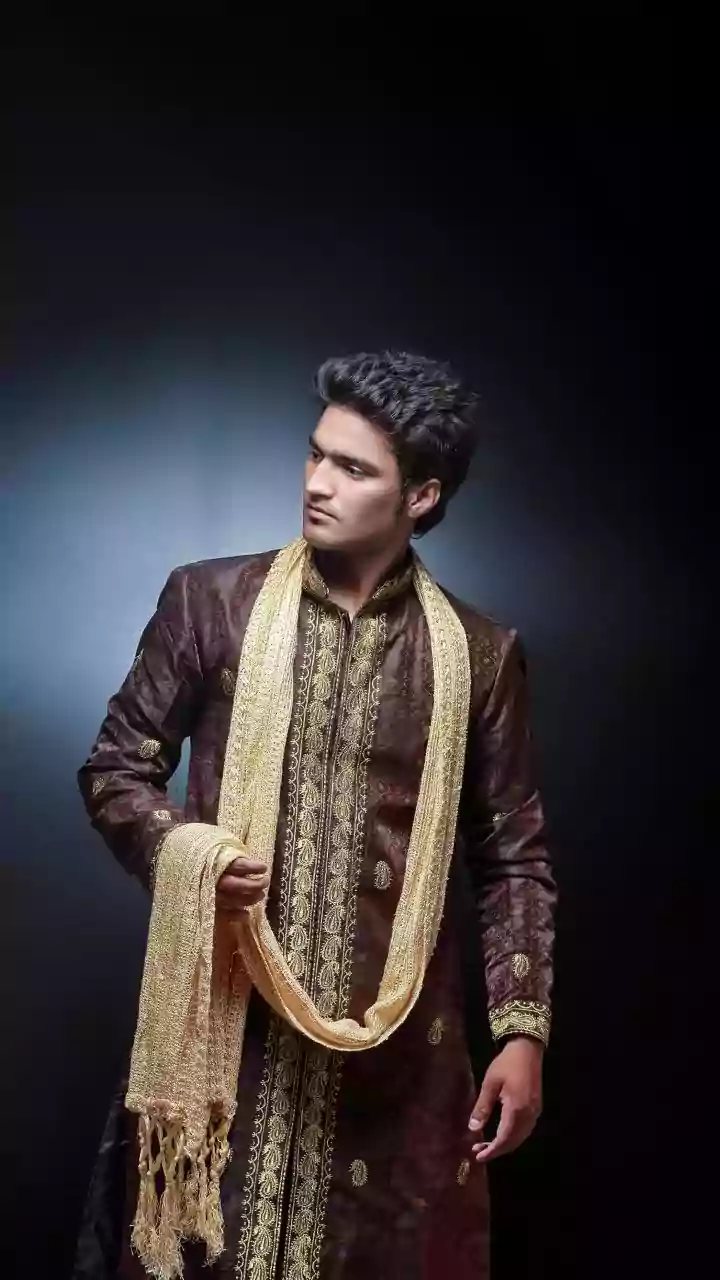


For years, the unwritten rule for many was a new outfit for every new occasion. But a quiet and powerful counter-movement is growing. The rise of repeat-wear fashion suggests a major shift in how Indian consumers think about the value of their clothes.
The End of the 'One-Time Wonder'
The pressure to be seen in a new outfit for every wedding, party, or even just a casual brunch has long been fuelled by fast fashion and social media. This 'use and throw' culture encouraged buying cheaper, trend-driven items that were quickly discarded. Now, a different philosophy is taking hold. Repeat-wear is the conscious decision to wear your clothes multiple times, styling them differently to create fresh looks. It signals a move away from chasing novelty and towards building a wardrobe with longevity. This isn't just about being frugal; it's about a fundamental change in mindset, where sustainability and personal style are becoming more important than having an endlessly rotating closet. More consumers are now seeking meaning and durability in what they buy.
The New Value Calculation: Cost Per Wear
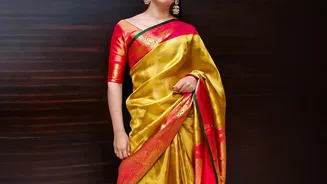
The most significant shift is in how value is measured. Instead of focusing solely on the initial price tag, savvy shoppers are now calculating the 'cost per wear' (CPW). The formula is simple: divide the price of an item by the number of times you plan to wear it. For example, a trendy lehenga bought for ₹4,000 and worn only once has a CPW of ₹4,000. In contrast, a classic, high-quality saree bought for ₹15,000 but worn at ten different events has a CPW of just ₹1,500. This simple math proves that investing in better quality, more versatile pieces is often the more economical choice in the long run. It encourages a move from impulsive consumption to intentional purchases, prioritising items that offer lasting value.
Celebrities Make Repeating Outfits Chic
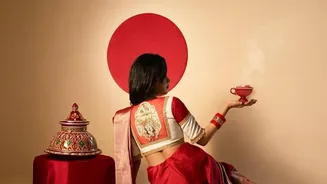
One of the biggest drivers normalising this trend is the influence of Bollywood celebrities. Stars like Deepika Padukone, Alia Bhatt, and Sara Ali Khan are now frequently and proudly seen repeating their outfits, from elegant sarees to casual airport looks. Alia Bhatt even re-wore her wedding saree to accept a National Award, sending a powerful message about cherishing and reusing garments. When style icons demonstrate that repeating clothes is not a fashion faux pas but a chic and confident choice, it dismantles the stigma for everyone else. This visibility has been crucial in showing millions of followers that true style lies in how you wear your clothes, not in how many you own.
Sustainability Meets Personal Style
The repeat-wear trend is deeply connected to a growing environmental consciousness. The fashion industry is one of the world's largest polluters, and Indian consumers, especially younger generations, are becoming more aware of the ecological cost of fast fashion. Choosing to wear clothes for longer reduces textile waste and the demand for resource-intensive production. Beyond sustainability, this movement is also a celebration of personal style. Instead of being dictated by fast-changing trends, people are learning to be creative with their existing wardrobe. Mixing and matching, experimenting with accessories, and layering are skills that define a unique style far more effectively than constantly buying new items. It’s about making fashion personal again.
A Wake-Up Call for Fashion Brands
This consumer shift is a clear signal to the fashion industry. While the value fashion segment remains large, consumers are increasingly seeking quality and longevity even at affordable price points. The demand is not just for cheaper clothes, but for smarter spending. Brands that focus on timeless designs, durable materials, and transparent, ethical production are gaining credibility. Some are leaning into India's rich heritage of handlooms and craftsmanship, which are inherently sustainable and built to last. The future of fashion in India may belong to brands that understand this new definition of value: creating beautiful, well-made clothes that customers will want to wear again and again.