





The Monsoon Travel Dilemma
For many, the dream of a monsoon getaway in the Himalayas involves lush green mountains and misty valleys. The reality, however, can be quite different. From June to September, many popular destinations in Himachal Pradesh, Uttarakhand, and the North
East are drenched by the southwest monsoon. This often leads to torrential downpours, which can trigger landslides, block roads, and bring travel plans to a screeching halt. Rivers swell, visibility drops, and outdoor activities become nearly impossible. While the scenery is undeniably beautiful, the logistical challenges and safety risks associated with travel in these regions during peak monsoon can be significant, forcing many to postpone or cancel their trips.
Welcome to the Rain Shadow
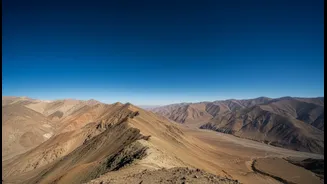
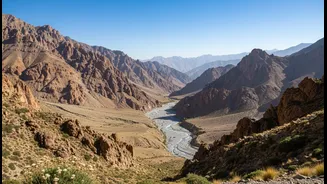
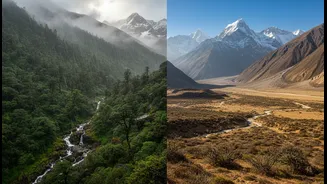
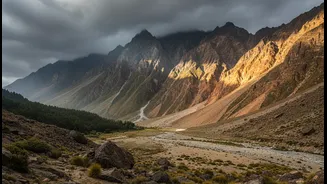
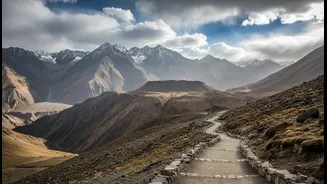
This is where Ladakh and Spiti Valley offer a brilliant alternative. These regions are what geographers call 'cold deserts' located in a rain shadow. The mighty Himalayan ranges to their south act as a massive barrier, blocking the moisture-laden monsoon clouds from reaching them. While the rest of the country experiences heavy rainfall, Ladakh and Spiti remain remarkably dry, receiving less than 10 cm of rain annually. This unique geographical advantage means that July and August, which are peak monsoon months elsewhere, are actually the best time to visit, offering clear blue skies, pleasant daytime temperatures, and open roads.
Ladakh: A High-Altitude Oasis
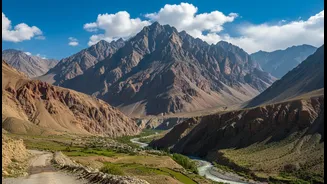
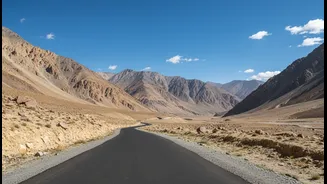
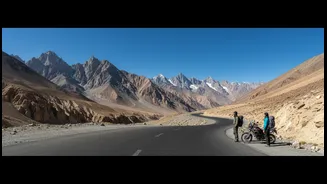
During the Indian monsoon, Ladakh transforms into a vibrant summer paradise. The weather is comfortably warm, with daytime temperatures in Leh hovering around 20-25°C. This is the perfect time to explore the region's dramatic landscapes. You can drive over some of the world's highest motorable passes, like Khardung La, which are fully accessible. The iconic Pangong and Tso Moriri lakes are at their most breathtaking, their blue waters contrasting sharply with the barren mountains. This season is also culturally rich, with several monastic festivals, such as the Hemis Tsechu, taking place. From exploring ancient monasteries like Thiksey and Hemis to enjoying a camel safari in the dunes of Nubra Valley, Ladakh offers a full spectrum of activities without the threat of rain.
Spiti: A World Within a World
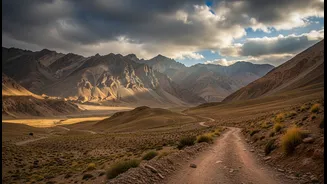
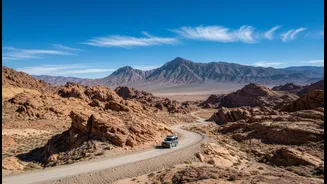
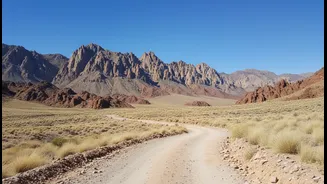
Often called 'Little Tibet', the Spiti Valley offers a different, rawer kind of beauty. Like Ladakh, it remains dry and sunny during the monsoon months. The season is ideal for visiting its ancient, cliff-side monasteries such as Key Gompa and Tabo Monastery, which is a UNESCO World Heritage Site. The clear, pollution-free skies make it one of the best places in the world for stargazing and astrophotography. Travellers can explore high-altitude villages like Komic, Hikkim (home to the world's highest post office), and Langza, getting a glimpse into a unique and preserved way of life. The stark, lunar-like landscapes of Spiti provide a stunning backdrop for road trips and treks, making it a haven for adventurers and photographers.
What 'Landslide-Free' Really Means
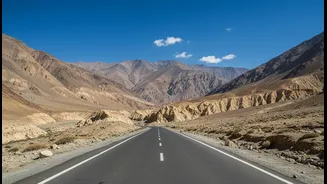
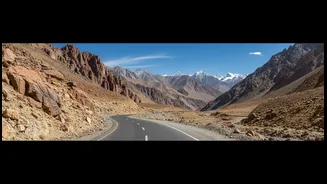
While Ladakh and Spiti themselves are largely free from monsoon-induced landslides, it’s crucial to understand that the journey to get there can be affected. The Manali-Leh Highway and the road from Shimla to Kaza pass through areas that do receive monsoon rains. The lower reaches of these routes, particularly in the Kullu Valley or Kinnaur, can experience landslides and roadblocks. As of mid-July 2026, both the Manali-Leh and Shimla-Kaza routes are open, but travellers should always check the latest road status before starting their journey. Starting drives early in the morning is often advised to cross water crossings before glacial melt increases their flow in the afternoon. Once you are past these initial stretches and into the rain-shadow region, the roads are generally clear and stable.
Planning Your High-Altitude Escape
A trip to Ladakh and Spiti requires some planning. Acclimatisation is key. Both regions are at a high altitude (Leh is at 3,500m), so it's essential to spend the first day or two resting to allow your body to adjust. July and August are peak tourist season, so booking flights and accommodations in advance is highly recommended. When packing, think in layers. While days are warm and sunny, nights can get chilly. Sunscreen, sunglasses, and a hat are non-negotiable due to the strong sun at high altitudes. Most importantly, travel responsibly. These are fragile ecosystems and unique cultures. Respect local customs, minimise your plastic use, and support local businesses to ensure these incredible destinations remain pristine for years to come.