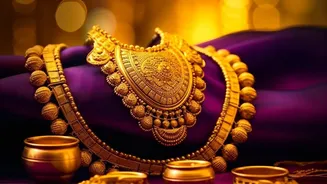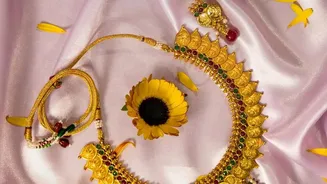

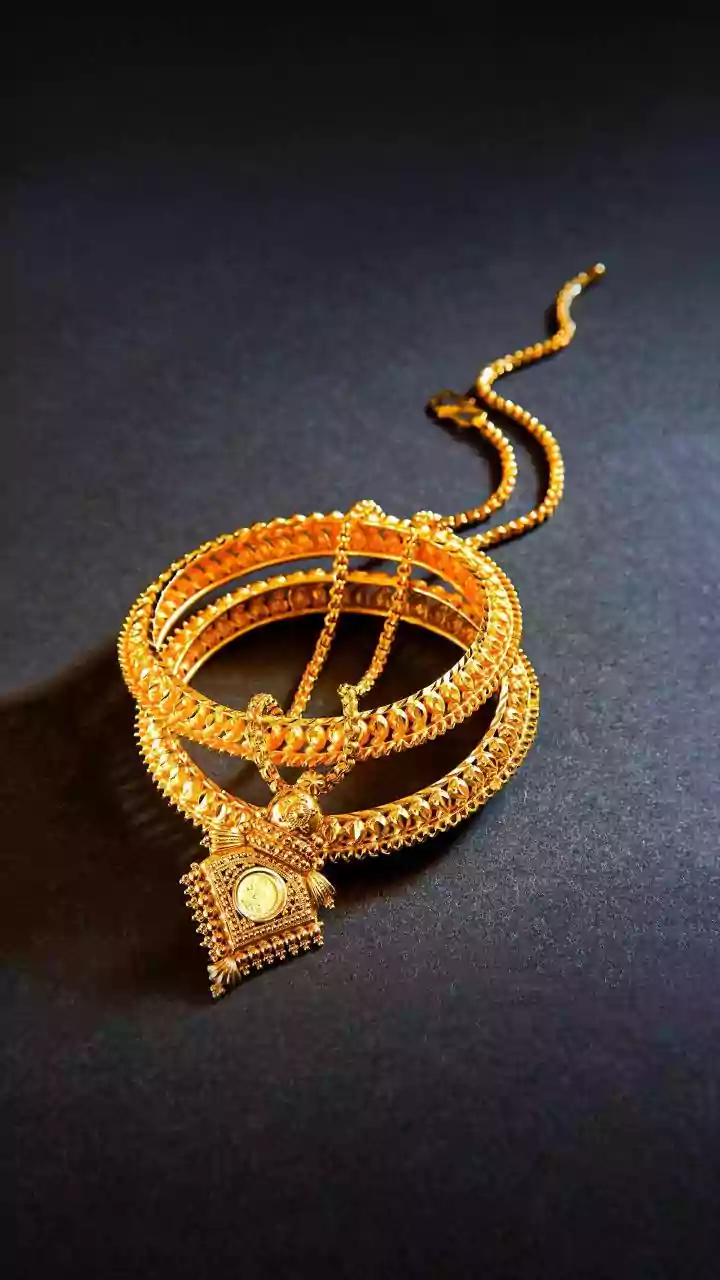
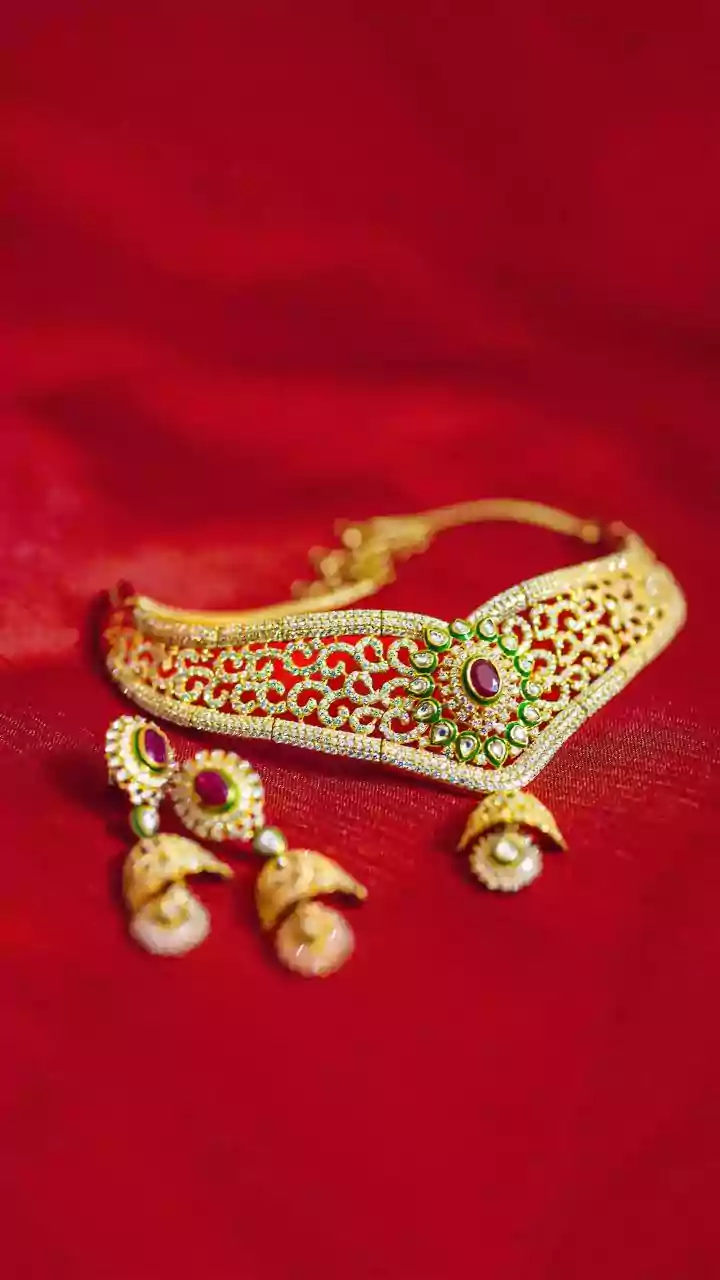
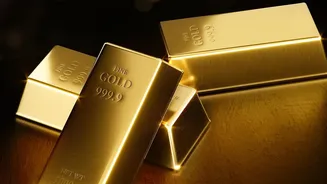


Dhanteras is a time for auspicious beginnings and valuable investments. As you prepare to buy gold, remember that not all exchange offers are created equal. A closer look at how different jewellers value your old gold can lead to significant savings.
The Unspoken Rules of Gold Exchange
Exchanging old jewellery for new pieces is a popular way to upgrade your collection during Dhanteras, which falls on November 6, 2026. However, there are no industry-wide, mandated rules for how jewellers must value your old gold. Each brand sets its own policy, which can dramatically affect the final amount you receive. The value is determined by the net weight of the gold, its purity (karat), the day's market rate, and a series of deductions that vary from one store to another. Understanding these variables is the first step toward getting a better deal. The original purchase price is rarely what you get back, as making charges and taxes are not recovered.
Wastage and Melting Charges Explained
Two of the most common deductions are 'wastage' and 'melting' charges. Wastage accounts for the small amount of gold lost during the manufacturing process of the original piece. These charges can range anywhere from 3% to 35%, depending on the intricacy of the design. Melting charges, typically 1% to 3%, are the costs associated with refining your old jewellery to purify the gold. Some jewellers may waive these fees if you are exchanging jewellery that was originally purchased from them, but apply them to items bought elsewhere. Always ask for a clear breakdown of these charges before agreeing to an exchange, as this is a key area where policies diverge.
The Purity Test: What's Your Gold Really Worth?
Before quoting a price, a jeweller will test the purity of your old gold, usually with a spectrometer or Karatmeter. This confirms whether your 22K jewellery is, in fact, 91.6% pure gold. For non-hallmarked jewellery, the results can sometimes be lower than expected, which will reduce its value. It is crucial that this test is done transparently, in your presence. If you have the original bill and authenticity certificate, it can help streamline the process and ensure you are credited for the correct purity, especially if you're returning to the original jeweller.
The Problem with Studded Jewellery
If your old jewellery contains diamonds, emeralds, pearls, or other gemstones, the exchange process becomes more complex. Most jewellers will not offer any value for semi-precious stones and will simply remove them and return them to you. For diamonds and precious stones, some may offer a percentage of their original value, but this is often much lower than what you paid. Typically, the weight of all stones and other non-gold components is deducted from the total weight of the piece before the gold is valued. This means you're only getting paid for the net weight of the gold, a factor that can significantly lower the exchange value of ornate, stone-heavy pieces.
Exchange vs. Buy-Back: Know the Difference
It's important to distinguish between an exchange and a buy-back policy. An exchange involves trading your old gold for new jewellery from the same store, where you get credit toward the new purchase. A buy-back is when the jeweller purchases your old gold for cash. Generally, you receive a better value through an exchange than a cash buy-back. Some brands offer 100% value on the net gold weight for exchanges but may deduct a percentage for buy-backs. If your goal is to acquire a new piece, an exchange is usually the more financially sound option. If you need liquidity, a buy-back is the answer, but be prepared for a lower return.
Your Smart Buyer's Checklist
To ensure you get the best possible value this Dhanteras, follow a simple checklist. First, gather any original invoices or certificates for the jewellery you plan to exchange. Second, get quotes from at least three different reputable jewellers to compare their final offer after all deductions. Ask each one to provide a detailed written breakdown of the valuation, including the gold rate used, the net weight, and all applicable charges. Finally, don't feel pressured to make a decision on the spot. A transparent jeweller will give you the time and information you need to make an informed choice.