



Why Humidity is a Silent Threat
Heat combined with high humidity is a significant problem for pets. Unlike humans who sweat through their skin, dogs cool themselves primarily by panting, while cats rely on grooming and limited sweat glands in their paws. When the air is thick with moisture,
the process of evaporation, which is essential for panting to be effective, slows down dramatically. This means your pet's natural cooling system can't keep up, causing their internal body temperature to rise to dangerous levels even when they are indoors. High humidity also fosters an environment for skin infections and irritations, as moisture gets trapped in your pet’s fur.
Spotting the Subtle Signs of Overheating
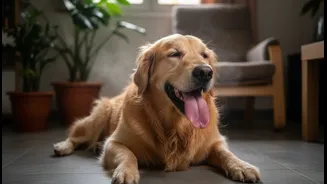
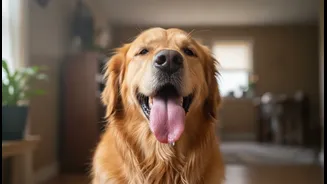
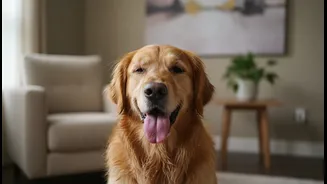
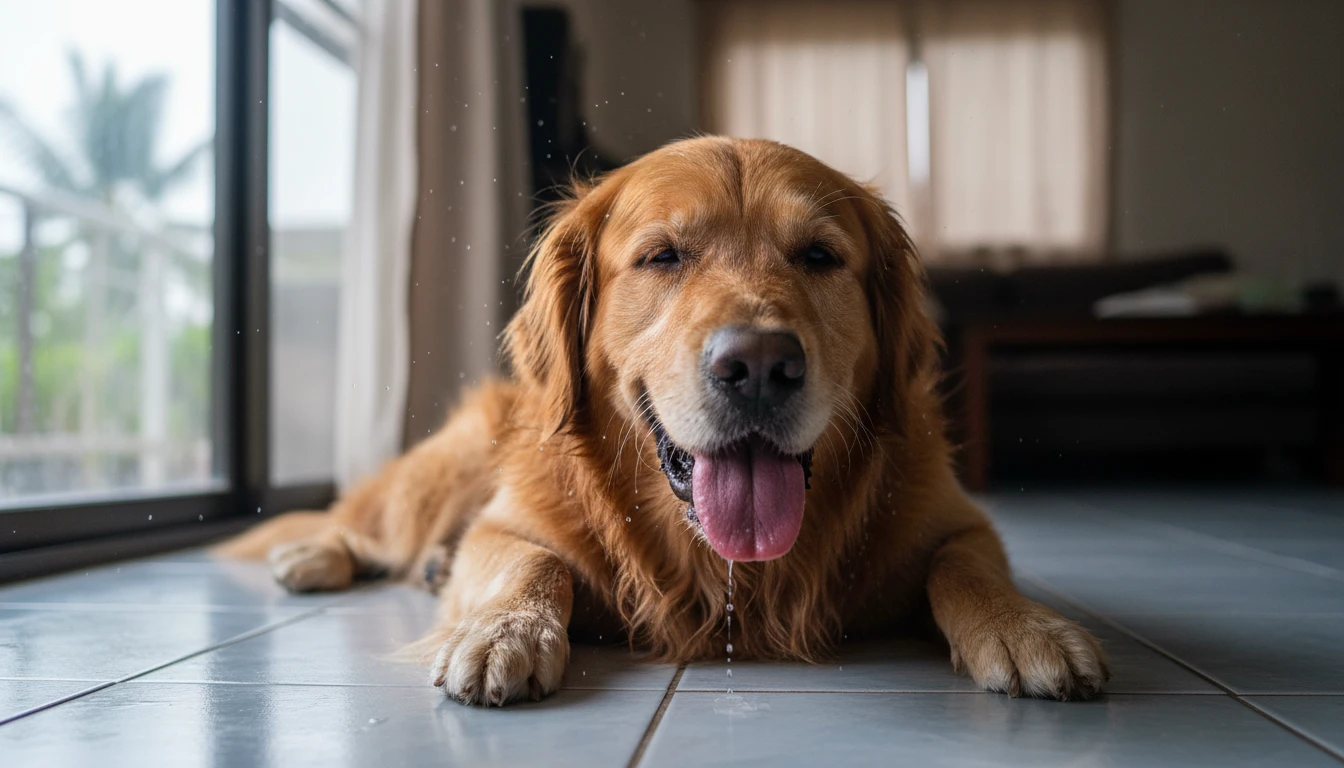
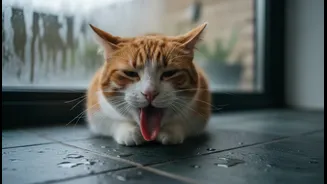
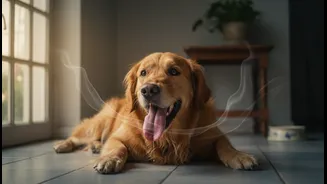
The initial signs of overheating can be easy to miss. Early symptoms include excessive panting, restlessness, and increased drooling. You might notice your dog pacing or your cat seeking out cool surfaces like tile floors. As the condition worsens, you may see bright red or pale gums, weakness, lethargy, or a reluctance to move. In cats, the signs can be even more subtle; open-mouthed breathing is a serious red flag. More severe symptoms that require immediate veterinary attention include vomiting, diarrhea, disorientation, stumbling, collapse, or seizures.
Is Your Air Conditioning Enough?
While air conditioning is a crucial tool, it isn't a guarantee of safety. A thermostat set to a comfortable temperature for humans, around 75-78°F, is a good starting point. However, poor ventilation can create hot spots in a home, and pet hair can clog filters, reducing the system's efficiency. Furthermore, if the AC unit isn't effectively dehumidifying the air, your pet may still struggle to cool down. It's important to ensure your HVAC system is well-maintained and that air is circulating properly. Never assume an air-conditioned room is automatically safe without considering humidity and airflow.
Proactive Cooling Strategies
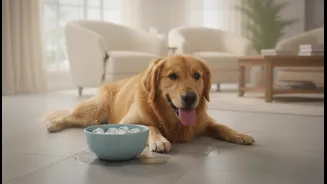
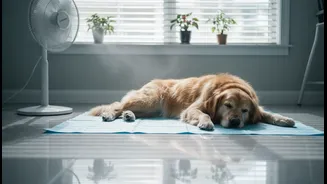
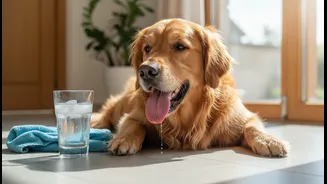
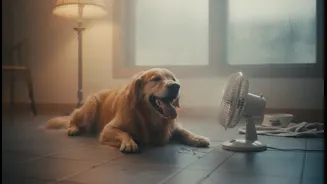
The best approach is a multi-layered one. Always ensure your pet has constant access to fresh, cool water; consider placing multiple water bowls throughout the house. Using fans can help circulate air, which aids the evaporative cooling process from panting, but they are less effective on their own since pets don't sweat like people. A dehumidifier can be an excellent addition to help manage indoor moisture levels, making it easier for your pet to self-regulate their temperature. You can also provide cooling mats or beds, which offer a dedicated cool surface for your pet to rest on. Frozen treats, like broth frozen in ice cube trays or a frozen Kong toy, can also help your pet cool down from the inside out.
Create a Dedicated 'Cool Zone'
Designate a specific area in your home as a safe, cool retreat for your pet. This could be a tiled room like a bathroom or laundry room, or a spot in the basement that stays naturally cooler. Enhance this zone with a fan, a cooling mat, and a fresh water bowl. This gives your pet a place to go when they feel themselves getting too warm. For pets that spend any time outdoors, ensure there is ample shade from trees or a covered patio, as a doghouse can trap heat and become dangerously hot. Limiting outdoor exercise to the cooler early morning or late evening hours is also critical.