



Understanding the Sattvik Philosophy
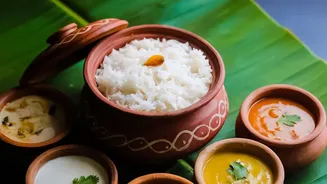
Rooted in ancient Ayurvedic and yogic principles, a Sattvik diet is centred on foods that are pure, clean, and full of 'prana' or life energy. The word 'Sattva' itself means purity, harmony, and balance. The philosophy is simple: eat fresh, natural, and minimally
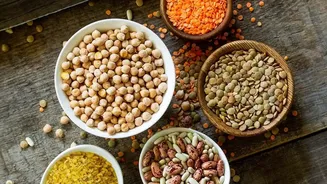
processed foods that nourish the body and calm the mind. This means a diet rich in fresh fruits, seasonal vegetables, whole grains, legumes, nuts, and seeds. It avoids anything that is overly stimulating (rajasic) or that causes lethargy (tamasic), such as fried foods, refined sugar, processed items, onions, and garlic. The goal is to promote physical health, mental clarity, and overall well-being.
Fasting and Your Digestive System
During fasting, your digestive system gets a much-needed break. This period of rest allows the body to focus on cellular repair and detoxification. However, what you eat before and after your fasting periods is crucial. Breaking a fast with heavy, oily, or processed foods can shock your system, leading to bloating, acidity, and discomfort. This is where Sattvik cooking comes in. Its emphasis on light, easy-to-digest foods ensures that your digestive system is not overburdened. It works in harmony with the body’s natural cleansing process, making the fasting experience more effective and comfortable.
How a Sattvik Diet Supports Gut Cleansing
Sattvik foods are inherently gut-friendly. They are typically high in fibre, which aids digestion, prevents constipation, and helps maintain a healthy gut microbiome. Fresh vegetables and fruits provide essential vitamins, minerals, and antioxidants that reduce inflammation and support overall health. Simple cooking methods, like steaming or light sautéing, preserve nutrients, unlike heavy frying. Spices used in Sattvik cooking, such as ginger, cumin, coriander, and turmeric, are known for their digestive benefits. Ginger, for instance, stimulates digestive fire ('agni'), while cumin and coriander can help reduce gas and bloating. This gentle approach helps detoxify the body by flushing out toxins ('ama') without causing stress to your digestive tract.
Key Fasting Foods and Their Benefits
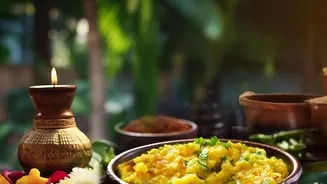
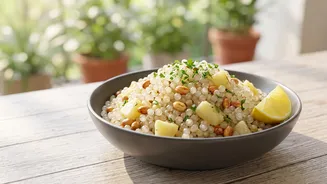
Many traditional Indian fasting staples are naturally Sattvik and offer incredible health benefits. Kuttu ka atta (buckwheat flour) and singhara atta (water chestnut flour) are gluten-free, high in fibre, and help keep you full for longer. Samak ke chawal (barnyard millet) is a light and nutritious alternative to regular rice, often used to make khichdi that is easy on the stomach. Sabudana (sago) provides a quick source of energy, while makhana (fox nuts) are a low-calorie, high-protein snack. Fruits, milk and curd, and root vegetables like potatoes and sweet potatoes form the backbone of a fasting diet, providing sustained energy and essential nutrients. Using sendha namak (rock salt) instead of regular salt is also a key part of this diet, as it is less processed and considered cooling for the body.
Practical Tips for a Healthy Festive Fast
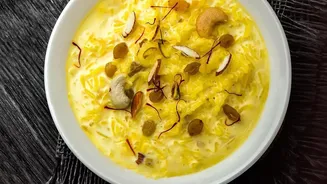
To make the most of your fast, focus on simplicity and mindfulness. Stay well-hydrated by drinking plenty of water, coconut water, and herbal teas. Instead of reaching for packaged 'vrat-friendly' chips and snacks, which are often fried and processed, opt for roasted makhana, fresh fruits, or a handful of nuts. Prepare simple meals like sabudana khichdi, fruit chaat, or a light vegetable curry with samak rice. A bowl of dahi (curd) or a glass of chaas (buttermilk) can be incredibly soothing for the gut and aids digestion. Most importantly, listen to your body. Fasting should be a rejuvenating experience, not a stressful one. Eating light, clean, Sattvik food helps ensure you feel energetic and clear-headed throughout the festive period.