



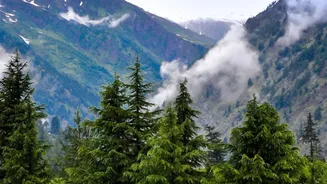
Why Visit in the Monsoon?
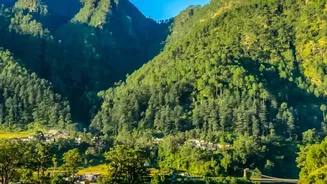
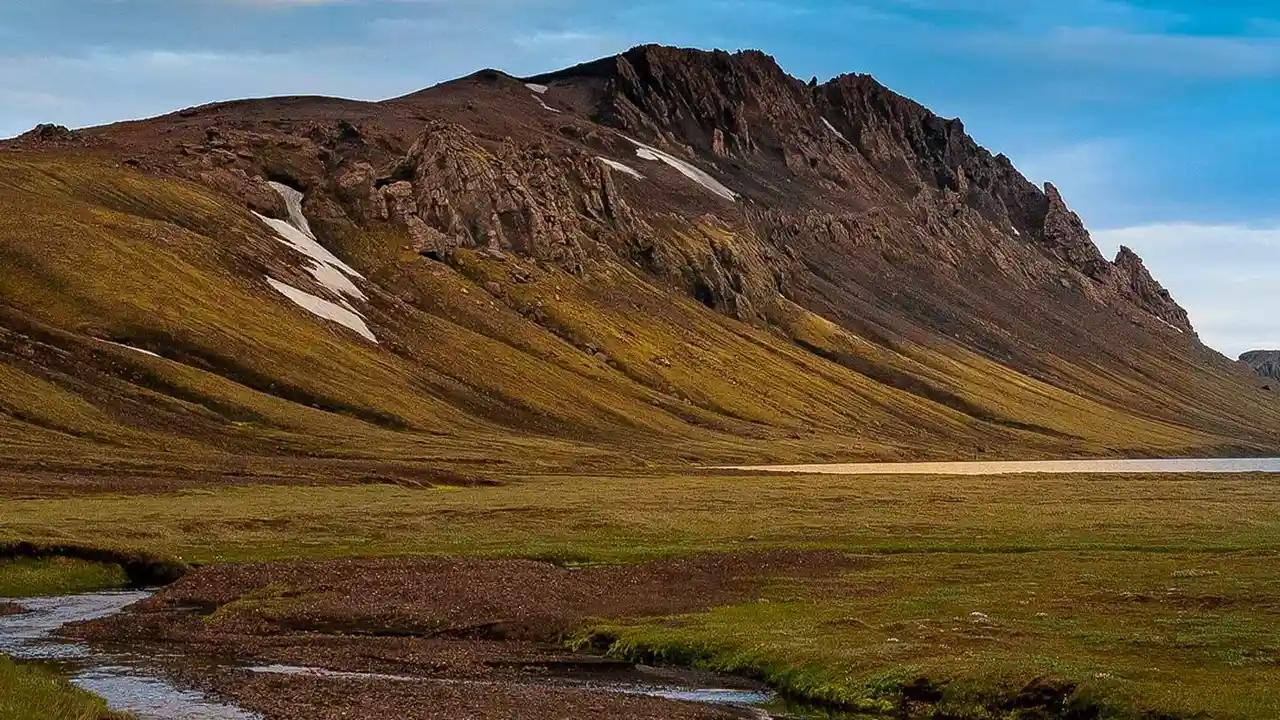
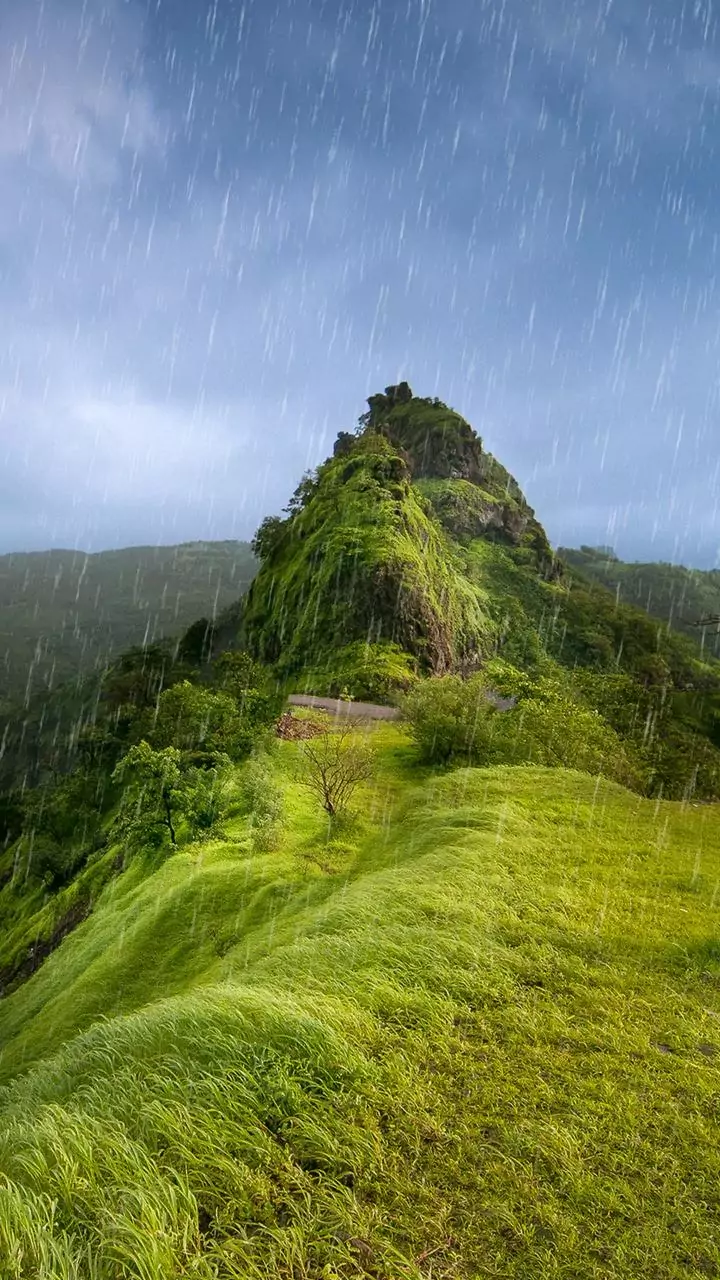
While many travellers avoid the hills during the rains, the monsoon season (July to September) is when Shoja and Tirthan Valley reveal their most enchanting side. The landscape transforms into a vibrant, emerald paradise, with waterfalls at full flow
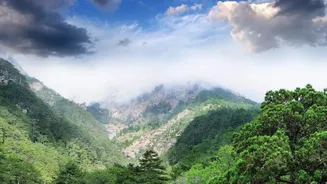
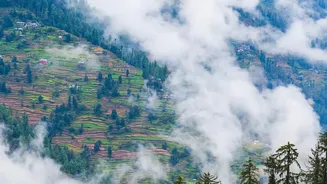
and rivers singing a powerful tune. The air is fresh, the forests are lush, and a mystical layer of mist often blankets the valleys, creating a cinematic and peaceful atmosphere. It’s the perfect time for those who wish to slow down, disconnect from city chaos, and enjoy the mountains without the peak-season crowds. For remote workers, many stays now offer reliable Wi-Fi and power backup, making it possible to combine work with tranquil mountain living.
Tirthan Valley: Riverside Serenity
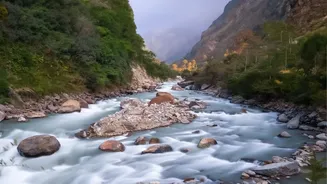
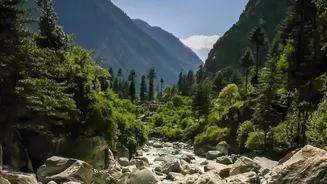
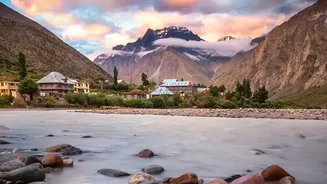
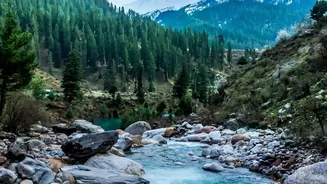
Nestled along the banks of the pristine Tirthan River, this valley is a designated UNESCO World Heritage site, forming part of the Great Himalayan National Park. Unlike commercial hubs like Manali or Shimla, Tirthan remains relatively untouched, offering a more authentic Himachali experience. The monsoon swells the river and breathes life into the surrounding apple orchards and dense forests. Stays here often consist of traditional wooden homestays and charming guesthouses that offer stunning river views. The sound of the flowing river becomes a constant, calming soundtrack to your retreat. Activities are simple and centred around nature: take leisurely walks along the riverbank, try your hand at trout fishing (permits required), or hike to nearby waterfalls like Chhoie Waterfall.
Shoja: A Quiet Hamlet in the Clouds
Situated at a higher altitude of around 2,700 metres, Shoja is even quieter and more secluded than Tirthan. This tiny village, surrounded by dense deodar and oak forests, is for those who truly seek solitude. During the monsoon, Shoja feels like a sanctuary enveloped in clouds. The main draw here is the profound silence and proximity to nature. You can spend your days reading on a balcony with panoramic views, walking through misty woods, or simply sipping hot tea while watching the clouds drift by. The stays are mostly intimate homestays and a few rustic lodges that prioritize peace over luxury.
Finding Your Perfect Green Stay
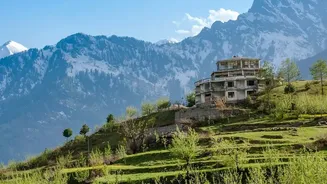
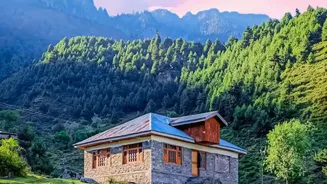
The region is celebrated for its homestay culture, which provides an intimate glimpse into local life. In Tirthan, look for riverside properties that allow you to relax by the water. Many family-run guesthouses offer delicious, home-cooked Himachali meals that are a highlight in themselves. In Shoja, the stays are often smaller, offering unparalleled peace and quiet. You'll find traditional 'kathkuni' architectural styles, with stone and wood structures that blend seamlessly into the landscape. Boutique stays and eco-cottages are also becoming popular, offering comfort while retaining a connection to nature. It’s advisable to book in advance, especially for weekends.
Monsoon Activities and Essential Precautions
The monsoon calls for a slower pace. The best activities are the simplest: forest walks, reading, café hopping in the nearby village of Jibhi, and exploring ancient structures like the Chehni Kothi tower. However, safety is paramount during this season. Roads can be slippery, and the region is prone to landslides, so it's crucial to check weather forecasts and road conditions before you travel. Higher-altitude treks to places like Jalori Pass and Serolsar Lake should only be attempted if the weather is clear and local guides advise it is safe. Always pack waterproof jackets, wear shoes with good grip, carry essential medicines, and keep a buffer day in your itinerary for potential travel delays.