





Visas: The First Hurdle
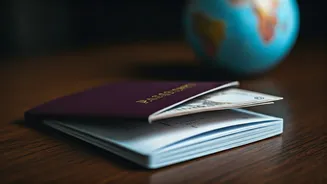
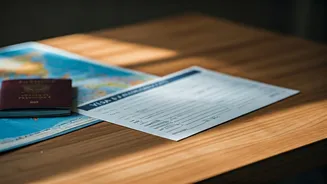
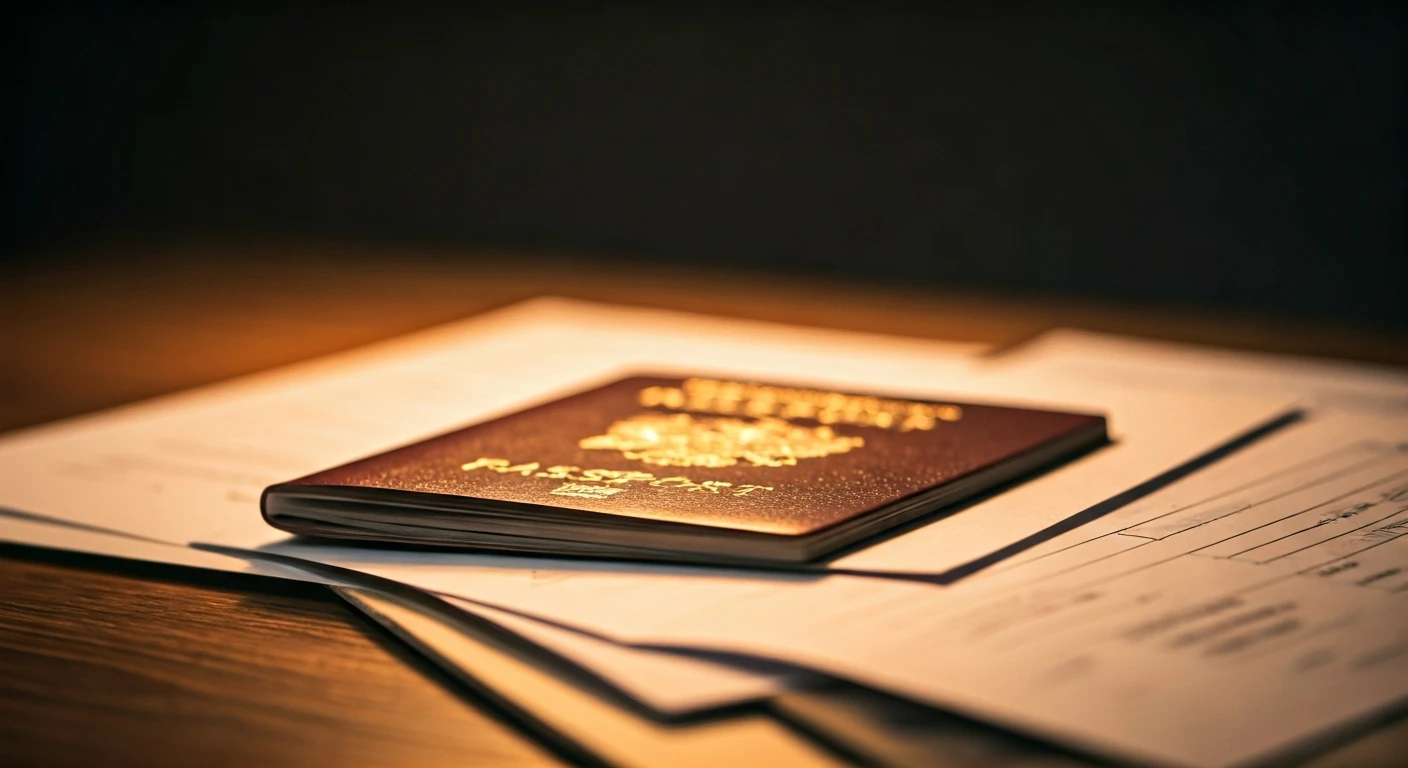
Your first major point of difference is documentation. For the UAE, many Indian passport holders can secure a visa with relative ease. If you hold a valid visa or residence permit from the US, UK, or EU (among others), you may be eligible for a visa on arrival.
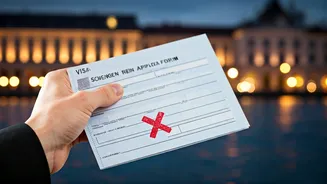
For everyone else, a pre-arranged electronic visa, often facilitated by airlines or travel agents, is the standard route and is typically processed within a few working days. Japan, on the other hand, requires more foresight. There is no visa-on-arrival for Indian citizens. You must apply for a visa in advance through designated application centres or via the JAPAN eVISA system, which still requires processing through an accredited agency. The process is meticulous and document-driven, demanding a detailed day-by-day itinerary, confirmed flight and hotel bookings, and proof of sufficient funds. It's advisable to start this process at least four to six weeks before your planned departure to avoid any last-minute stress.
Budget: Glamour vs. Value
The financial preparation for these two destinations is vastly different. A trip to the UAE, particularly Dubai, can easily lean towards luxury. While budget options exist, the city's identity is intertwined with high-end shopping, fine dining, and exclusive experiences, which can quickly inflate your budget. A mid-range trip can cost anywhere from ₹65,000 to ₹1,20,000 for a few days. Conversely, Japan is often perceived as expensive but can offer surprising value, especially with the yen's recent performance. Smart planning makes it very manageable. A daily budget for a mid-range traveller might fall between ₹5,000 and ₹7,000. This can cover comfortable business hotels, incredible food from local eateries and convenience stores, and extensive travel on public transport. The key is to leverage affordable options like prepaid IC cards for local travel and to enjoy the high-quality, low-cost food widely available.
Culture: Modesty vs. Formality
Navigating social norms is critical for a smooth trip. The UAE's culture is rooted in Islamic tradition. This translates to an emphasis on modest dress, especially in public spaces and religious sites. Shoulders and knees should generally be covered. Public displays of affection beyond holding hands are frowned upon and can lead to serious consequences. While tourist zones are more relaxed, a respectful approach to local customs is always appreciated. Japan operates on a complex system of social etiquette focused on harmony and respect for others. Politeness is paramount. Key rules include being quiet on public transport, not eating while walking, and understanding bowing as a sign of respect. There is no tipping. Chopstick etiquette is important; for instance, never stick them upright in a bowl of rice. You will also be expected to take your shoes off frequently when entering homes, temples, and traditional restaurants.
Packing: Beating the Heat vs. Layering Up
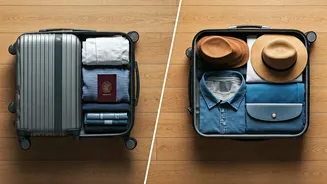
Your suitcase for the UAE should be filled with lightweight, breathable fabrics like cotton and linen to combat the desert heat. Include modest clothing options—long skirts, trousers, and tops with sleeves—for visiting public or religious sites. A hat, sunglasses, and a strong sunscreen are non-negotiable. Don't forget a light jacket, as indoor spaces like malls and cinemas are often heavily air-conditioned. For Japan, layering is the key. Weather can be variable, and you'll be doing a lot of walking. Pack comfortable shoes—ones that are easy to slip on and off are a bonus due to the cultural norm of removing footwear indoors. Depending on the season, you'll need anything from a light jacket to a warm coat. It's also wise to pack a small, quick-drying hand towel, as many public restrooms don't have paper towels or hand dryers. A reusable bag is also useful for small purchases.
Getting Around: Cars vs. Trains
Transportation in the UAE's major cities like Dubai and Abu Dhabi is largely car-centric. Taxis and ride-sharing services like Uber and Careem are abundant, affordable, and the most common way for tourists to get around. While Dubai has an efficient and clean Metro system, its reach is not as comprehensive as you might need, making taxis a frequent necessity. Japan is the complete opposite. It boasts one of the world's best public transportation networks, and trains are the star of the show. The Shinkansen (bullet train) makes long-distance travel between cities like Tokyo and Kyoto incredibly fast and efficient. Within cities, subways and local trains are punctual, clean, and cover vast areas. For most tourists, renting a car is unnecessary and often more hassle than it's worth in urban areas. Instead, an IC card like Suica or Pasmo is your best friend for tapping in and out of local transport seamlessly.