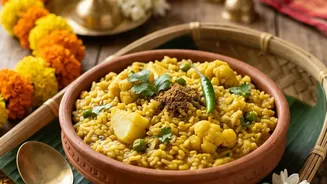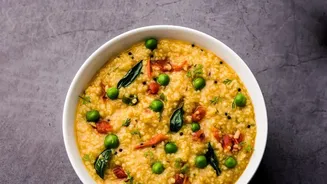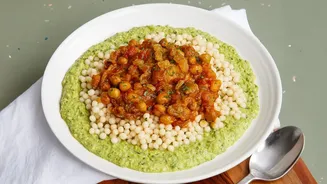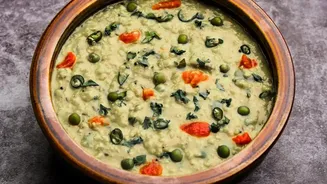

Dalia and khichdi are cornerstones of comfort food in India, often reached for when seeking a 'light' or 'healthy' meal. But to truly understand which is better for you, we need to look past the weight-loss labels and into the bowl itself.
The Whole Grain Powerhouse: Dalia
Dalia, or broken
wheat, is a minimally processed whole grain. Its main claim to fame is its high fiber content. A 100-gram serving of dry dalia can contain around 10 to 12 grams of dietary fiber. This fiber is crucial for several reasons: it promotes a feeling of fullness, aids digestion, and helps prevent constipation. This high fiber content is what makes dalia a fantastic choice for weight management, as it keeps you feeling satiated for longer, reducing the urge to snack. Furthermore, dalia generally has a low glycemic index (GI), often cited as around 41. This means it releases sugar into the bloodstream slowly, providing sustained energy without causing sharp spikes, making it a preferred option for individuals managing their blood sugar levels.
The Perfect Pairing: Khichdi
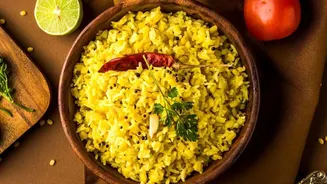
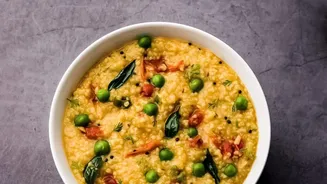
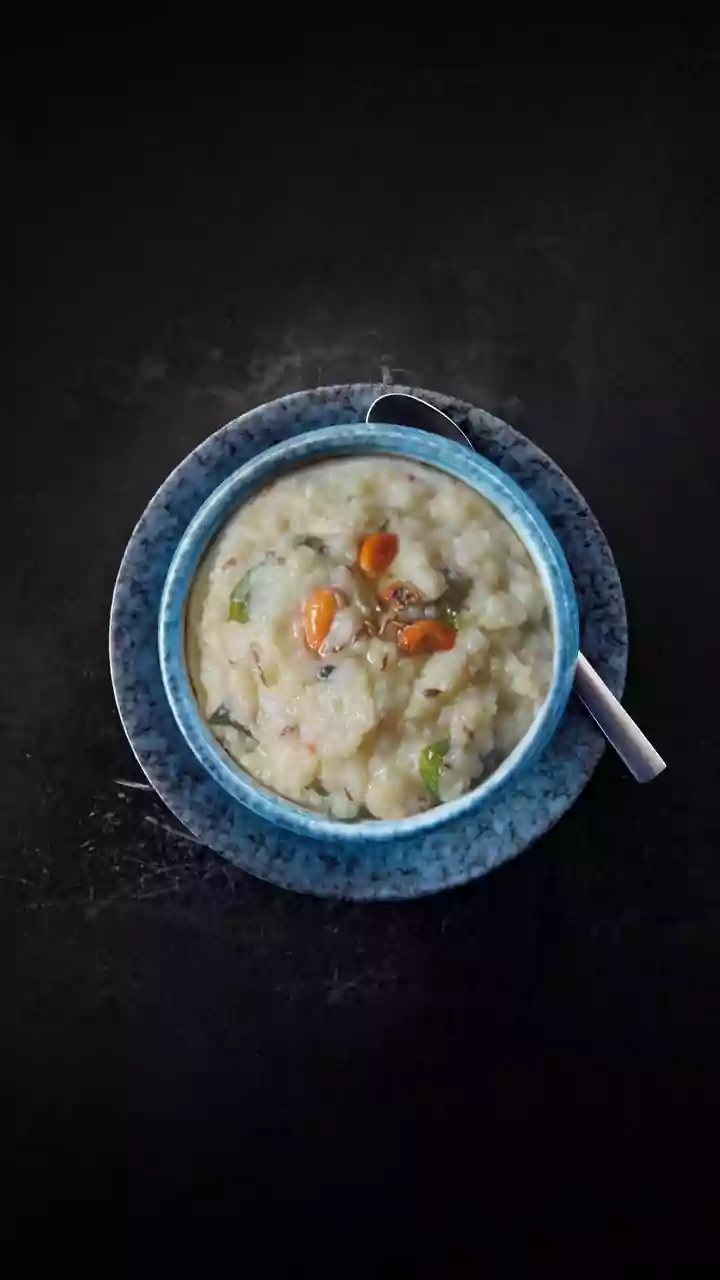
Khichdi is a versatile one-pot meal, traditionally made from rice and lentils (most commonly moong dal). Its greatest nutritional strength lies in the combination of these two ingredients. Rice and lentils have complementary amino acid profiles; rice is low in lysine but high in methionine, while lentils are rich in lysine but low in methionine. When eaten together, they form a 'complete protein', providing all nine essential amino acids that the body needs for muscle repair and growth. This makes khichdi an excellent plant-based source of high-quality protein. Khichdi is also renowned for being exceptionally easy to digest, which is why it’s a go-to meal during illness or for those with a sensitive gut.
The Fiber Factor
When it comes to dietary fiber, dalia is the undisputed champion. As an unprocessed whole grain, it retains its bran and germ, which are packed with fiber. This insoluble fiber adds bulk and promotes regular bowel movements. While khichdi does contain fiber from lentils, the amount is generally lower than in a comparable portion of dalia, especially if made with polished white rice. For anyone specifically looking to increase their fiber intake for better digestion and longer-lasting fullness, dalia is the stronger choice.
The Protein Puzzle
Here, the tables turn in favor of khichdi. While dalia does contain a good amount of protein for a cereal (about 11g per 100g), it is not a complete protein on its own. Khichdi, however, provides a complete protein profile thanks to the synergy between rice and dal. This is particularly important for vegetarians, people looking to build muscle, and for overall tissue repair. A single bowl of moong dal khichdi can provide a significant amount of complete protein, making it a more balanced meal in this regard.
The Real Decider: Your Preparation
The headline says it all: the choice should be based on ingredients, not just the name of the dish. The nutritional profile of khichdi changes dramatically based on how it's made. Using brown rice or millets instead of white rice will increase its fiber content and lower its glycemic index. Adding a variety of vegetables like carrots, peas, and spinach boosts its vitamin and mineral content. The amount and type of fat used—a spoonful of ghee versus a larger quantity of oil—also makes a huge difference. Similarly, dalia can be made into a sweet, high sugar porridge or a savory, vegetable laden upma. What you add to the base ingredient is what truly defines its health quotient.
Making the Right Choice for You
So, which one should you choose? There is no single winner. Your choice depends entirely on your personal health goals. For sustained energy and blood sugar management, dalia's low GI and high fiber content make it an excellent option. If you need a post workout meal or are focused on getting complete protein from a plant based source, khichdi is the superior choice. For days when your digestion feels weak or you're recovering from an illness, the simple, easy to digest nature of a basic moong dal khichdi is unparalleled.