



The Hidden World of Konkan's Mangroves
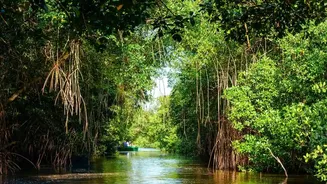
Stretching along Maharashtra's coastline, the Konkan region is a treasure of biodiversity. Its mangrove forests, found in the quiet backwaters of rivers like the Vashishti and Karli, are more than just a beautiful sight. These remarkable ecosystems are natural
fortresses, protecting coastal communities from storm surges and erosion. Their tangled root systems act as nurseries for countless species of fish and crustaceans, forming the base of the marine food chain and supporting local livelihoods. Home to over 20 species of mangrove trees, these forests also attract a stunning variety of birdlife, including kingfishers, egrets, and herons, making them a paradise for nature lovers.
The Unseen Damage from Motorized Boats
While exploring these backwaters is a popular activity, the choice of vessel matters immensely. Motorized boats, though common, pose a significant threat to the delicate balance of shallow estuaries. The powerful wakes generated by motorboats erode shorelines, undercutting and damaging the very root systems that hold the coast together. In shallow waters, propellers can churn up the seabed, increasing water turbidity which clouds the water and harms submerged aquatic plants by blocking sunlight. This direct contact can also cut and uproot sensitive seagrass and mangrove roots. Furthermore, motorboats introduce pollutants like fuel and oil, while their engine noise disrupts wildlife, scaring away the very creatures tourists hope to see.
Paddling with Purpose: The Gentle Alternative
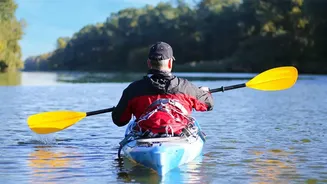
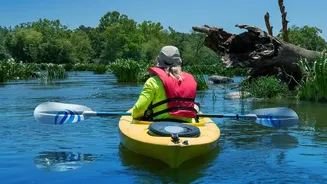
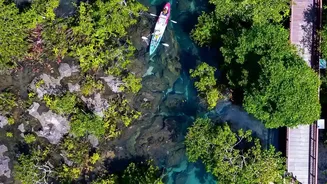
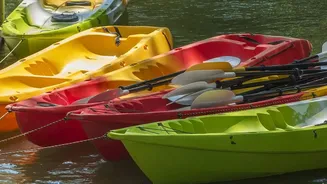
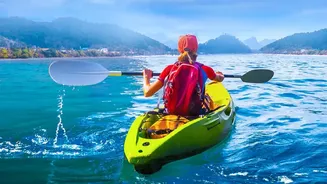
This is where kayaking emerges as the ideal solution. As a non-motorized craft, a kayak glides silently through the water, creating almost no wake and causing minimal disturbance. Its shallow draft allows it to navigate narrow channels and sensitive areas without churning up the sediment or harming the intricate root networks below. With no engine, there is no risk of fuel spills or noise pollution, ensuring the tranquil environment remains undisturbed. Choosing a kayak is a conscious decision to be a visitor, not an intruder, preserving the peaceful atmosphere for both wildlife and fellow explorers.
An Intimate and Immersive Experience
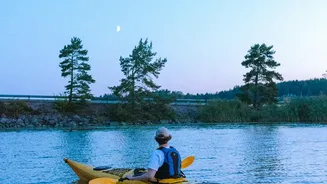
The benefits of kayaking extend far beyond its low environmental impact. The silence of a kayak allows for a much more intimate connection with nature. Without the drone of an engine, you can hear the rustle of leaves, the gentle lapping of water against your hull, and the distinct calls of different birds. This quiet approach allows you to get closer to wildlife, spotting mudskippers on the banks or a kingfisher diving for its meal without causing alarm. It transforms a simple tour into an immersive sensory experience, connecting you deeply with the rhythm of the mangrove ecosystem.
Supporting a Sustainable Local Economy
Opting for a mangrove kayaking tour is also a powerful way to support sustainable ecotourism in the Konkan region. Several local communities and operators, particularly in areas like Ratnagiri and Sindhudurg, now offer guided kayaking experiences. These initiatives provide a vital source of income for local residents, creating a direct economic incentive to protect and conserve the mangroves. By choosing these eco-friendly tours, you are contributing to a model of tourism where the environment and the local community both thrive, ensuring these natural wonders are preserved for generations to come.