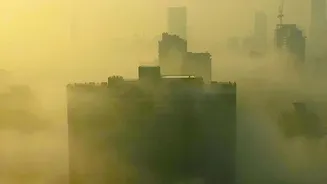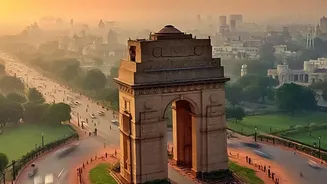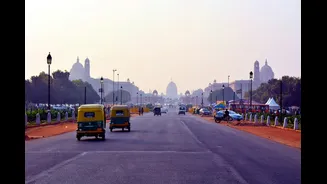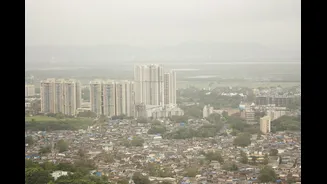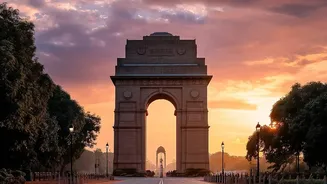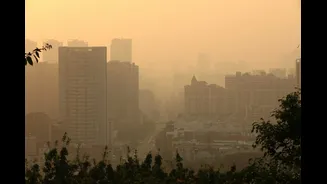




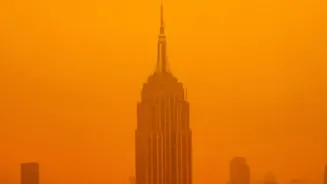
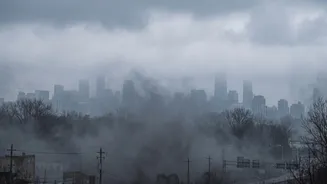
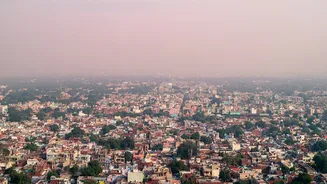
As winter descends, a familiar grey haze settles over Delhi, turning the sky a murky brown. But to blame this annual crisis on any single cause is to miss the bigger picture. The reality is a complex interplay of factors creating a regional problem.
The Year-Round Culprits
Delhi's
air quality struggles even outside of the winter smog season. A combination of factors consistently contributes to a high baseline of pollution. Vehicular emissions are a primary source; with millions of cars, buses, and two-wheelers, the transport sector is a significant polluter, responsible for a large share of PM2.5 emissions. Added to this is the dust from extensive construction activities and unpaved roads, which is constantly churned into the air. Industrial emissions from factories and power plants operating in and around the National Capital Region (NCR) also release a steady stream of pollutants. Finally, the open burning of municipal waste in landfills and neighbourhoods adds another layer of toxic fumes to this already burdened atmosphere.
The Seasonal Surge: Stubble Burning
Come October and November, the situation escalates dramatically, largely due to agricultural practices in neighbouring states. After harvesting paddy, farmers in Punjab and Haryana burn the leftover crop residue, or stubble, to quickly and cheaply clear their fields for the next crop. This practice sends massive plumes of smoke containing particulate matter and other toxins into the atmosphere. Prevailing northwesterly winds during this season carry this smoke directly towards Delhi, blanketing the entire region. While not the sole cause, this seasonal stubble burning can be responsible for a significant percentage of Delhi's particulate pollution on the worst days, pushing an already poor air quality into the 'Severe' or 'Hazardous' categories.
The Geographic and Weather Trap
Delhi's geography and winter meteorology create a perfect storm for trapping pollution. The city lies in the landlocked Indo-Gangetic Plain, with the Himalayas to the north acting as a massive barrier that obstructs the natural dispersal of air masses. During winter, wind speeds drop significantly, leading to stagnant air. This is compounded by a phenomenon called 'temperature inversion', where a layer of warm air sits on top of the cooler air near the ground. This inversion acts like a lid, trapping all the pollutants from local sources and farm fires close to the surface and preventing them from rising and scattering. This combination explains why the smog can linger for days, creating a prolonged and acute pollution episode.
The Pervasive Impact on Health
The consequences of this toxic air are severe and widespread. The most immediate effects are on respiratory health, causing everything from eye irritation and sore throats to severe asthma attacks and bronchitis. Fine particulate matter, or PM2.5, is particularly dangerous because it can penetrate deep into the lungs and even enter the bloodstream, contributing to longterm cardiovascular problems. Children and the elderly are especially vulnerable, with studies showing irreversible lung damage in millions of Delhi's children. The crisis is so significant that it is estimated to reduce life expectancy for residents.
Economic and Social Disruption
The impact of air pollution extends far beyond health. The economic costs are staggering, stemming from increased healthcare expenditure and lost productivity due to illness. Studies have estimated the economic loss to be a significant percentage of India's GDP. Delhi has the highest per capita economic loss in the country due to air pollution. The crisis also disrupts daily life. During periods of severe smog, schools are often closed, construction activities are halted, and residents are advised to stay indoors, impacting education, livelihoods, and overall quality of life. This annual event has turned a public health emergency into a recurring economic and social paralysis.