




The Pungent Powerhouse: Axone
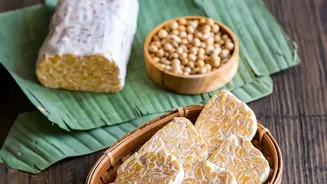
Travel to Nagaland and you'll encounter Axone (pronounced 'akhuni'), a fermented soybean product with a famously strong, pungent aroma and a deep umami flavour. It's a cornerstone of Naga cuisine, often used to enrich pork curries, stews, and chutneys.
Soybeans are boiled, then wrapped in leaves and placed near a fire to ferment for several days or even weeks. The result is a powerful ingredient that adds an unforgettable savoury depth to dishes, showcasing how fermentation is used not just for preservation but for creating bold new flavours.
The Cooling Gruel: Panta Bhat
A testament to kitchen ingenuity, Panta Bhat is a humble yet beloved dish from Eastern India, particularly Bengal, Assam, and Odisha (where it's known as Pakhala). It's simply leftover cooked rice soaked in water overnight, allowing it to undergo a light fermentation. Consumed the next morning, often with salt, mustard oil, onions, and chillies, it's a cooling and hydrating meal, perfect for hot and humid weather. This simple process makes the rice easier to digest and enhances its nutritional profile, turning leftovers into a nourishing, gut-friendly breakfast.
The Savoury Cake: Handvo
From Gujarat comes Handvo, a delicious savoury cake that is worlds away from a simple batter. It’s made from a fermented batter of rice and various lentils, to which grated vegetables like bottle gourd (dudhi), carrots, and herbs are added. This mixture is then tempered with mustard seeds and sesame seeds before being baked or pan-cooked until it has a crispy golden crust and a soft, spongy interior. The fermentation gives the Handvo its characteristic slight tang and light texture, much like dhokla but with a heartier, more vegetable-packed profile.
The Millet Drink: Ambali
In South India, particularly Karnataka, Ambali is a traditional fermented drink that offers a different perspective on millet. Typically made with ragi (finger millet) flour cooked into a porridge, it is then allowed to cool and ferment overnight. The next day, it is often mixed with buttermilk or curd and seasonings like cumin to create a refreshing, slightly sour, and cooling beverage. Known for its probiotic qualities, Ambali is a traditional way to stay refreshed and support digestion during hot weather.
The Hills' Treasure: Gundruk and Sinki
In the Himalayan regions of Sikkim and Nepal, fermentation is a crucial method for preserving vegetables through the harsh winters. Gundruk is made from leafy greens like mustard leaves, which are wilted, bruised, and then packed into jars to ferment before being sun-dried. The result is a tangy, slightly sour product used in soups and as a side dish. Sinki follows a similar principle but uses radish roots, which are fermented underground. Both are excellent examples of how fermentation transforms seasonal produce into nutrient-dense staples with a long shelf life.
The Festive Sweet: Enduri Pitha
Hailing from Odisha, Enduri Pitha is a special steamed cake prepared during festivals like Prathamastami. It involves a fermented batter of parboiled rice and black gram, similar to idli. What makes it unique is the sweet filling of coconut, jaggery, and spices, which is placed on the batter. The entire thing is then wrapped in a turmeric leaf and steamed, traditionally in large earthen pots. The leaf imparts a beautiful, subtle aroma, making Enduri Pitha a fragrant, celebratory treat that showcases a more delicate side of fermentation.
The Probiotic Thirst Quencher: Kanji
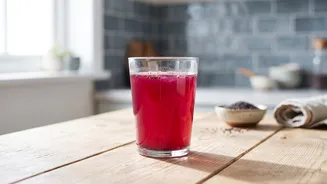
A popular drink in North India, especially during Holi, Kanji is a vibrant, tangy beverage made by fermenting black carrots (or beetroot) in water with spices like mustard seeds. The ingredients are left in a glass or ceramic jar in the sun for a few days, allowing natural fermentation to work its magic. The process creates a probiotic-rich drink with a distinctive, pungent taste that's both a digestive aid and a refreshing cooler. It’s a classic example of a functional, fermented beverage enjoyed for its flavour and health benefits.