






Why Pre-Trip Transport Research is a Game-Changer
Arriving in a new city is exciting, but the feeling can quickly fade when faced with a confusing map of metro, tram, and bus lines. A little research before you go does more than just tell you how to get from the airport to your hotel. It empowers you.
Mastering public transport helps you dive deeper into a city’s culture, boosts your travel confidence, and saves a significant amount of money compared to relying on taxis. It’s the difference between feeling like a lost tourist and a savvy traveller. Europe's public transport is generally excellent, safe, and efficient, making it the smartest way to get around. By understanding the system, you can visit more neighbourhoods, discover hidden cafes, and experience the rhythm of daily life far from the tourist crowds.
Your Universal Transport Checklist
Every European city is different, but the core principles of preparation are the same. Before you travel, create a simple checklist for your destination. First, identify the main modes of transport: does the city rely on an underground metro, street-level trams, buses, or even ferries? Next, investigate the ticketing system. Look for multi-day or 24-hour passes, which often provide the best value if you plan on making several journeys. Many cities have a rechargeable card system, and it's good to know if you can buy these at the airport or a major station. Finally, download the right apps. Official city transit apps, alongside reliable tools like Google Maps or Citymapper, are invaluable for real-time schedules, route planning, and disruption alerts. Many also allow you to buy and store tickets directly on your phone.
Case Study: Ljubljana, Slovenia
Slovenia's capital is a fairytale city, and its approach to transport is just as charming and efficient. The historic centre is largely pedestrianised, making walking a joy. For longer distances, the city is served by a comprehensive bus network. The key is the Urbana card, a single payment card for buses, the funicular to Ljubljana Castle, the BicikeLJ bike-sharing system, and even public parking. You can buy a yellow 'stored-value' card for €2 at newsstands or automated machines called Urbanomats and top it up with credit. A single €1.30 fare includes unlimited transfers within a 90-minute window. Recently, the system was upgraded to also allow direct payment with a contactless bank card or smartphone, making it even simpler for short-term visitors.
Case Study: Porto, Portugal
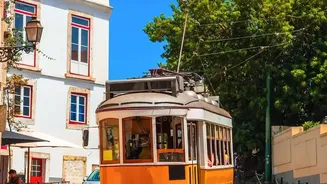
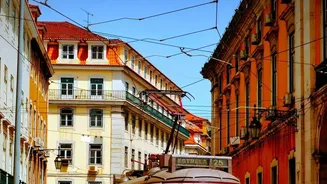
Porto's steep, cobbled hills make its public transport system not just a convenience, but a necessity. The backbone is the Andante card, a rechargeable ticket used across the metro, buses, and some suburban trains. The city is divided into zones, so the fare depends on how far you travel. For most tourists, a card loaded with Z2 (Zone 2) trips will cover the city centre. You can buy and top up the card at any metro station. For unlimited travel, consider the Andante Tour card (valid for 24 or 72 hours) or a 24-hour pass on a regular Andante card. Don't miss the scenic rides, either: the historic Tram 1 runs along the Douro River to the coast, and the Funicular dos Guindais saves you a very steep climb from the Ribeira riverside district.
Case Study: Ghent, Belgium
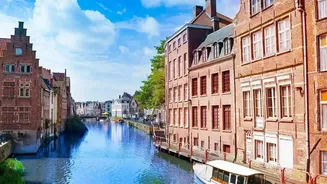
Often overlooked in favour of Brussels or Bruges, Ghent is a vibrant university city with a compact, walkable core. However, its efficient tram and bus network, run by the Flemish operator De Lijn, is perfect for reaching the main train station, Gent-Sint-Pieters, or exploring outer districts. The tram is especially useful, with line T1 connecting the station directly to the city centre. You don't necessarily need a special card; payment is easy via contactless debit cards, smartphones, or smartwatches tapped on the white validators inside the vehicle. A single fare allows for unlimited transfers within 60 minutes. For longer stays or heavy use, day passes are available, or the CityCard Gent includes unlimited public transport use.