



Why Your Brain Loves a Good Crunch
Flavor often gets all the credit, but our brains are hardwired to seek and enjoy textural variety. When we eat, our brain processes signals for taste, smell, temperature, and texture simultaneously. A dish with a single, monotonous texture can lead to 'palate
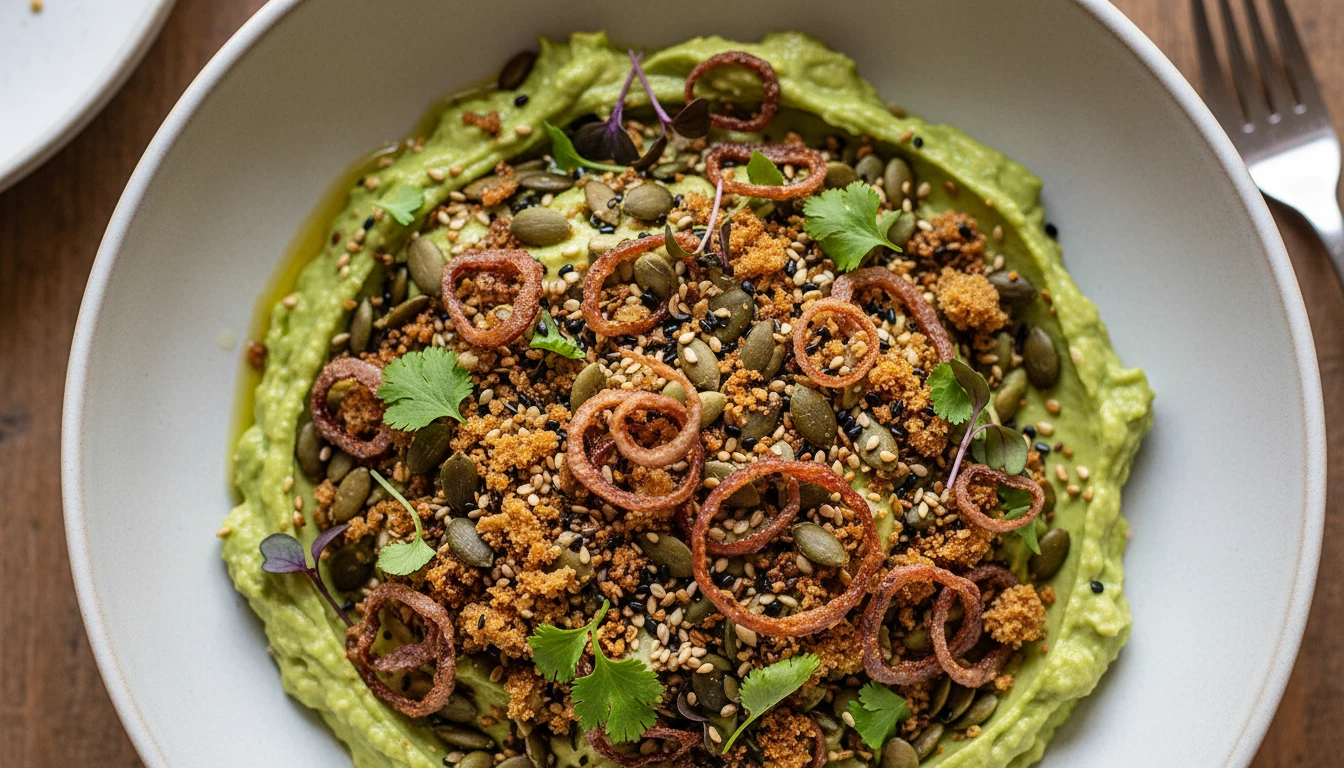
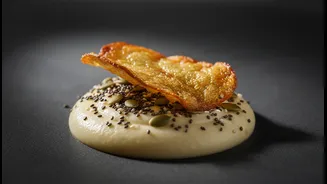
fatigue', where our brain essentially gets bored. In contrast, a mix of textures, like creamy and crunchy, keeps our senses engaged and heightens our overall satisfaction. Studies show that the physical sensation of crunchiness can trigger a dopamine release, the 'feel-good' chemical in our brain. This sensation is also subconsciously linked to freshness; a crisp apple or vegetable signals quality and safety to our brain, whereas something mushy might suggest it's past its prime. This neurological response is why a dish with contrasting textures feels more complete and enjoyable.
Beyond Raw: Giving Nuts a Textural Boost
Nuts are a natural starting point for adding crunch, but they can offer so much more. While raw nuts are great, toasting or roasting them transforms their texture from dense and chewy to crisp and brittle, while deepening their flavor. You can take it a step further. Try creating a crunchy coating for chicken or fish using crushed almonds or hazelnuts instead of breadcrumbs. For snacking, spiced nuts are a classic for a reason. Tossing walnuts or pecans with spices and a little oil before roasting creates a flavourful, crisp exterior. For a sweet contrast, candied nuts, made by heating nuts with sugar until a glaze forms, provide a hard, glassy shell that shatters with each bite, adding a new dimension to salads or desserts. You can even blend nuts like cashews or walnuts with liquid to create velvety creams and sauces, showing their textural versatility.
Making Fruit More Interesting
A fruit salad can sometimes be a soft, uniform experience. But it doesn’t have to be. Adding ingredients with contrasting textures can instantly make it more exciting. A handful of chopped toasted nuts like walnuts or pecans, or seeds like chia and hemp, can introduce a much-needed crunch against the soft fruit. Dried fruits, such as goji berries or figs, can add a chewy element that complements the juiciness of fresh fruit. Roasting or grilling fruits like peaches or pineapple is another game-changer. This process caramelizes their natural sugars and creates a tender, warm interior with a slightly charred exterior, offering both flavour and textural complexity that you won't get from raw fruit. Even a simple dollop of creamy yogurt or a sprinkle of granola can provide the contrast needed to turn a simple fruit bowl into a multi-layered treat.
Chaat: A Masterclass in Texture
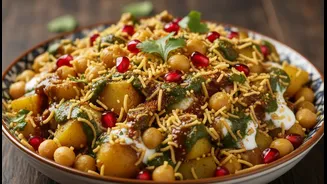
If you want to see textural contrast in its most glorious form, look no further than Indian chaat. Chaat is less a single recipe and more a philosophy of balancing flavours and, crucially, textures. Take bhel puri, for example. It’s built on a base of light, crispy puffed rice (murmura). To this, crunchy sev (fried chickpea flour noodles), crushed papdi (crisp flat puris), and the fresh crunch of raw onion are added. These crunchy elements are then combined with soft, yielding boiled potatoes, all brought together by wet tamarind and green chutneys. The result is a mix where no two bites are the same. Similarly, in dahi puri, a crisp, hollow puri shell shatters to reveal a filling of creamy, cool yogurt, soft potatoes, and tangy chutneys, all topped with a final sprinkle of crunchy sev. This constant interplay of crispy, creamy, soft, and crunchy is what makes chaat so utterly addictive and satisfying.