




The Ultimate Dessert Makeover
The chocolate brownie holds a special place in our hearts. It’s the ultimate comfort food, a go-to treat for celebrations, and a reliable mood-lifter. But its traditional recipe, heavy on refined flour (maida) and sugar, often places it firmly in the ‘guilty
pleasure’ category. However, a growing trend is reimagining this classic dessert. By incorporating ancient Indian grains like finger millet (ragi) and sorghum (jowar), home bakers and health-conscious foodies are giving the humble brownie a powerful nutritional upgrade. This isn't about deprivation; it's about enrichment, transforming a simple sweet into a more wholesome, complex, and arguably more satisfying, indulgence.
Meet the Power Grains: Ragi and Jowar
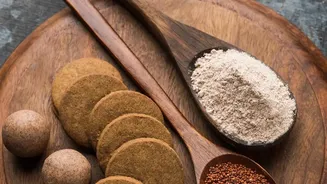
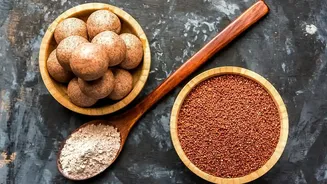
For centuries, millets have been a staple in Indian diets, but they are now being rediscovered for their impressive health benefits. Finger millet, or ragi, is a nutritional powerhouse, celebrated for being a rare plant-based source of calcium, crucial for bone health. It is also rich in protein, iron, and dietary fibre, which aids in digestion and helps keep you feeling full for longer. Sorghum, known as jowar, is another gluten-free hero. It is packed with antioxidants, protein, and essential minerals like iron, phosphorus, and magnesium. Jowar is also noted for its high fibre content, which can help in regulating blood sugar levels and supporting digestive health. Both grains are naturally gluten-free, making them an excellent choice for those with celiac disease or gluten sensitivity.
A Nutritional Upgrade from Refined Flour
When you replace refined wheat flour with ragi and jowar, you're doing more than just changing ingredients—you're fundamentally boosting the brownie's nutritional profile. Unlike maida, which is stripped of its fibre and nutrients during processing, whole millet flours retain their natural goodness. This means a brownie made with millets offers significantly more dietary fibre, which promotes better digestion and can contribute to a slower release of sugar into the bloodstream. This helps in avoiding the sharp sugar spikes often associated with conventional desserts. Furthermore, the mineral content gets a major lift. Ragi brings a wealth of calcium and iron, while jowar contributes iron and antioxidants that help fight inflammation. So, while it's still a dessert, it's one that works a little harder for your health.
But Do They Still Taste Good?
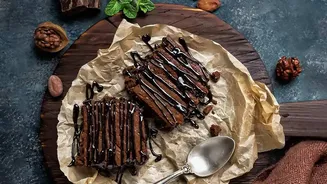
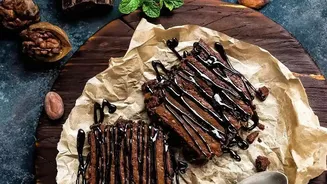
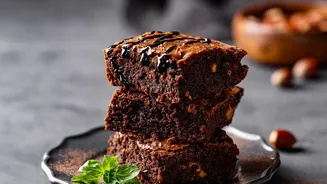
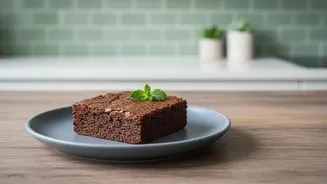
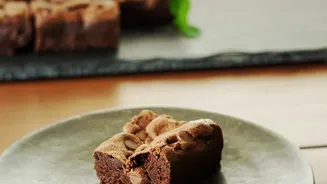
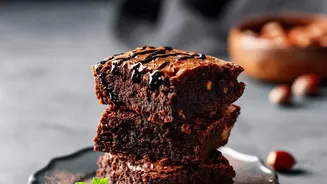
This is the all-important question for any dessert lover. The answer is a resounding yes, though the experience is delightfully different. Swapping refined flour for millets changes both the taste and texture, often for the better. Many bakers find that millet brownies have a richer, fudgier, and denser texture than their cakey, flour-based counterparts. Ragi and jowar lend a subtle, earthy, and slightly nutty flavour that beautifully complements the deep notes of dark chocolate. The result isn't just a copy of the original but a unique treat in its own right—one that feels more substantial and satisfying. Many who try them are surprised that a healthier dessert can be so decadent.
Tips for Baking with Millet Flours
Baking with millet flours is a bit different from using refined wheat flour. These gluten-free flours are 'thirstier' and absorb more moisture, which can affect the batter's consistency. You may need to add a bit more liquid—like milk, yoghurt, or oil—to ensure the final product is moist and not dry. Some recipes recommend combining millet flours with other flours, like a small amount of whole wheat or oat flour, to achieve the perfect texture. Since they lack gluten, which provides structure, millet-based batters won't be as elastic. Don't be alarmed if the batter seems thicker than you're used to. The key is to experiment. Start by substituting a portion of the refined flour in your favourite recipe—say, 30% to 50%—and see how you like the results before going all in.