


A Tale of Two Airports
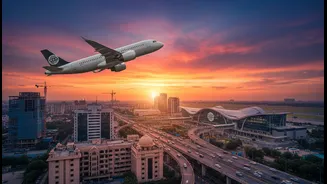
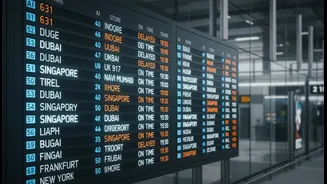
On July 15, two major aviation milestones are set for India. In Madhya Pradesh, Indore's Devi Ahilyabai Holkar Airport will resume international operations with a new Air India Express flight to Abu Dhabi after a four-and-a-half-month suspension. This
service replaces a previous Sharjah route and aims to position Abu Dhabi as a key transit hub for passengers from Central India to Europe and North America. Simultaneously, the brand-new Navi Mumbai International Airport is scheduled to launch its own international passenger and cargo operations, also starting with services to the Gulf. This move is designed to decongest Mumbai's existing airport and cater to the massive, underserved population of the Mumbai Metropolitan Region (MMR).
The Student and Family Connection
For countless Indian families, international travel is not a luxury but a necessity. The 'Visiting Friends and Relatives' (VFR) segment is a powerful driver of air traffic, fuelled by India's vast diaspora. Direct flights from a regional airport like Indore eliminate the need for cumbersome and costly connecting journeys via Delhi or Mumbai, a significant relief for students heading to overseas universities and families reuniting across continents. As the global Indian diaspora grows, so does the demand for VFR travel. The convenience of a local international gateway can be a deciding factor, making travel more accessible for elderly parents or students burdened by luggage and tight schedules. This direct access is crucial as students increasingly look beyond traditional destinations like the US and Canada due to rising costs and visa uncertainties.
Unlocking Trade and Cargo Potential
Beyond passengers, international connectivity is a critical enabler of trade. For a manufacturing and pharmaceutical hub like Indore, direct access to global markets via air cargo is a game-changer. It reduces reliance on congested metro airports, cutting down transit times and costs for time-sensitive exports. However, the success of cargo operations is not guaranteed. It requires robust ground infrastructure, including efficient customs clearance and cold storage facilities, and consistent demand to make freighter services viable. While Navi Mumbai is launching with dedicated freighter services, the challenge for both airports will be to build enough volume to sustain and grow these operations, transforming them into genuine logistics hubs. Without this, local exporters remain stuck with expensive and slow road transport to the nearest major hub.
Beyond the Inaugural Flight
The real test begins after the inaugural flights depart. Sustaining international routes from Tier-2 cities is notoriously difficult. Airlines are driven by profitability, which depends on high passenger loads year-round, not just during peak holiday seasons. The initial excitement must translate into consistent bookings from business travellers, students, tourists, and the VFR segment. Geopolitical tensions, fluctuating fuel prices, and airspace restrictions can make routes unviable overnight, as seen with recent challenges faced by Indian carriers. Furthermore, these new routes will compete with powerful Gulf carriers that leverage their hub-and-spoke models to offer vast global networks. Success will depend on competitive pricing, reliable service, and smart scheduling that offers convenient onward connections from hubs like Abu Dhabi.
The Path to Sustainable Connectivity
For Indore and Navi Mumbai, the launch of international flights is the beginning of a long journey. Turning these airports into successful international gateways requires more than just airport infrastructure. It demands a supportive ecosystem. This includes government policies like the 'Hub and Spoke' model, which aims to seamlessly connect smaller cities to global destinations. It also requires proactive efforts from local trade bodies and tourism boards to promote the region and generate inbound traffic. Ultimately, the long-term viability of these flights rests on their ability to consistently meet the needs of their local catchment areas, proving that they are not just a convenience, but an essential economic and social lifeline.