




From Tourist to Traveller
For decades, the great Indian vacation followed a familiar script: see the famous landmarks, eat the local food, and return home with photos and a sense of exhaustion. But for Millennials and Gen Z, this model is losing its appeal. They are not just travelling
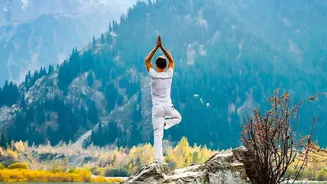
to see something new; they are travelling to feel something different. This has given rise to wellness travel, a concept that prioritises mental, physical, and emotional well-being over a packed itinerary. Unlike conventional tourism, wellness travel is defined by its intention. It’s the difference between a hectic trip to Rishikesh for rafting and a structured yoga programme at the same destination. The goal is no longer to come back with souvenirs, but with a sense of restoration.
The Burnout Generation Seeks an Exit
A key driver of this trend is the rising tide of professional burnout and digital fatigue. Faced with high-pressure work cultures, long hours, and the 'always-on' nature of digital connectivity, young urban professionals are actively seeking temporary escapes. A holiday is no longer seen as a mere indulgence but as essential maintenance for mental health. This generation is increasingly making travel decisions based on emotional needs rather than a tourist checklist. The question is shifting from “Where is everyone going?” to “What kind of experience will help me feel better?” This has spurred interest in slower destinations, digital detox holidays, and nature-based experiences that offer a genuine break from routine.
What Modern Wellness Looks Like
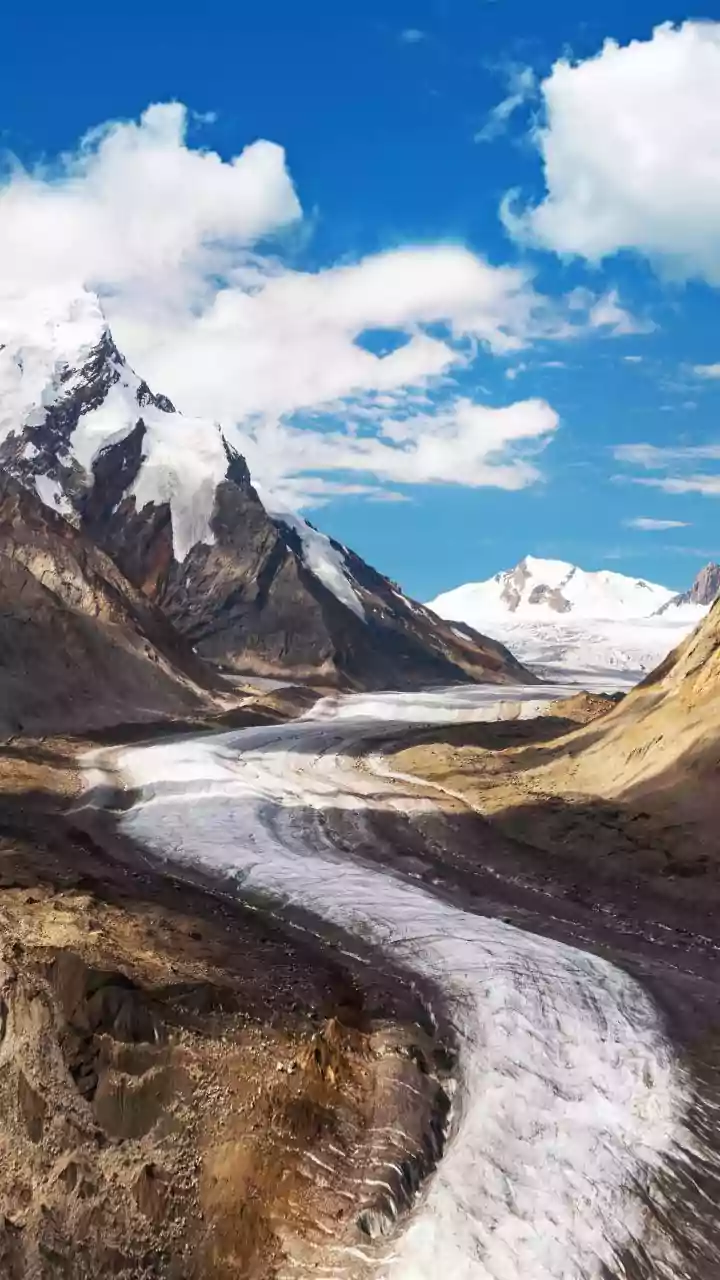
The definition of a wellness trip has expanded far beyond traditional spa retreats. While India's rich heritage in Ayurveda and yoga remains a strong draw, young travellers are exploring a broader spectrum of restorative experiences. Digital detoxes, where guests surrender their phones, are becoming one of the fastest-growing segments. There's also a move towards addressing emotional health directly, with retreats focused on grief processing or anxiety management gaining traction. Other popular formats include skill-based holidays like pottery or cooking workshops, which offer a mindful break from cognitive work. Adventure travel, such as trekking and forest bathing, also fits into this new paradigm, offering physical challenges that help clear the mind.
Redefining the Holiday Itinerary
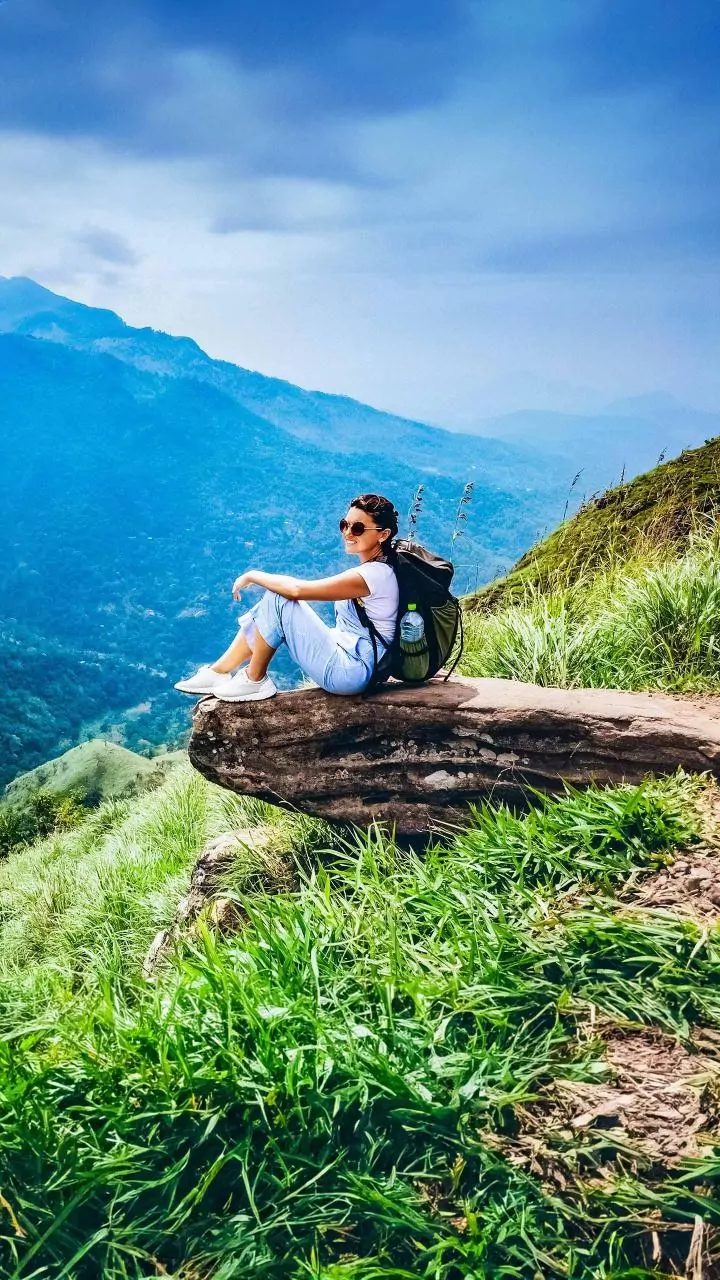
This shift is also changing the very structure of travel. Young Indians, especially Gen Z, are moving away from long annual holidays towards shorter, more frequent trips. Many plan for one to six trips a year, often lasting less than a week. There's also a marked preference for solo travel or trips with a partner rather than large family groups, allowing for more personalised and introspective journeys. This has led to a boom in 'slow travel,' where travellers opt for longer stays in one or two locations instead of rushing through multiple cities. This approach allows for deeper cultural immersion and a more relaxed pace, aligning perfectly with the goal of unwinding.
The Industry Takes Note
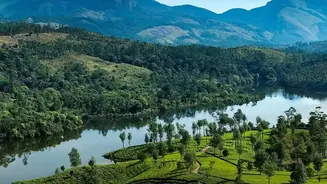
The Indian travel and hospitality industry is quickly adapting to this new demand. What were once considered luxury add-ons, like yoga classes or meditation sessions, are now becoming mainstream expectations. Hotels and resorts are curating specialised wellness offerings, from nutrition-based menus to holistic healing experiences, particularly in destinations like Kerala, Uttarakhand, and Goa. This focus on wellness has allowed some properties to see a significant rise in room rates and occupancy. Corporate groups are also showing interest, exploring wellness retreats for mindful team offsites, signalling a broader cultural acceptance of well-being as a priority.