




A Paradise Under Pressure
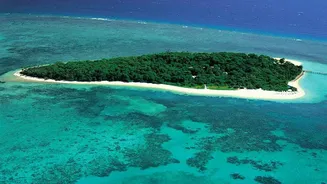
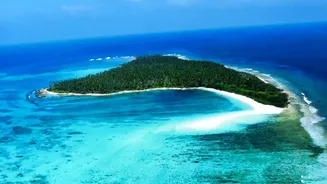
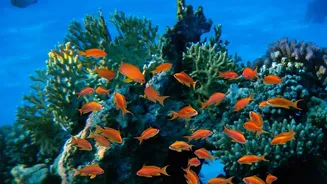
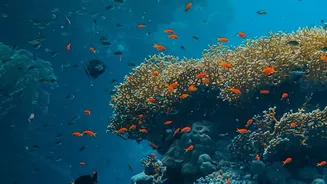
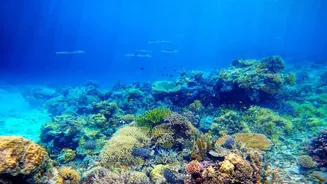
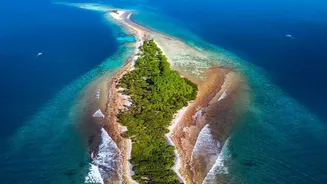
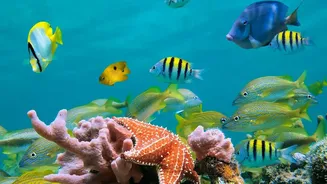
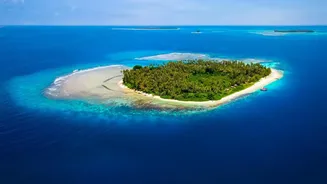
Lakshadweep is home to some of India's most vibrant coral reefs, lagoons, and marine biodiversity, including hundreds of fish species and endangered sea turtles. These ecosystems are not just beautiful; they protect the islands from storm surges and support
local livelihoods. However, this natural wealth is under threat. Beyond global challenges like rising sea temperatures causing coral bleaching, tourism brings its own pressures. Unregulated visitor activity can lead to increased waste, particularly single-use plastics, which end up in the sea, harming marine life and smothering corals. Studies have found microplastics in the local marine environment, indicating the pervasive nature of this pollution. With limited land for waste disposal, every bottle, bag, and wrapper poses a significant risk to the delicate balance of the islands.
A New Rulebook for Responsible Travel
To counter these threats, the Lakshadweep administration has implemented a framework of sustainable travel rules designed to manage tourism's footprint. A cornerstone of this strategy is controlling the number of visitors. Unlike many destinations, Lakshadweep restricts tourist inflow through a mandatory entry permit system for all non-islanders. This approach is designed to prevent the pressures of mass tourism and keep visitor numbers within the ecological carrying capacity of the islands. These regulations, supported by initiatives like the Swadesh Darshan 2.0 scheme, aim to build a tourism model that prioritizes ecological health. The process ensures that every visit is planned and accounted for, reducing spontaneous, unregulated activities that could harm the environment.
Cutting Pollution at the Source
The most direct intervention is the strict ban on single-use plastics across the islands. Tourists are advised and expected to avoid bringing disposable plastic items and instead use reusable alternatives. This rule directly tackles a major source of marine litter, helping to keep the pristine beaches and lagoons clean. Beyond plastics, the focus extends to overall waste management. Eco-friendly resorts are encouraged, many of which practice rainwater harvesting, use solar power, and have robust systems for segregating and managing waste. Projects like the Prevention of Marine Litter in the Lakshadweep Sea (PROMISE) further support these efforts by working with tourism businesses to minimize waste generation from the start.
Protecting Corals from Physical Harm
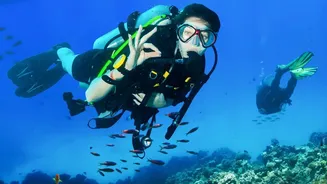
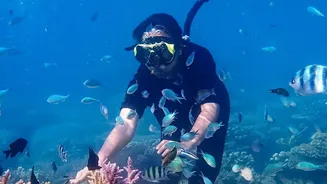
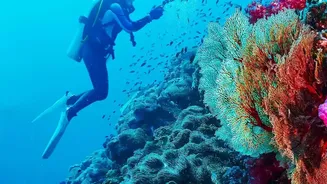
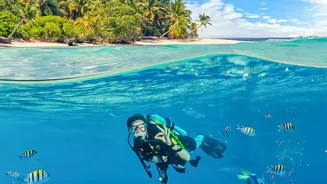
Limiting pollution isn't just about what's left behind; it's also about how tourists interact with the environment. To protect the fragile coral gardens, there are strict guidelines for all water sports. Activities like snorkeling and scuba diving are closely monitored, with an emphasis on responsible practices. Tourists are educated not to touch, stand on, or collect corals, as even minor contact can cause significant damage to these slow-growing organisms. By managing where and how water activities occur, the rules help prevent direct physical damage to the reefs, which are already under stress from climate-related events. This ensures the underwater world remains a key attraction for future generations without being sacrificed for short-term enjoyment.
Balancing A Thriving Economy and Ecology
The goal of these sustainable rules is not to discourage tourism but to redefine it. By involving local communities, the administration aims to create a sense of stewardship, where residents become the primary guardians of their natural heritage. Community-based tourism initiatives ensure that economic benefits are shared, giving locals a direct stake in conservation. This model positions Lakshadweep as a case study in how to harmonize economic development with ecological preservation. The regulations demonstrate that a thriving tourism economy can coexist with healthy marine ecosystems, provided it is built on a foundation of respect for the environment and strict, forward-thinking governance.