


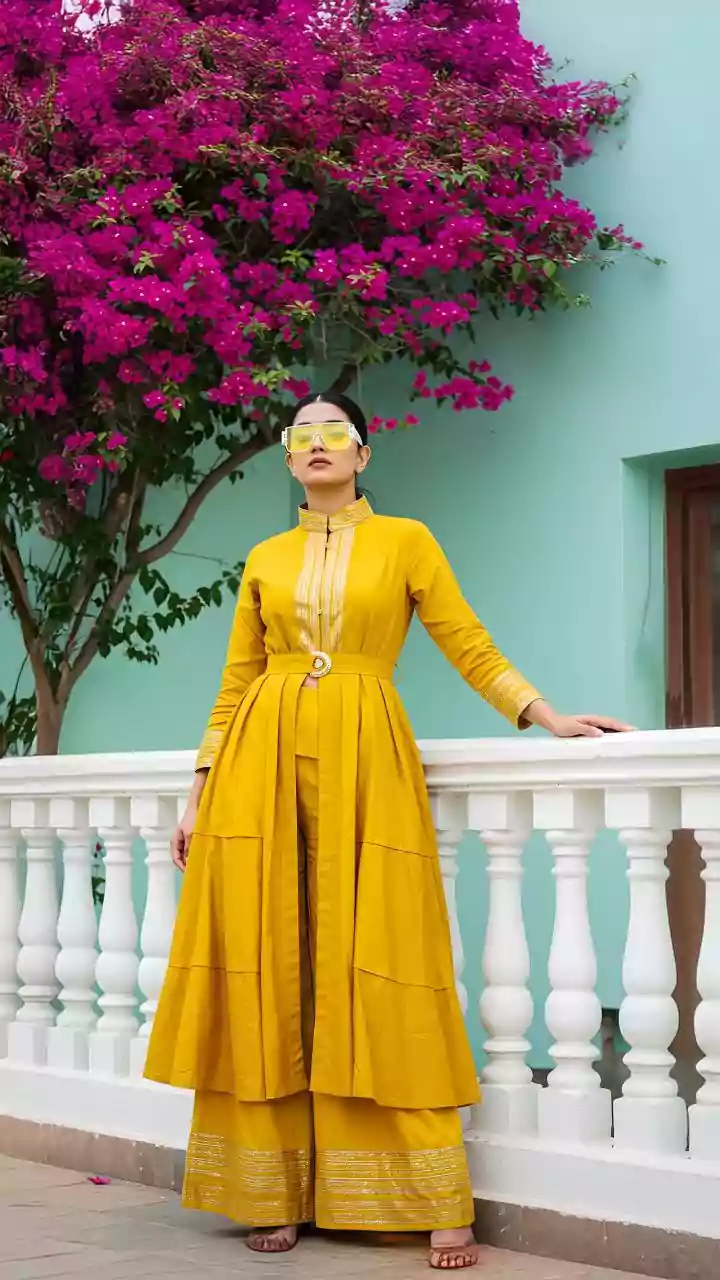

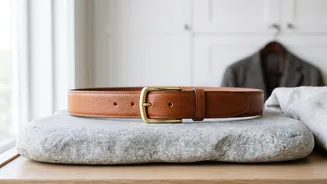

The right accessory can completely transform an outfit, and belts are a prime example. This often-overlooked staple does more than just hold up trousers; it can define your silhouette, add a pop of personality, and change your entire look.
The Subtle Power of a Slim Belt
A slim belt,
typically an inch wide or less, offers a look of refined elegance. Its strength lies in its subtlety. Think of it as a tool for delicate definition rather than a bold statement. Skinny belts are perfect for enhancing a garment that already fits well, adding a polished finishing touch without overwhelming the outfit. They work beautifully with lighter fabrics, like a flowing midi dress or a silk blouse, where a heavier belt might disrupt the fabric's drape. For a classic look, thread a slim leather belt through the loops of high-waisted jeans or tailored trousers and tuck in a simple top. This simple move instantly makes a casual outfit feel more considered and polished. A slim belt can also be used to create shape over a fine-gauge knit or a fitted sheath dress, providing just enough structure to highlight your natural waist.
Making a Statement with a Broad Belt
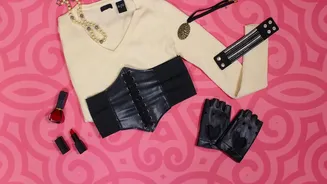
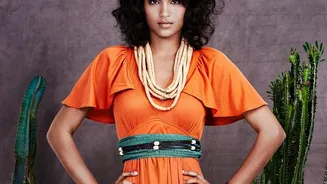
When you want to make an impact, a broad belt is your best friend. Wider styles, measuring two inches or more, are designed to draw the eye and dramatically cinch the waist. They are the perfect solution for managing volume and creating an hourglass silhouette. Use a wide belt to give shape to an oversized blazer, a chunky knit cardigan, or a straight-cut coat, transforming a boxy shape into something more structured and intentional. Shirt dresses and simple column dresses are also ideal canvases for a wide belt, which can add curves and definition to a straight silhouette. While a slim belt might get lost on heavier fabrics or voluminous pieces, a broad belt has the presence to hold its own and create a powerful focal point.
Choosing the Right Width for Your Outfit
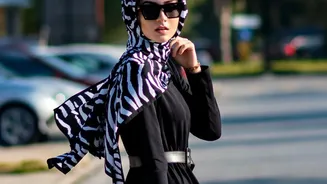
Deciding between a slim and broad belt often comes down to the clothes themselves. As a general rule, let the outfit's proportions guide you. Delicate, lightweight fabrics and smaller belt loops call for a slim belt. Heavier materials like thick wool or denim, and garments with lots of volume, can handle the visual weight of a broader belt. If you're belting a simple t-shirt dress, a slim belt might provide a subtle, chic waistline, while a wide corset-style belt will deliver a more fashion-forward, structured look. For high-waisted jeans, a medium-width belt often strikes the perfect balance, offering definition without feeling restrictive. The key is to create harmony; you want the belt to enhance the outfit, not fight against it.
Where to Place Your Belt
The position of your belt is just as important as its width. For creating a classic hourglass shape, placing the belt at your natural waist—the narrowest part of your torso—is the most effective strategy. This works especially well when cinching dresses, blazers, or coats that don't have belt loops. When wearing high-waisted trousers or jeans, the belt naturally sits higher, which can elongate the look of your legs. For a more relaxed, bohemian vibe, some outfits, like a flowing maxi dress, can be styled with a belt slung lower on the hips. Experimenting in front of a mirror can help you see how different placements alter your proportions and the overall mood of your look.
Beyond the Basics: Buckles and Textures
Once you've mastered width and placement, consider the details. The buckle itself can be a major style element. Recent trends have seen a rise in statement buckles, from sculptural gold hardware to ornate Western-inspired designs, which can turn a simple belt into the main event. When wearing a statement buckle, it's often best to keep the rest of your accessories minimal to let the belt shine. The material also plays a key role. A classic smooth leather belt is incredibly versatile, working for both professional and casual outfits. However, a braided belt can add a relaxed, summery texture, while a fabric sash belt feels soft and fluid, perfect for breezy dresses. These details add another layer of personality, making the simple act of adding a belt a true style statement.