




The Shift from 'Perfect' to 'Personal'
The carefully staged, minimalist aesthetic is giving way to something far more vibrant and alive. This isn't just about plants; it's a cultural shift. We're moving away from the pressure to create a home that looks like a sterile catalogue and towards
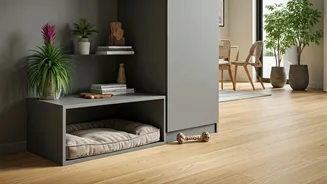
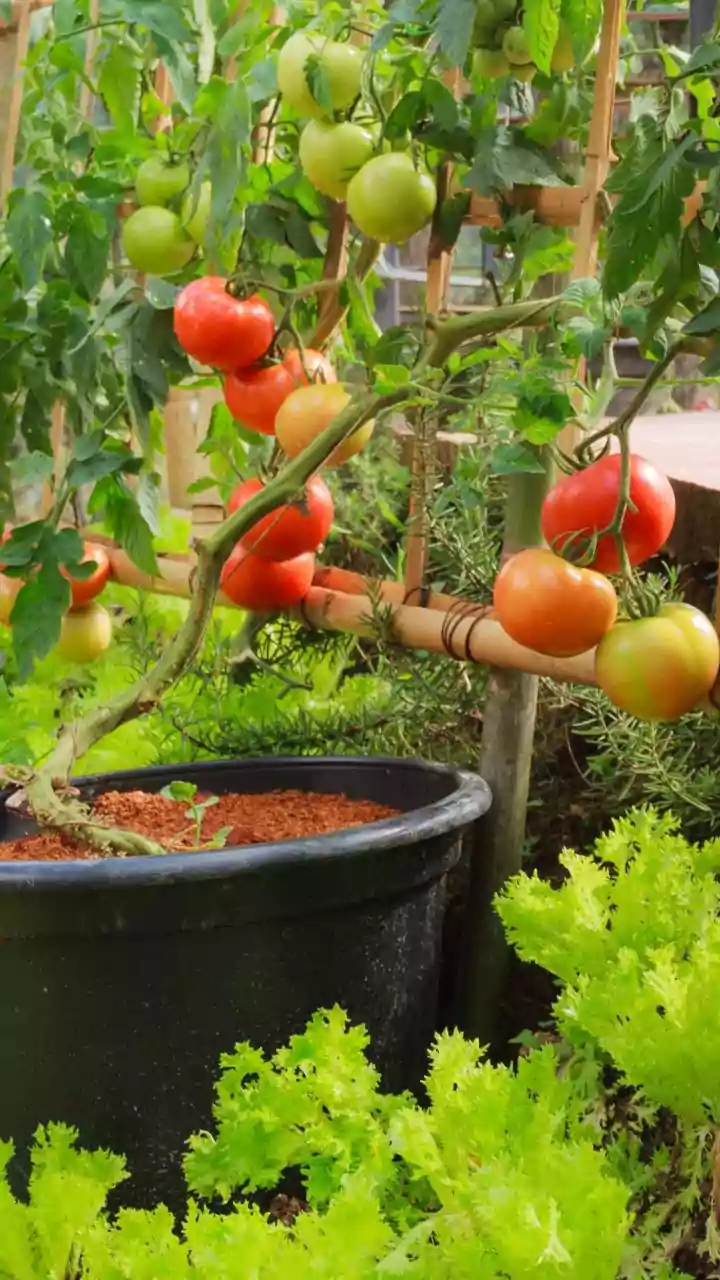
spaces that feel genuinely lived-in and personal. The 'overstyled plant corner'—often featuring a lone, sculptural plant—was designed more for the camera than for the soul. Today’s trend, often called maximalist or cottagecore gardening, is a joyful rebellion. It celebrates abundance, variety, and a little bit of beautiful chaos. It’s about creating a green space, whether a large backyard, a small balcony, or an indoor nook, that reflects your personality and brings you daily delight rather than demanding constant, perfect upkeep.
Embrace a Riot of Colour
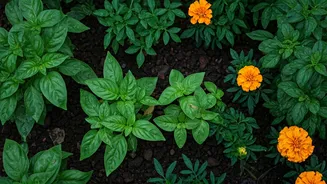
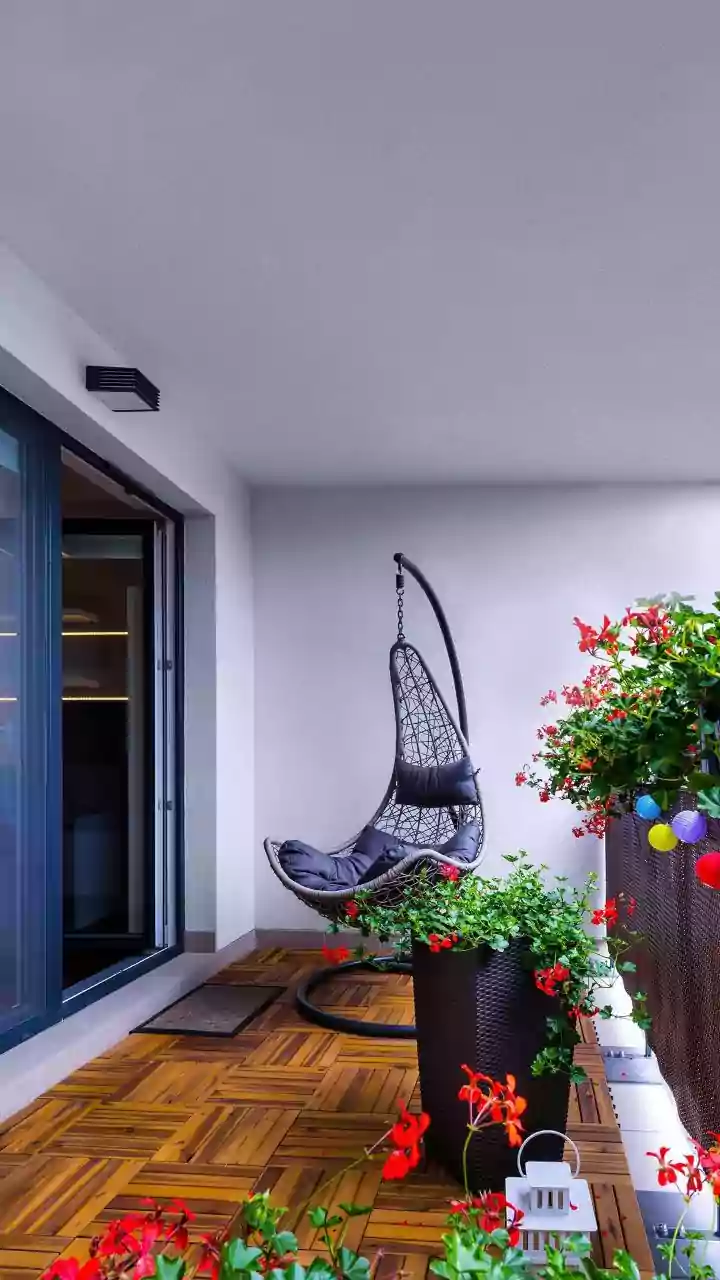
The easiest way to step into this trend is to think beyond green. While foliage is foundational, the new approach champions a kaleidoscope of hues. Instead of just one or two complementary colours, think in terms of vibrant clashes and surprising combinations. Don’t be afraid to mix fiery marigolds with deep purple petunias, or bright pink bougainvillea with sunny hibiscus. In the Indian climate, we are blessed with an abundance of colourful options that thrive in the heat. Think zinnias, cosmos, portulaca (office-time flowers), and balsam. The goal isn't a perfectly planned colour scheme but a tapestry of colours that makes you smile. Group pots of different flowering plants together on your balcony or dedicate a patch of your garden to a mix of seasonal flowers. The result is a dynamic, ever-changing display of nature’s artistry.
Think in Layers and Textures
A truly lush garden has depth, and that comes from layering different shapes, sizes, and textures. The single-plant corner feels flat by comparison. To create a richer look, combine tall, spiky plants like snake plants with low, spreading groundcovers. Mix plants with large, glossy leaves (like the rubber plant) with those that have delicate, feathery foliage (like asparagus ferns). Use climbers like jasmine or money plants to add vertical interest, drawing the eye upward. On a balcony, this can mean placing tall pots at the back, medium ones in the middle, and small, trailing plants at the front. This variety not only looks more natural and interesting but also creates a miniature ecosystem, where plants provide shade and support for one another. The interplay of textures is just as important as the mix of colours, adding a tactile dimension to your green space.
Welcome a Little Beautiful Wildness
Perhaps the most significant departure from the 'overstyled' look is the acceptance of a little wildness. This doesn't mean letting your garden become a neglected mess. Instead, it means relaxing the need for rigid control. Allow plants to mingle, self-seed, and grow in a more organic way. Let a flowering vine meander where it wants to. Appreciate the beauty of a plant that has grown slightly asymmetrical towards the sun. This approach creates a garden that feels more like a natural landscape and less like a manicured object. Furthermore, this 'wilder' style is fantastic for biodiversity. A mix of native flowers, herbs, and shrubs attracts pollinators like bees, butterflies, and birds, turning your garden into a lively, buzzing haven. It’s a win-win: less work for you, and more life in your garden.
Bring the Abundance Indoors
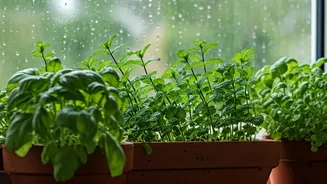
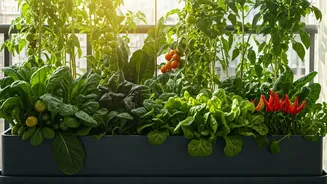
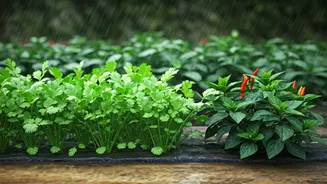
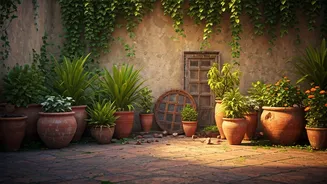
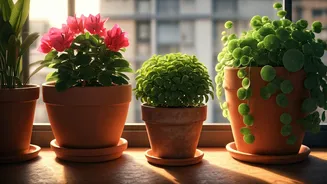
This trend isn't just for those with sprawling lawns. You can easily create a lush, colourful sanctuary on a city apartment balcony or even in a well-lit living room. The key is to think in groups. Instead of one large pot, gather a collection of small and medium-sized pots. Mix and match terracotta, ceramic, and colourful planters. Group plants with different needs—a sun-loving coleus next to a shade-tolerant pothos—to understand your space better. Use hanging baskets to add levels and save floor space. A simple window box can become a miniature meadow with a mix of herbs like tulsi and mint alongside colourful annuals. By clustering your plants, you create a pocket of humidity that helps them thrive, all while making a much stronger visual statement than a single, isolated plant ever could.