


Why Simplicity Wins
In the world of men's ethnic wear, the dupatta is a powerful accessory. It can elevate a simple kurta into a ceremonial statement. However, a common mistake is overcomplicating the drape. An overly elaborate or stiffly arranged dupatta can look awkward
and feel cumbersome, especially during a long day of festivities. A simple, clean drape, on the other hand, projects confidence and effortless grace. It complements the kurta without overwhelming it, ensuring the focus remains on the overall silhouette and craftsmanship of your outfit. A simple style is also practical, allowing you to move, dance, and celebrate without constantly readjusting.
Master the Classic Shoulder Drape
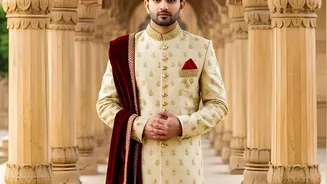
The most timeless and versatile way to wear a dupatta is the classic single-shoulder drape. Start by folding the dupatta lengthwise until it's a neat band, about eight to ten inches wide. Drape it over one shoulder—traditionally the left, but either is acceptable—letting one end fall down your back and the other down your front. The front end should hang to about hip level. For a slightly more secure and formal variation, you can bring the back end forward under your other arm and drape it over the same shoulder or arm. The goal is for the fabric to lie flat and look relaxed, not rigidly pinned.
Try the Effortless Neck Drape
For a more contemporary or casual wedding function like a Mehendi or Sangeet, the neck drape is an excellent alternative. Instead of draping it over the shoulder, you can simply loop the dupatta around your neck, similar to a scarf. Let the ends hang symmetrically in the front for a balanced look. This style works particularly well with lighter fabrics like cotton or linen and pairs seamlessly with more modern or Indo-Western kurta designs. It adds a touch of flair without the formality of a full shoulder drape, keeping you comfortable while still looking put-together.
Choose Your Fabric Wisely
A perfect dupatta drape can't salvage a poorly chosen kurta. The fabric of your kurta set is the foundation of your entire look, dictating its comfort, structure, and formality. For daytime events or summer weddings, breathable fabrics like linen and cotton are ideal. They keep you cool and have a relaxed elegance. For evening receptions and the main ceremony, richer fabrics like silk, silk-cotton blends, or brocade lend a necessary touch of luxury and formality. A silk-cotton blend is often the best of both worlds, offering the sheen of silk with the breathability of cotton.
The Importance of Fit and Colour
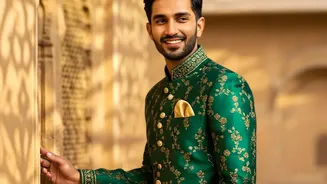
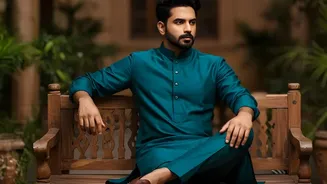
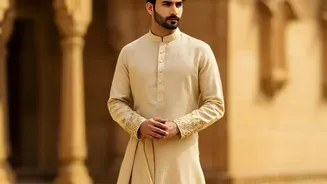
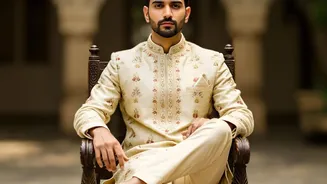
Beyond fabric, the fit of your kurta is non-negotiable. It should not be too tight or too loose; the shoulder seams should align perfectly with your shoulders, and the length should ideally fall around your knees. When it comes to colour, coordination is key. A popular and sophisticated trend is the tonal monochrome look, where the kurta, bottoms, and dupatta are all in the same colour family, such as ivory-on-ivory or shades of blue. Alternatively, a contrasting dupatta can create a striking look. For instance, a beige or ivory kurta pairs beautifully with a dupatta in a rich jewel tone like maroon, emerald green, or navy blue.
Complete the Look with Accessories
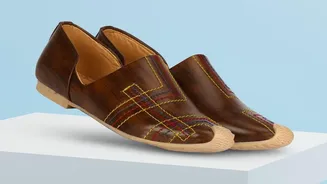
With your dupatta and kurta sorted, the final step is thoughtful accessorising. The rule is to enhance, not overwhelm. The right footwear is crucial; traditional juttis, mojaris, or leather loafers are all excellent choices that complete the ethnic look. A classic watch with a leather strap adds a touch of polish. For a bit more flair, consider adding a simple brooch to secure your dupatta or a pocket square if you're wearing a Nehru jacket. One or two pieces of jewellery, like a gold-plated kada or a simple ring, can also add a personal and regal touch without being over the top.