





The Great Reopening of the Wild
The world of travel has largely returned to its pre-pandemic rhythm, and for those yearning for the open plains and dense jungles, the news is overwhelmingly positive. Most countries popular for safaris have lifted the stringent health-related travel restrictions
that defined the early 2020s. This means that for many destinations, requirements like mandatory pre-flight testing, proof of vaccination, and on-arrival quarantine are things of the past. This global shift has reopened some of the planet's most spectacular wildlife encounters, inviting travelers to once again plan their long-awaited journeys. The focus has moved from navigating health protocols to the timeless thrill of the adventure itself, though booking well in advance is becoming crucial due to pent-up demand.
Africa's Iconic Plains Await
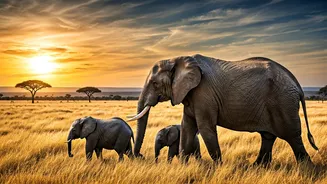
Africa's legendary safari countries have embraced the return of tourism. Tanzania, home to the vast Serengeti and the Ngorongoro Crater, has lifted all its COVID-19 restrictions, making entry straightforward for international visitors. While a visa is still required, the process is streamlined through an online e-visa portal. Similarly, Kenya has replaced its visa system with a new Electronic Travel Authorisation (ETA), which simplifies entry for tourists from India and around the world. You simply apply online before your trip. While health rules like Yellow Fever vaccination may still apply depending on your travel route, the complex pandemic-era hurdles are gone. South Africa, another major destination, has also removed its pandemic-specific rules, though travellers should note new mandatory online customs declarations that must be submitted before arrival. Travellers should also remain aware of general safety advisories in the region.
Explore the Wilderness at Home in India
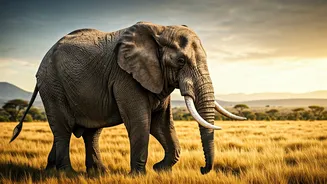
The thrill of a safari isn't limited to African shores. India's own national parks offer breathtaking encounters with tigers, rhinos, and elephants. Just like their international counterparts, access to these parks has normalized. However, 'no restrictions' here refers more to the absence of pandemic protocols rather than a free-for-all. Many of India's premier wildlife sanctuaries, such as Ranthambore, Jim Corbett, and Gir, operate under strict permit and quota systems to protect the ecosystems. Planning is key, as safari slots in popular zones must be booked online, often months in advance, especially during peak seasons. While rules around tourist behaviour are being tightened in some parks to protect wildlife, including a recent ban on mobile phones in some Rajasthan reserves, the core experience of the jungle safari is fully accessible once again.
What 'No Restrictions' Really Means
While government mandates have disappeared, it's wise to remember that 'no restrictions' doesn't always mean no rules at all. The primary change is the removal of nationwide public health orders related to the pandemic. Individual airlines may still have their own policies, and it’s always prudent to check these before you fly. More importantly, private safari lodges and tour operators may choose to retain certain health and safety protocols for the comfort and protection of their guests and staff. Furthermore, conservation-focused rules are becoming stricter. For example, some parks now regulate how close vehicles can get to animals and have banned mobile phones to prevent mobs of jeeps from converging on a single sighting. Always confirm the specific guidelines with your chosen safari operator before you travel to ensure a smooth and respectful journey.
Tips for Planning Your 2026 Safari
With the gates to the wild wide open, demand is surging. To make your dream trip a reality, start planning early. Experts now recommend booking 12 to 18 months in advance for popular destinations, especially for peak seasons like the Great Migration in East Africa (June-October) or tiger-spotting in India (October-March). Ensure your passport has at least six months of validity and several blank pages. Secure your visa or ETA online as soon as your flights and accommodations are confirmed. Finally, comprehensive travel insurance that covers medical emergencies and potential evacuations from remote park areas is non-negotiable. With these practical steps handled, you can focus on the incredible experience that awaits.