





The Protein Numbers Game
In the world of fitness, protein is king. The advice is simple and relentless: hit your daily protein target to build muscle, recover faster, and feel satiated. For a 70kg person, this could mean aiming for 112 to 154 grams per day. This numbers-first
approach works reasonably well for omnivores because animal proteins are 'complete,' meaning they contain all nine essential amino acids our bodies can't make themselves. But for those on a plant-based regimen, focusing solely on this raw number can be misleading and may unknowingly sabotage your fitness progress.
Not All Protein is Created Equal
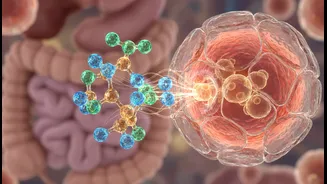
Think of protein as a chain and amino acids as its links. There are 20 different amino acids, but nine are 'essential' because we must get them from food. These are the true building blocks for everything from muscle tissue to hormones. Animal-based foods like meat, eggs, and dairy provide all nine in sufficient amounts, earning them the 'complete protein' label. Most plant foods, however, are a different story. They are often low in one or more of these essential amino acids, making them 'incomplete' on their own.
The Plant Protein Puzzle
This is where the 'raw count' approach falls apart. You could hit your 120-gram protein target by eating a massive amount of a single plant source, but if that source is low in a specific essential amino acid, like lysine or methionine, your body can't effectively use the other amino acids to build muscle. For instance, many grains are low in lysine, while legumes like beans and lentils are often low in methionine. This deficiency, known as a 'limiting amino acid,' creates a bottleneck that prevents optimal muscle protein synthesis, no matter how high your total protein intake is.
The Solution: Smart Pairing and Variety
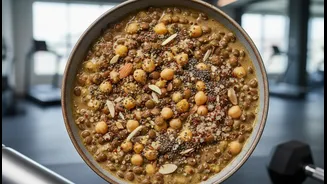
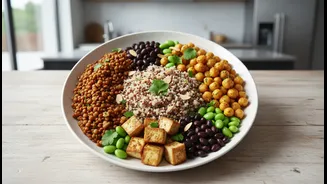
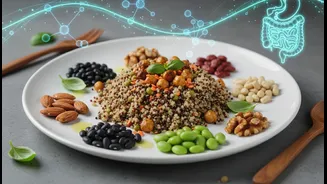
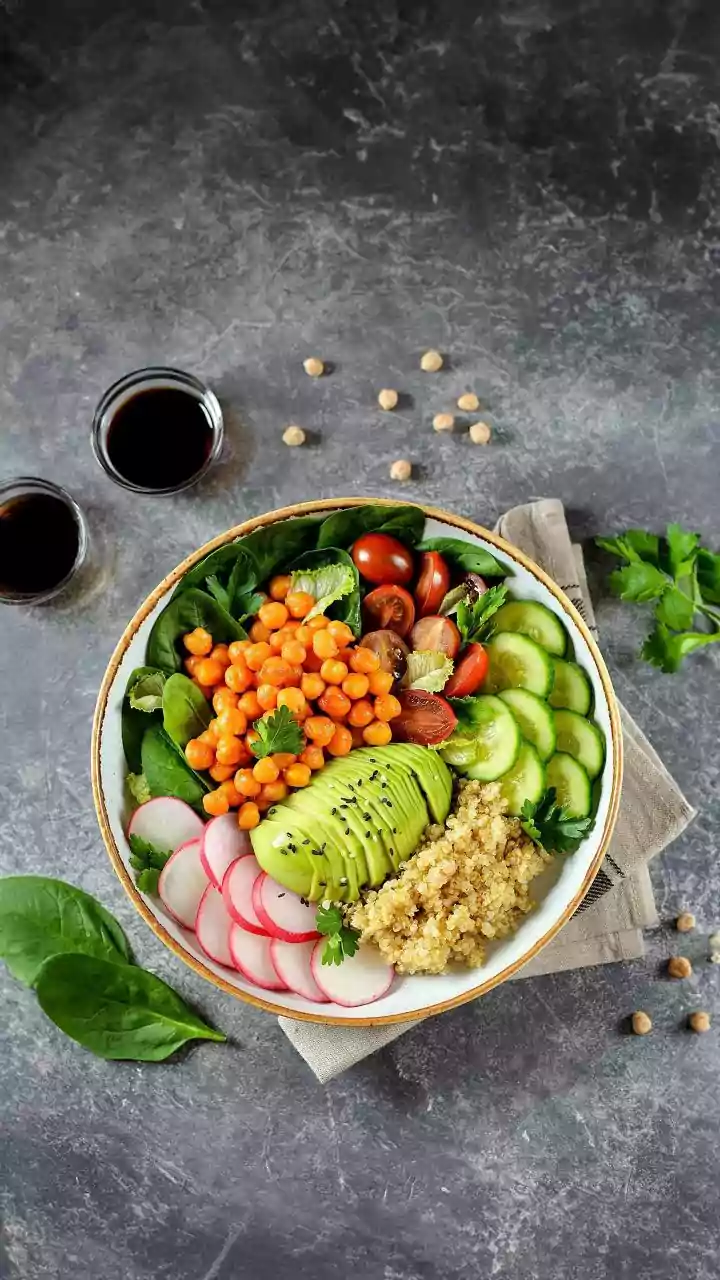
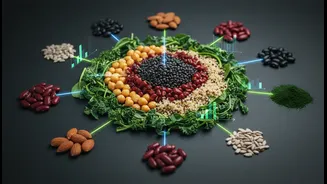
The good news is that this puzzle has a simple and delicious solution: protein complementation. This isn't a new-age health trend; it's the foundation of traditional cuisines worldwide. Think of Indian dal with rice, Mexican beans with tortillas, or Middle Eastern hummus with pita bread. These classic pairings combine foods with complementary amino acid profiles. The legumes provide the lysine that grains are missing, and the grains supply the methionine that legumes lack. By eating a variety of plant protein sources—legumes, grains, nuts, and seeds—throughout the day, you give your body a complete set of amino acid building blocks. Your body maintains an amino acid 'pool' and can combine them as needed; you don't even need to eat them in the same meal.
Beyond Pairing: Bioavailability Matters
Another factor is bioavailability—how much of the protein your body can actually digest and absorb. Plant proteins can be less bioavailable than animal proteins due to their structure and the presence of 'anti-nutrients' like phytates. This is why some experts suggest that plant-based athletes may need to consume slightly more protein overall, about 10-20% more than their omnivorous counterparts, to account for this difference. Simple preparation techniques like soaking, sprouting, and cooking legumes and grains can significantly improve their digestibility and the absorption of protein.
Shifting Your Mindset for Success
Instead of just chasing a number, the key to thriving on a plant-based fitness regimen is to focus on quality and diversity. Aim to include a wide range of protein sources in your diet. While most plant proteins are incomplete on their own, some, like soy (tofu, tempeh, edamame), quinoa, and chia seeds, are considered complete, providing all nine essential amino acids. Building your meals around a variety of sources ensures you're not just hitting a target but are actually providing your body with the usable materials it needs to repair, recover, and grow stronger.