





The Initial Domino: Monsoon Mayhem
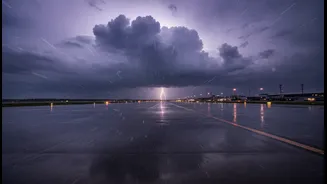
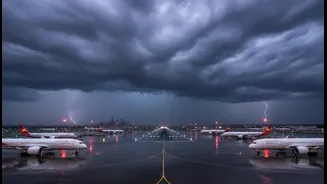
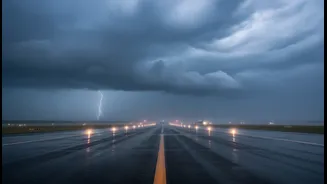
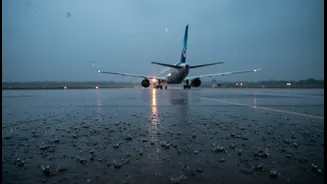
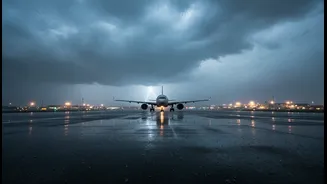
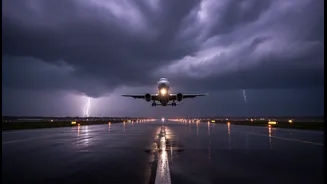
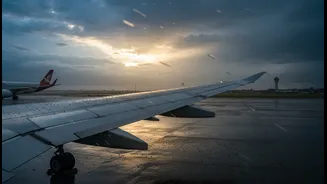
When heavy monsoon rains lash Kolkata, the impact on air travel is immediate and multifaceted. On Friday, intense showers led to widespread disruptions, with airlines like SpiceJet issuing advisories for potential delays due to the severe weather. Such
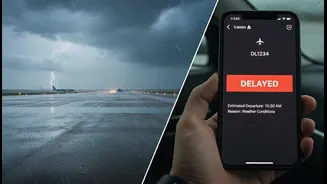
events are a seasonal challenge in eastern India, where thunderstorms can form rapidly, forcing delays, diversions, and ground stoppages. While airports state that runways remain operational, the ripple effects are unavoidable. For instance, recent incidents included a parked aircraft being struck by lightning, which, while not harming passengers, caused a significant delay of over three hours as a replacement aircraft was arranged. These events highlight how quickly weather can derail schedules, even before a plane has left the gate.
The Journey to the Journey: Waterlogged Roads
A flight delay is irrelevant if you can't reach the airport in the first place. This is a critical part of the story in Kolkata, where key access roads like VIP Road frequently become submerged during heavy downpours. In past monsoon events, severe waterlogging has created massive traffic snarls, trapping not just passengers but also pilots and cabin crew. Airlines have acknowledged this, with officials noting that flights were saved from mass 'no-shows' only because crew members were also stuck in the same gridlock. In response, carriers often send out advisories urging passengers to allow significant extra time for their journey to the airport. This reveals a crucial vulnerability: the airport's operational efficiency is directly tied to the city's ability to manage drainage and keep arterial roads clear, a recurring challenge during the monsoon.
Decoding the Padded Schedule: What Are Flight Buffers?
Airlines don't schedule flights with zero margin for error. They build in 'buffer time'—extra minutes added to the flight's official duration to absorb minor delays. This padding helps maintain on-time performance statistics. However, a systemic shock like a major storm at a hub airport can overwhelm these buffers entirely. A single delayed aircraft has a cascading effect, delaying its subsequent flights for the rest of the day. Crew schedules, which are tightly regulated for safety, can 'time out', meaning a new crew must be found, causing further delays. While a 90-120 minute layover might seem safe for a domestic connection on a clear day, a weather event can erase that buffer in an instant, leading to missed connections. The delays in Kolkata show that while buffers help with everyday operational hiccups, they are insufficient against large-scale, simultaneous disruptions caused by severe weather and infrastructure failure.
Lost in Transmission: The Status Check Roulette
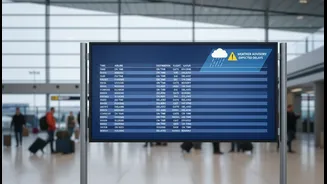
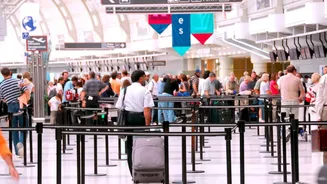
For stranded passengers, the biggest frustration after the delay itself is often the lack of clear, timely information. While the Directorate General of Civil Aviation (DGCA) has repeatedly issued standard operating procedures requiring airlines to publish real-time information on their websites and communicate with passengers via SMS or WhatsApp, the reality on the ground during a crisis can be different. Airlines are mandated to provide meals and refreshments for delays over two hours and offer options like refunds or alternate flights for longer delays. However, during weather-related 'force majeure' events, airlines are not required to pay cash compensation, though the duty of care (providing meals and accommodation for overnight delays) remains. The challenge is that during a chaotic event with multiple rolling delays, ground staff may be overwhelmed, and automated systems may struggle to keep up, leaving passengers staring at departure boards with inaccurate information and struggling to learn their rights.