




Understanding Salt vs. Sodium
First, let's clear up a common confusion. The words 'salt' and 'sodium' are often used interchangeably, but they aren't the same thing. Table salt is technically sodium chloride, which is about 40% sodium and 60% chloride. It's the sodium part that, in excess,
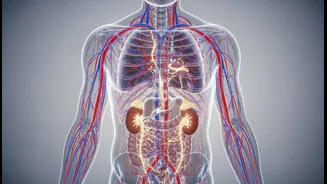
is linked to health problems like high blood pressure, heart disease, and kidney strain. While our bodies need a small amount of sodium—around 500 milligrams daily—to function properly, most people consume far more. The World Health Organization (WHO) recommends adults consume less than 2,000 mg of sodium per day, which is equivalent to about one teaspoon of salt. However, the average Indian adult consumes around double this amount.
The Sneaky Culprit: Processed Foods
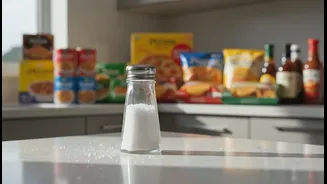
The vast majority of our sodium intake—often over 70%—doesn't come from the salt we add during cooking or at the table. It comes from processed, packaged, and restaurant foods. Manufacturers add sodium not just for flavour, but also as a preservative to extend shelf life and as a stabiliser to improve texture. This means that many foods that don't taste particularly salty can be packed with sodium. Being aware of these hidden sources is the first step toward taking control of your intake.
Surprise #1: Breads and Breakfast Cereals
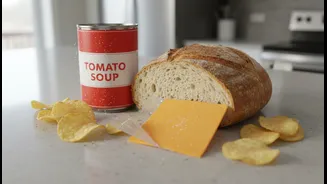
Your morning toast or bowl of cornflakes might be starting your day with a significant sodium hit. A single slice of bread can contain between 100 and 200 mg of sodium. That means a simple sandwich could have up to 400 mg of sodium before you even add any fillings. Many breakfast cereals, even seemingly healthy bran flakes, can contain over 200 mg of sodium per serving. Because we eat these items frequently, the sodium adds up quickly throughout the day.
Surprise #2: Sauces, Dressings, and Condiments
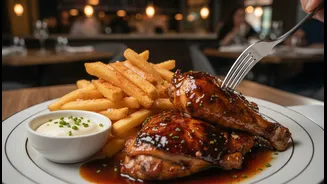
That ketchup on your fries or the soy sauce in your noodles is a major sodium bomb. Just one tablespoon of soy sauce can contain 900 mg of sodium or more. Ready-made pasta sauces, salad dressings, and common Indian chutneys are also surprisingly high in salt. For instance, just a tablespoon of a store-bought pickle can add 350-450 mg of sodium to your meal, while instant soup packets can contain a staggering 1,200 mg or more.
Surprise #3: Traditional Snacks and Street Food
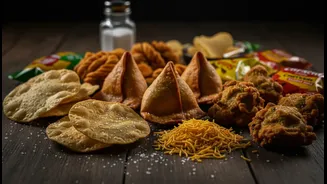
In India, many traditional snacks are significant sources of hidden salt. A single roasted papad can have over 300 mg of sodium. A small 50g serving of popular namkeens like bhujia or sev can easily pack 400-500 mg of sodium. Beloved street foods are also major contributors; a plate of pav bhaji or pani puri can deliver well over 1,000 mg of sodium, thanks to the combination of salty masalas, chutneys, and even the bread (pav).
How to Be a Sodium Detective
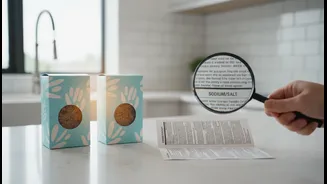
Reducing your sodium intake starts with awareness. The best tool you have is the Nutrition Facts label on packaged foods. Look for the sodium content listed in milligrams (mg) per serving. Pay close attention to the serving size; if you eat more than one serving, you have to multiply the sodium content accordingly. As a general rule, a product with 5% Daily Value (DV) or less of sodium per serving is considered low, while 20% DV or more is high. When you can, opt for fresh, minimally processed foods, as they are naturally low in sodium. Cooking at home more often gives you direct control over how much salt goes into your food. Instead of salt, experiment with herbs, spices, garlic, and lemon juice to add flavour.