






The Undeniable Allure of Ziro
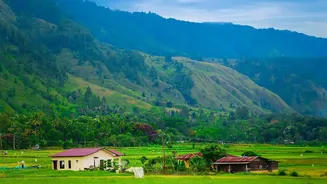
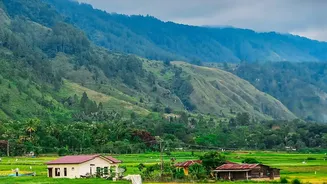
Ziro Valley is more than just a destination; it's a living cultural landscape. Home to the Apatani community, this lush plateau is famous for its stunning green rice paddies, dense bamboo groves, and pine-clad mountains. What makes it truly special is the harmony
between its people and nature. The Apatani tribe's centuries-old sustainable farming and forestry practices have earned the valley a place on UNESCO's Tentative List for World Heritage Sites. This unique blend of natural beauty and living heritage is what draws explorers seeking an experience that is both authentic and profound. Unlike typical tourist spots, Ziro offers a chance to slow down, connect with an ancient culture, and witness a way of life that has thrived in balance with the environment for generations.
Your First Step: The Inner Line Permit
Before you can immerse yourself in Ziro's wonders, there's a crucial first step: securing an Inner Line Permit (ILP). This mandatory document is required for all Indian citizens who are not residents of Arunachal Pradesh. The ILP system dates back to the colonial era, designed to protect the distinct cultures and lands of indigenous communities from unregulated outside influence. Applying is now a straightforward online process. You can visit the official Arunachal Pradesh e-ILP portal, fill in your details, upload a photograph and a valid ID like an Aadhaar card, and pay the fee. It's essential to list all the districts you plan to visit, including Ziro (in Lower Subansiri district), and your intended entry gate. Once approved, you'll receive a downloadable permit with a QR code that will be checked at the state border. Remember to carry both a printed copy and a digital version. Foreign nationals require a different document called a Protected Area Permit (PAP).
A Greener Stay: The Rise of Eco-Homestays
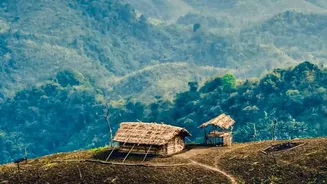
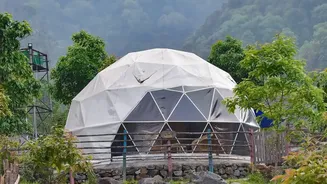
The spirit of responsible travel in Ziro is best experienced through its growing network of homestays. Young travellers are increasingly choosing these intimate accommodations over conventional hotels, and for good reason. These homestays, often run by local Apatani families, are built using traditional, eco-friendly materials like bamboo and wood. Staying in one offers a direct line to the local culture. Guests share meals made from fresh, organic produce grown in backyard gardens, learn about Apatani customs, and contribute directly to the local economy. Many of these homestays are committed to sustainable practices, such as rainwater harvesting and using solar power, minimizing the environmental footprint of tourism. This choice isn't just about finding a place to sleep; it's about fostering a genuine connection with the community and supporting a model of tourism that helps preserve the very culture you've come to experience.
Travel with Intent: A Guide to Mindful Exploration
Responsible tourism in Ziro goes beyond permits and accommodation. It's an attitude that you carry with you. A key practice is to hire local guides. Their knowledge of the terrain, culture, and stories provides a much richer experience and ensures you navigate the area respectfully. When interacting with the community, always be mindful. Ask for permission before taking photographs of people, especially elders. Engage in conversations with genuine curiosity and respect for their traditions. Another vital aspect is waste management. The valley's ecosystem is fragile, so adopt a 'pack-in, pack-out' mentality. Carry a reusable water bottle and avoid single-use plastics. Finally, support the local economy in meaningful ways. Buy intricate handloom textiles and bamboo crafts directly from the artisans who make them. These small, conscious choices collectively ensure that your visit has a positive impact, helping to sustain Ziro's unique environment and culture for future generations.