

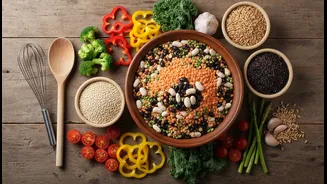

Why The Fiber-to-Protein Ratio Matters
The phrase "ideal dietary metrics" might sound complex, but the concept is simple and powerful. It's about the synergy between protein and fiber. Protein is essential for building and repairing tissues, while fiber is crucial for digestive health and regularity.
When consumed together, they work as a team. Fiber slows down digestion, which helps regulate blood sugar levels and promotes a longer-lasting feeling of fullness. This combination can prevent the energy spikes and crashes associated with high-carb meals, supporting steady energy throughout the day. A diet that balances both helps maintain a healthy gut microbiome, which is linked to everything from immunity to mood. Recent studies even suggest that the ratio of protein to fiber can be more important for gut health than just the total amount of fiber you consume.
A Snapshot of Popular Indian Lentils
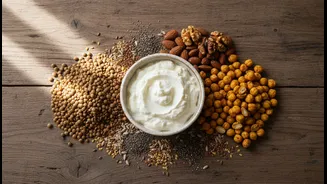
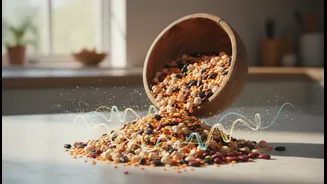
Indian kitchens are home to a diverse array of lentils and legumes, each with a unique nutritional profile. A single cup of cooked lentils provides a significant amount of your daily protein and fiber needs. For instance, 100 grams of cooked Toor Dal (pigeon peas) offers about 22 grams of protein. Urad Dal (black gram) is even higher, with around 25 grams of protein per 100g. Chana Dal (split chickpeas) provides about 20-22 grams of protein and is also rich in fiber. Masoor Dal (red lentils) is a quick-cooking option that's also packed with protein and fiber, making it an excellent choice for a healthy, fast meal. Understanding these general values can help you mix and match dals to create a balanced diet without needing to count every gram.
The Art of Smart Pairing
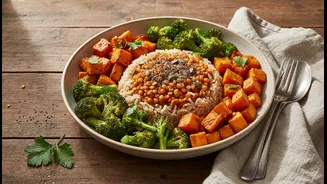
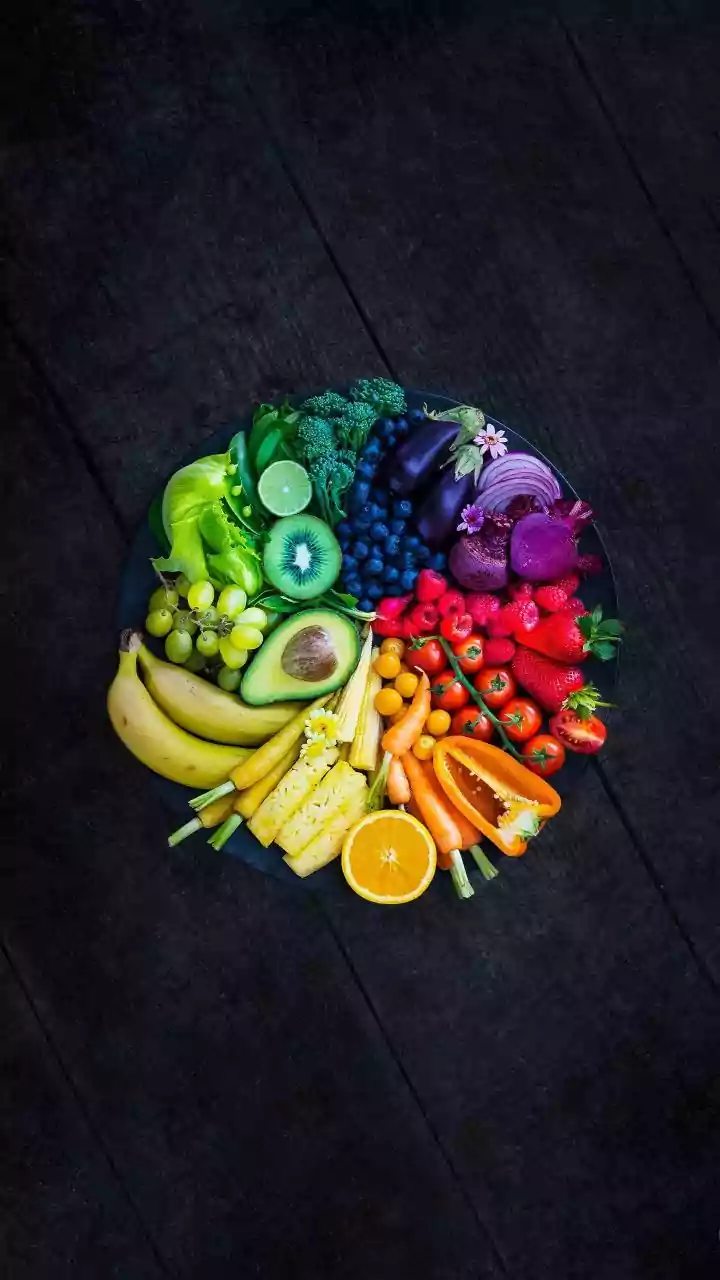
Most plant-based proteins, including many lentils, are considered 'incomplete,' meaning they don't contain all nine essential amino acids your body needs. However, Indian culinary traditions have masterfully solved this for centuries through smart pairing. Combining legumes with grains creates a complete protein profile. Think of the classic combinations: dal with rice, rajma with rice, or roti with a side of chana masala. The grains provide the amino acids that are lower in the lentils, and vice versa. To further boost your fiber intake, always pair your dal and grain with a generous portion of vegetables. This simple strategy ensures you're not only getting a complete protein but also a wide range of vitamins, minerals, and both soluble and insoluble fiber, which are vital for heart and digestive health.
Practical Tips for Your Daily Meals
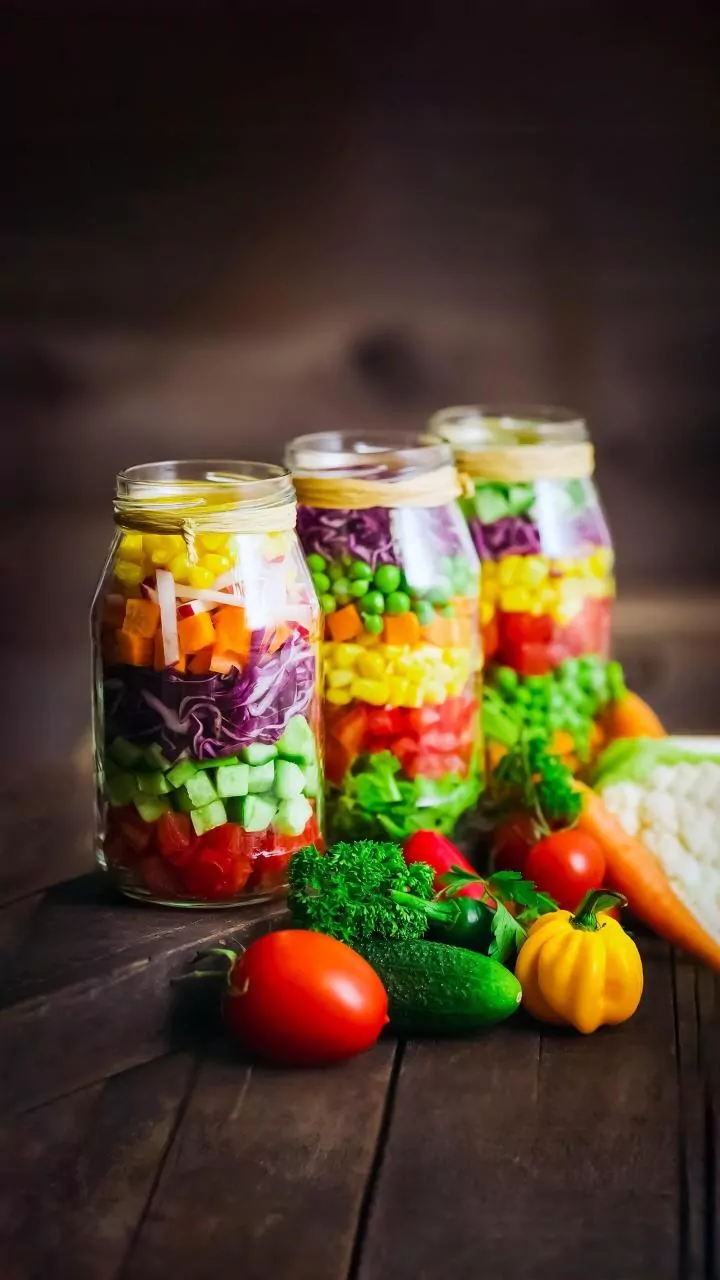
Incorporating this balance into your diet doesn't require a complete overhaul. Start with small, sustainable changes. Aim for variety; instead of sticking to just one type of dal, rotate through moong, masoor, chana, and urad throughout the week. Add sprouted legumes to salads or as a snack for an easily digestible boost of protein and nutrients. When making curries or stews, don't be shy with adding a mix of vegetables to increase the fiber content. For snacks, instead of reaching for processed options, consider a handful of roasted chana. A simple breakfast of moong dal chilla stuffed with paneer can provide a fantastic start to the day with a healthy dose of both protein and fiber.
Listen to Your Body
While lentils are incredibly healthy, a sudden increase in fiber can sometimes lead to bloating or gas. This is often a sign that your gut bacteria are adjusting. To minimise discomfort, introduce fiber-rich foods gradually. Soaking dried beans and lentils overnight and discarding the water can help remove some of the gas-producing compounds. Cooking them thoroughly until they are very soft also aids digestion. Adding digestive spices like cumin (jeera), asafoetida (hing), or ginger during cooking can also be very helpful. Ultimately, the 'ideal' balance is what makes you feel your best. Pay attention to your body's signals and adjust your portions and choices accordingly.